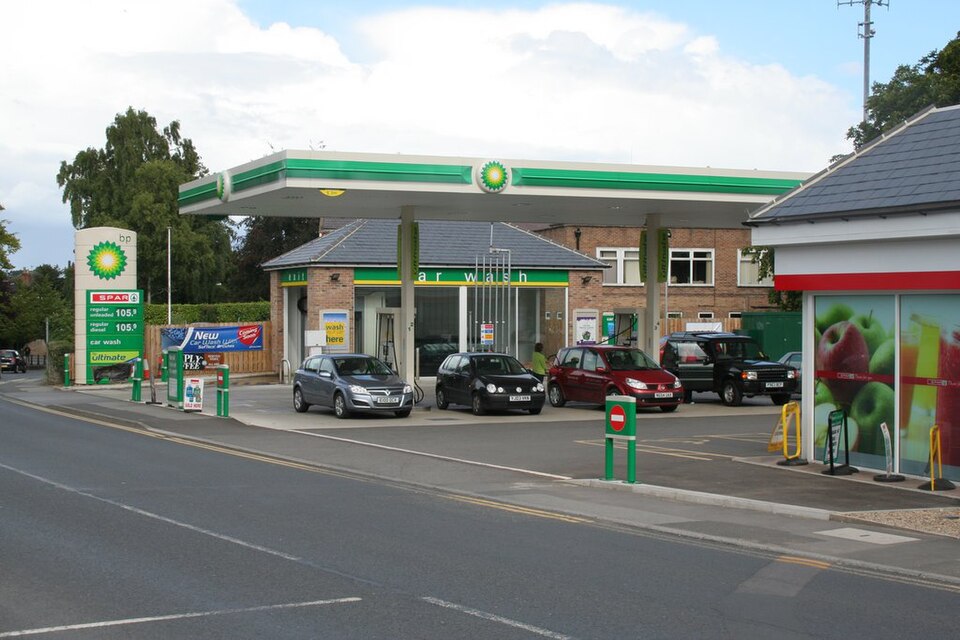
Diesel prices across the UK have climbed to a record high, adding to pressure on motorists, businesses and the wider economy as disruption linked to the conflict involving Iran continues
to reverberate through global energy markets.
The average price of diesel at UK forecourts reached 199.18 pence per litre on Monday, surpassing the previous record of 199.09 pence set in June 2022, according to motoring organisation RAC. The earlier peak came during the severe energy shock that followed Russia’s full-scale invasion of Ukraine.
Simon Williams, RAC head of policy, said the latest increase meant that filling an average family car with diesel now costs almost £110 — around £31 more than before the conflict began.
The surge is not limited to private motorists. Diesel is heavily used by freight operators, agriculture, construction and other industries, meaning sustained increases in fuel costs can feed through into the prices of goods and services.
Williams said motorists were unlikely to see significant relief unless crude oil prices remained lower for several weeks. He also called for government measures to reduce the pressure on households, including further cuts to fuel duty or VAT.
The latest fuel shock comes at a particularly difficult time for the UK economy. Energy and fuel costs are an important component of inflation, which reached a five-month high in August, increasing pressure on households already facing elevated living costs.
UK remains dependent on diesel imports
Despite the record at British pumps, diesel remains more expensive in a number of other European markets. RAC data for September 21 placed the UK and Italy joint seventh among 15 European countries monitored, with prices higher in the Netherlands, Denmark, Finland, Germany, Belgium and France.
The broader international diesel market has also been under strain. Refining capacity has declined in several regions, while conflicts in the Middle East and Ukraine have disrupted supplies and increased uncertainty over future availability.
Diesel prices rose further last week after US President Donald Trump indicated support for a possible restriction on US diesel exports. Any reduction in American supplies could put additional pressure on fuel-importing countries in Europe, including the UK, as refiners and traders seek alternative sources.
The UK's dependence on imports makes the country particularly exposed to developments in international fuel markets. Britain currently has four operational oil refineries, with combined crude-processing capacity of about 1 million barrels a day, compared with roughly 1.27 million barrels across six facilities in 2024. Two refineries closed last year.
According to the latest Digest of UK Energy Statistics, diesel imports accounted for almost 40% of the UK's total oil-product imports in 2025, with the United States supplying around 31% of those imports. Overall, Britain imports close to 55% of the diesel it consumes.
That combination of reduced domestic refining capacity and heavy reliance on overseas supplies leaves UK consumers vulnerable to further movements in global oil and refined-fuel markets. Photo by Mark Anderson, Wikimedia commons.