City Hall brings together community leaders, artists, young Londoners and historians to honour those affected by the transatlantic slave trade and celebrate the strength of African and
Caribbean communities.
City Hall hosted the Mayor of London’s annual commemoration of UNESCO’s International Day for the Remembrance of the Transatlantic Slave Trade and its Abolition, bringing together Londoners from across the capital to remember the millions of people whose lives were devastated by the slave trade and to reflect on its enduring legacy.
Now in its ninth year, the annual ceremony combined remembrance with a celebration of the cultural contribution, resilience and achievements of London’s African and Caribbean communities. Speakers, performers, historians and young people explored how the legacy of slavery continues to shape society and why remembering the past remains essential to building a fairer future.
This year’s theme, “Justice in Action: Shaping Future Narratives, Joy as an Act of Resistance,” placed particular emphasis on moving beyond commemoration towards meaningful action. It also highlighted joy, creativity and cultural expression as powerful ways for communities to challenge historical injustice, reclaim their narratives and ensure that overlooked histories are heard.
The event was jointly chaired by Zara Chambers of the Violent Reduction Unit and Aisha Sanusi, co-founder and CEO of the African Caribbean Education Network.
The programme opened with an address from Professor Matthew J. Smith, Professor of Caribbean History and Director of the Centre for the Study of the Legacies of British Slavery at University College London. The evening also featured a performance by the London African Gospel Choir, a poem by educator and writer Amma Amofaah-Ofosu, and affirmations delivered by members of the London Youth Assembly.
A minute’s silence provided an opportunity for attendees to reflect on the lives and experiences of those who suffered under the transatlantic slave trade.
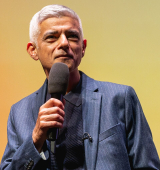
The ceremony also included contributions from Dr Debbie Weekes-Bernard, Deputy Mayor for Communities and Social Justice, and Andrew Boff AM, Chair of the London Assembly, alongside a message from Mayor of London Sadiq Khan.
The commemoration comes as the Mayor continues to place greater emphasis on strengthening London’s links with Africa and recognising the historical connections between the capital, the Caribbean and the African continent.
Last year, Sadiq Khan became the first Mayor of London to lead an official trade mission to Africa. During the visit to Ghana, he travelled to Osu Castle, a historic site associated with the transatlantic slave trade, and saw the so-called “door of no return”, through which enslaved Africans were taken before being transported across the Atlantic.
The Mayor subsequently announced plans for the first memorial in a proposed international network dedicated to the victims of transatlantic slavery in Ghana.
In London, he has also continued to back efforts to establish the capital’s first permanent memorial to the victims of transatlantic slavery. The Wake, created by artist Khaleb Brooks, is proposed for West India Quay in London’s Docklands, an area closely connected to the history of Britain’s involvement in the transatlantic slave economy.
The annual City Hall ceremony underlines London’s continuing commitment to confronting the history of slavery, recognising its lasting consequences and ensuring that the experiences of those affected are reflected in the city’s understanding of its past and its vision for the future.
For the Mayor of London, the commemoration is not only an opportunity to remember history, but also a reminder that greater understanding, representation and action are needed to address the inequalities and legacies that continue to shape communities today.
Deputy Mayor for Communities & Social Justice, Dr Debbie Weekes-Bernard, said: “This annual ceremony is an important opportunity to remember and honour the millions of men, women and children whose lives were brutally impacted by the transatlantic slave trade. It is a chance to honour those who resisted and fought for justice and remember its long-lasting impact. It is an uncomfortable truth that London played a key role in the slave trade, and we cannot build a fairer future unless we first have an honest reading of our past. That is why we are delivering the capital’s first permanent memorial to the victims of transatlantic slavery, and why we continue our work to stamp out racism, as we build a better, fairer London for everyone.”
Photo by Richard Munckton, Wikimedia commons.