Oasis are extending their long-awaited comeback with an ambitious 38-date tour scheduled for 2027, taking the iconic Britpop group across the UK, Ireland, continental Europe and the
United States.
The announcement, made on Monday, comes after the Gallagher brothers’ highly anticipated reunion reignited worldwide interest in one of Britain’s most influential rock bands. The 2027 concerts are also expected to attract enormous demand, with organisers introducing a registration system designed to give fans a more orderly opportunity to purchase tickets.
Unlike the chaotic ticket sales surrounding the group’s 2025 comeback, promoters say standard ticket prices for the new tour will be fixed. Prices will range from £71.50 ($96.50) to £266.60, depending on the ticket category and venue.
Oasis announced the tour in typically flamboyant fashion, telling fans to “start the celebrations” and promising that the band would “once again return to lift the spirits of the people”.
The announcement added: “Come witness the fitness. It shall be a sight to behold.”
From Glasgow to Knebworth
The tour will begin in Glasgow in May 2027, where Oasis will perform five shows before travelling south to Manchester, the city where the band was formed.
The group is scheduled to play 11 concerts at Manchester’s Etihad Stadium, making the homecoming one of the most significant stretches of the tour.
The European leg will then take Oasis to major cities including Munich, Barcelona, Amsterdam, Paris and Rome, before the band crosses the Atlantic for performances in the United States, including shows in Boston and Las Vegas.
The itinerary will also include a major concert at Slane Castle in Ireland.
Oasis will bring the tour to a close in September with four performances at Knebworth in southern England. The venue holds particular significance for the band and its fans: Oasis played two historic concerts there in August 1996, attracting a combined audience of around 250,000 people.
A comeback that revived Britpop nostalgia
Oasis emerged as the defining guitar band of the 1990s Britpop movement. Their 1994 debut album, Definitely Maybe, immediately established them as one of Britain's most important new rock acts.
Their second album, (What's the Story) Morning Glory?, released the following year, became an enormous commercial success and went on to become the decade's best-selling album in Britain.
Songs including “Wonderwall” and “Don't Look Back in Anger” subsequently became cultural landmarks, helping transform Oasis from a Manchester rock group into a global phenomenon.
But the band's success was accompanied by a turbulent relationship between brothers Noel Gallagher, the principal songwriter and guitarist, and Liam Gallagher, the group's distinctive lead vocalist.
Their increasingly bitter disputes eventually resulted in Oasis breaking up in 2009, ending one of the most successful chapters in British rock music.
Ticket chaos returns as organisers seek a different approach
When news broke in 2024 that Noel and Liam Gallagher were putting their differences aside, demand for tickets reached extraordinary levels.
The initial ticket sale became controversial after thousands of fans spent hours in online queues, only to discover that ticket prices had increased substantially by the time they reached the purchasing stage. The episode triggered widespread criticism and renewed debate over dynamic pricing in the live music industry.
Organisers are now attempting to avoid a repeat of that experience. Fans hoping to attend the 2027 shows will first have to register for access to a designated ticket-buying window.
The fixed-price structure is also intended to provide greater certainty for fans before they enter the purchasing process.
Reunion proves Oasis still have the magic
Despite the years apart — and the notoriously fractious relationship between the Gallagher brothers — Oasis' return to the stage has been warmly received.
The band's comeback performances, beginning in Cardiff, generated an overwhelmingly enthusiastic response from audiences. Critics also praised the concerts, with many concluding that the reunited group had retained much of the power and energy that made Oasis one of Britain's biggest live acts.
The renewed interest has extended beyond the concert stage. A documentary chronicling the reunion tour, ‘Oasis: Don't Look Back in Anger ‘, was screened at the Venice Film Festival earlier in September.
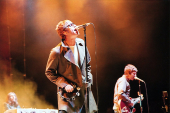
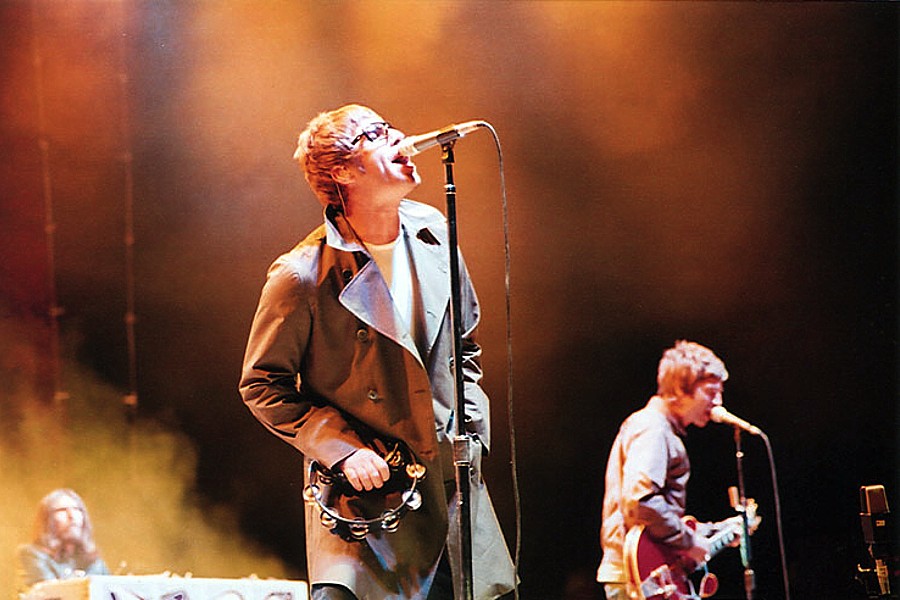
With another extensive international tour now confirmed, Oasis are showing that their appeal has survived more than a decade and a half of separation. For millions of fans who grew up with Britpop — and a new generation discovering the band's music — 2027 promises another major chapter in the Oasis story. Photo by Will Fresch, Wikimedia commons.