A decade of policies introduced under Mayor Sadiq Khan has significantly changed how children travel to school, with new Transport for London figures showing a sharp fall in school
journeys made by car and a substantial increase in walking, cycling and other forms of active travel.
The latest figures show that London recorded an average of 73,915 fewer car journeys to school every day in 2024/25 than in 2015/16, bringing car travel on the school run to its lowest level in a decade.
TfL data shows the number of journeys to school made by car fell by 16 per cent, from approximately 461,000 a day in 2015/16 to 387,000 in 2024/25.
At the same time, active travel has become the dominant way for primary school children to get to school. In 2024/25, 66 per cent of primary school-aged children travelled by walking, cycling, scooting or other active modes.
The figures provide a significant boost for the Mayor, who has made reducing car dependency, improving road safety and encouraging active travel central elements of his transport and environmental agenda.
School Streets become a fixture of London life
One of the most visible changes has been the rapid expansion of the School Streets programme.
School Streets restrict motor traffic outside participating schools during the busiest drop-off and pick-up periods, creating a safer environment for children and encouraging families to leave the car at home.
There were no School Streets when Khan became Mayor in 2016. Today, London has more than 870, with the Mayor aiming to expand the programme further so that 1,000 schools across the capital can benefit.
The programme is also being linked to improvements in local air quality. Monitoring by Breathe London has found that School Streets can cut nitrogen dioxide concentrations by up to 23 per cent during morning drop-off periods, potentially reducing children's exposure to harmful traffic pollution.
The expansion is expected to form part of the Mayor's wider Walking and Wheeling Action Plan, which seeks to make walking, cycling and other forms of active travel safer and more accessible across the capital.
Thousands more children learning to cycle
The shift away from cars has been accompanied by investment in children's cycling and independent travel.
TfL's free Bikeability programme provided cycle training to 196,688 children between 2021/22 and 2025/26, giving pupils practical skills to cycle safely and build confidence on London's streets.
Cycling infrastructure around schools has also expanded. More than 90 per cent of London schools now provide scooter and/or cycle parking, making it easier for children to use active forms of transport.
TfL's Travel for Life programme has expanded to almost half of all London schools. More than half a million children are now involved in activities covering active travel, road safety and air quality.
The programme is also producing measurable changes in travel behaviour. Around one-third of participating schools have achieved a six per cent shift away from car travel, while TfL has trained almost 100,000 children aged 10 to 11 to prepare them for travelling more independently.
Cleaner schools and lower energy bills
The Mayor's environmental programme extends beyond the journey to and from school.
Through the Greener Schools programme, more than 40 schools across London have received support to introduce measures including solar panels and energy-efficient LED lighting.
Collectively, the projects are estimated to save schools around 470 tonnes of carbon emissions each year, equivalent to eliminating more than 330 return flights between London and New York.
The participating schools are also saving a combined £510,000 a year on energy bills, potentially freeing up money that can instead be spent on teaching, facilities and other priorities.
ULEZ linked to improvements in children's lung health
The Mayor's transport policies have also increasingly focused on the health consequences of London's air pollution.
Research from Queen Mary University of London has found evidence that the expansion of the Ultra Low Emission Zone (ULEZ) has been associated with improvements in children's lung growth and respiratory health.
The study compared children's lung health before and after the introduction of ULEZ and found that the proportion of London children with clinically impaired lung function fell from 14 per cent to 9 per cent.
Researchers also found that the gap in lung function between children in London and those living outside the capital had almost disappeared five years after the policy was introduced.
The findings add to the political argument that measures aimed at reducing vehicle emissions can have benefits extending well beyond transport, particularly for children who are more vulnerable to the effects of polluted air.
Road safety remains a central priority
The transformation of the school run is also taking place alongside the Mayor's Vision Zero programme, which aims to eliminate deaths and serious injuries on London's roads.
According to City Hall, more than 250 deaths have been prevented since 2015 through measures introduced with Vision Zero partners.
The Mayor's updated Vision Zero Action Plan sets out 43 further measures, including safer speed limits, redesigned high streets, stronger enforcement and greater use of technology.
The programme also includes longer-term commitments directly relevant to pedestrians and school journeys. These include trials of zebra crossings on side roads by 2028, extending School Streets to secondary schools and delivering 1,000 new zebra or signalised pedestrian crossings by 2031.
Together, the measures represent a broader attempt to reshape London's streets around pedestrians and cyclists rather than private vehicles.
A decade of changing habits
The latest school travel figures suggest that London's transport habits have shifted considerably since 2016.
For the Mayor, the decline in school-related car journeys provides evidence that sustained investment in infrastructure, road safety, cycling education and environmental policies can influence how families travel.
The challenge now is to maintain that momentum as London seeks to reduce traffic, improve air quality and make active travel a realistic option for more children and parents.
With almost 900 School Streets already operating, two-thirds of primary-age children travelling actively and car journeys at a ten-year low, City Hall is presenting the school run as one of the clearest examples of how London's transport landscape has changed during Khan's decade in office.
The next phase of the programme will focus on extending those changes to more schools and neighbourhoods, with the Mayor pledging to make walking, wheeling and cycling safer and easier for Londoners of all ages.
The Mayor of London, Sadiq Khan, said: “Whether it’s walking or wheeling, active travel is excellent for children’s physical and mental health, increasing their confidence and helping them focus in the classroom – and fewer cars on the road also means less air pollution in their lungs.
In the past ten years I’ve prioritised making it easier and safer for children to walk, cycle, scoot and wheel safely and independently, and these figures show my policies are working, with more young Londoners than ever reaping the benefits of active travel.
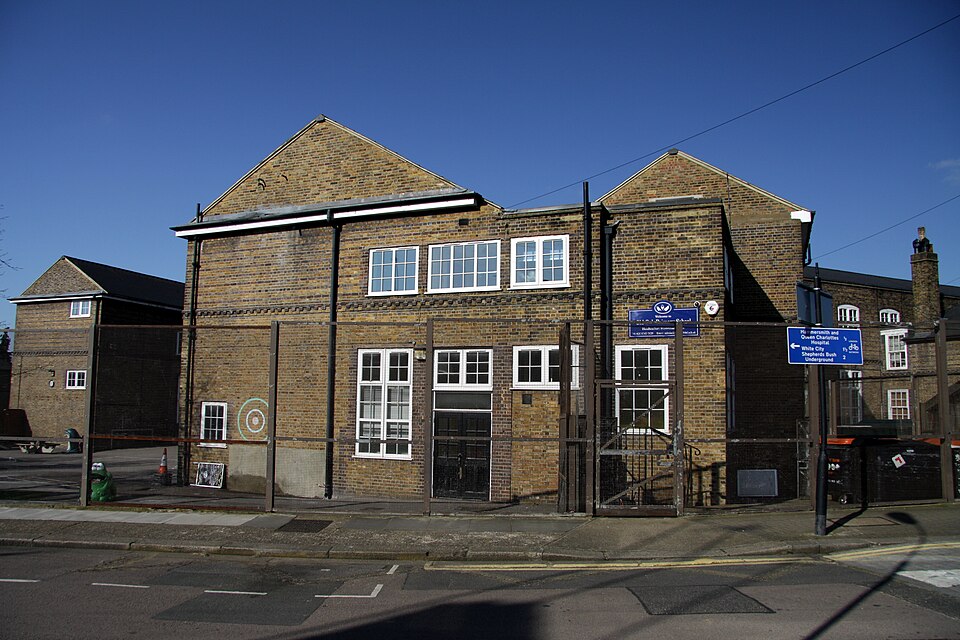
But we’re not complacent. I remain committed to building on our progress and making it safer, easier and more enjoyable for even more Londoners to get around the capital on foot or by bike. This is vital not just for our health, but also for our environment and our children’s futures, as we continue building a greener and better London for everyone.” Photo by Chmee2, Wikimedia commons.