Britain’s battered music festival industry is showing tentative signs of recovery, with several major events selling out faster than expected as organisers reshape their offer around
premium experiences and payment plans designed to ease the cost for audiences.
From large-scale events drawing tens of thousands of people to independent festivals built around niche music and culture, organisers say demand has strengthened during the 2026 season. But behind the sell-outs lies a sector still under considerable financial pressure, with dozens of festivals cancelled and smaller operators struggling with higher production, staffing and artist costs.
The recovery is significant for Britain’s wider live music economy. UK Music estimates that the sector contributed around £8 billion to the British economy in 2024.
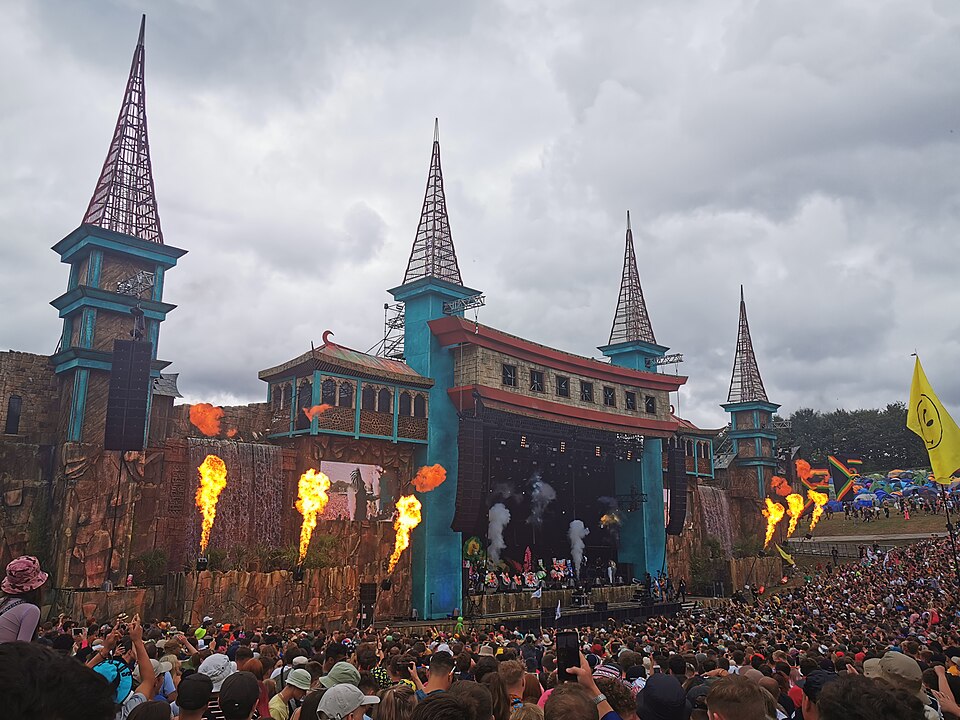
Among the strongest performers this summer is Boomtown, which sold out at record speed. Download, with a capacity of about 80,000 and headlined this year by Linkin Park, also sold out rapidly, as did the jazz-oriented We Out Here, the Isle of Wight Festival and End of the Road.
Shambala and Womad have likewise reported stronger early sales than in recent years.
The absence of Glastonbury — which is taking its scheduled fallow year in 2026 — may have altered the festival market. Some organisers believe the gap has redirected audiences towards other events, although others argue that Glastonbury's presence normally helps generate wider enthusiasm for festivals across the country.
John Rostron, chief executive of the Association of Independent Festivals, said the industry was beginning to emerge from several years of disruption caused by the pandemic, Brexit and the cost-of-living crisis.
Weather has also played its part.
Festival-goers, Rostron noted, have increasingly been planning for sunshine, water and shade rather than the traditional British combination of mud, rain and wellington boots.
But the apparent recovery should not be mistaken for a return to the industry's pre-pandemic strength.
The Association of Independent Festivals says 36 events have already been cancelled in 2026. That would nevertheless represent an improvement on the 43 cancellations recorded in 2025 and the 78 in 2024.
The scale of the contraction becomes clearer when compared with the industry's peak. Britain had an estimated 800 to 900 festivals in 2018 and 2019. By 2025, the number had fallen to 592 as operating costs increased and competition for audiences intensified.
A festival is becoming a premium experience
For those festivals that have survived, the strategy is increasingly about offering something beyond music.
Glamping, wellness programmes, upgraded accommodation, better facilities, food, cultural events and other extras are being used to persuade consumers that a festival remains worth the money — even as household budgets remain under pressure.
Toby Gwazdacz, managing director of Boomtown, said audiences were becoming more selective about where they spent their disposable income.
“If they're going to go to a festival this summer, they want it to be the very best,” he said.
That shift is visible in ticket prices.
A ticket for a major multi-day camping festival can now cost between roughly £200 and £380, before travel, food and other spending are added. For many families and groups, the total cost of a festival weekend can therefore exceed £800.
At Reading and Leeds, tickets for 2026 can reach £361 — substantially above the roughly £230 price seen in 2019.
Premium packages take the festival experience into another financial bracket. Luxury bell tents with beds and other VIP facilities can add more than £500 per person.
Independent organisers are responding by expanding what happens away from the main stages.
Shambala co-founder Chris Johnson said his festival was investing more heavily in poetry, talks and other non-musical programming, while introducing a luxury camping area.
The offer includes upgraded toilets, a pamper area, 24-hour reception services, charging facilities and Wi-Fi.
For festival operators, the message is increasingly clear: audiences are not simply buying a concert ticket. They are buying a short holiday.
Payment plans become central to the market
The other major change is how customers pay.
Payment plans have become an increasingly important tool for festivals trying to make expensive tickets manageable for audiences.
Ticketing company Kaboodle estimates that about 45% of tickets for Britain's camping festivals are typically purchased through payment plans on its platform. Tiered pricing — allowing customers to buy at different stages and price points — has also become standard across much of the industry.
At London's Mighty Hoopla, the effect is even more pronounced.
Jamie Tagg, the festival's co-founder and director, estimates that about 70% of customers use payment plans. Group tickets, which reduce the per-person cost, have also proved popular.
For organisers, spreading the cost can make the difference between a potential customer postponing a purchase and committing to a festival months in advance.
The secondary market is also becoming increasingly important.
Matt Kaplan, European head of ticket resale platform Tixel, expects 2026 to be the company's strongest year for festival resales. Glastonbury's absence, with its usual audience of around 200,000, may have contributed to additional demand elsewhere.
Brexit remains a problem
Yet the festival industry's recovery remains fragile.
Womad festival director Chris Smith said Brexit continues to create practical difficulties, particularly over the movement of international artists.
At one point, he said, 15 artists scheduled to appear at the main Womad festival in England were still waiting for visas only four weeks before the event.
The financial environment is equally difficult.
Womad cancelled its inaugural Glasgow edition after disappointing ticket sales, while Heritage Live cancelled three festivals in July.
The independent sector has also raised concerns about competition from major entertainment companies, which have acquired stakes in a growing number of prominent British festivals.
Mighty Hoopla and Boomtown are among the events that have attracted major corporate investment. Large companies now have ownership interests in many of Britain's biggest festivals, including the Isle of Wight, Reading and Leeds and Download.
Independent organisers argue that the financial muscle of multinational entertainment groups can push up the cost of artists, suppliers and staff.
But Boomtown's management takes a different view, arguing that outside investment can provide the capital needed to stabilise a festival and allow it to expand.
That tension is likely to define the next phase of Britain's festival market.
The 2026 season suggests that audiences have not abandoned festivals. They are still willing to spend heavily on live music, provided they believe they are getting a distinctive experience — and increasingly, they want the option to pay for it over time.
For Britain's festival industry, that amounts to a revival. But it is a revival with a warning attached: the market may be recovering, yet the era of cheap tickets, easy expansion and financial resilience is unlikely to return. Photo by Sam Warrenger / TheFestivals.UK, Wikimedia commons.