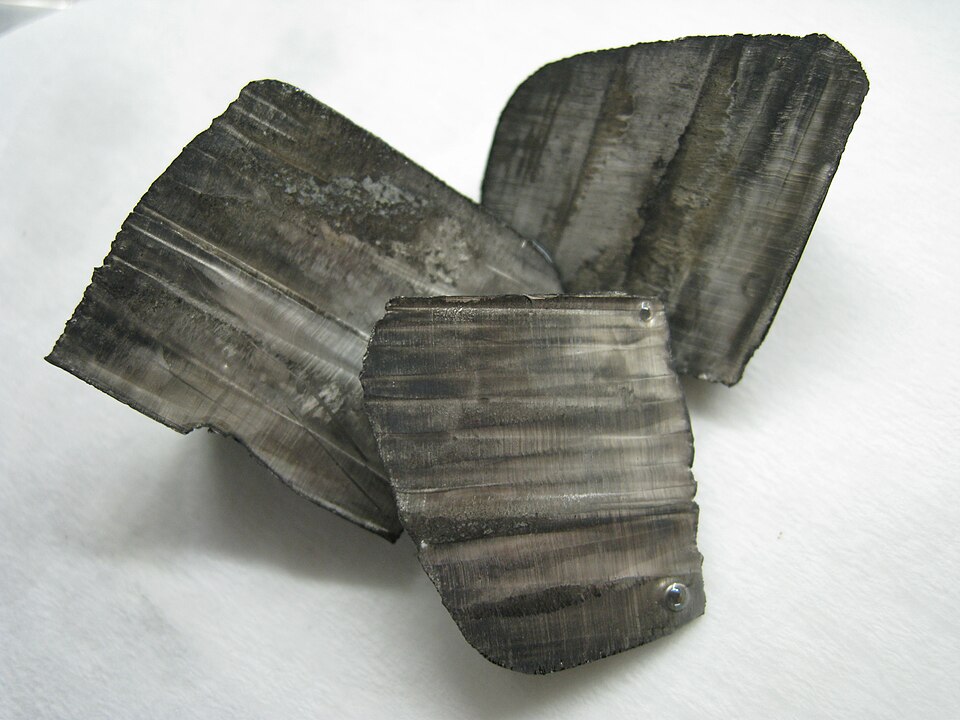
Britain is moving to expand domestic production of lithium, with a new extraction project in Cornwall expected to strengthen supply chains for electric vehicles, clean energy and advanced
manufacturing while creating more than 100 jobs.
Geothermal Engineering Limited (GEL) plans to invest approximately £43 million in a lithium extraction facility in Cornwall. The project has received an Offer in Principle for almost £10 million in government support through the DRIVE35 programme, subject to due diligence and final approval.
The development is part of a wider government effort to reduce the UK’s dependence on imported critical minerals and establish more resilient domestic supply chains. Lithium is a key component of batteries used in electric vehicles, making secure access to the mineral increasingly important as Britain expands its zero-emission vehicle industry.
The government estimates that global demand for lithium could rise by around 1,100% by 2035. Against this backdrop, officials say developing domestic resources could provide greater security for manufacturers while encouraging investment in mining, processing and related technologies.
Cornwall prepares for a new era of mining
The project is also being presented as a modern continuation of Cornwall’s long mining tradition. Rather than relying on conventional open-pit or underground mining, GEL intends to extract lithium from geothermal brine deep beneath the ground.
Commercial production is currently planned for 2029. Once operational, the facility is expected to produce approximately 1,500 tonnes of technical-grade lithium carbonate annually, with the company estimating that this volume could provide enough material for more than 180,000 typical electric vehicle batteries.
GEL says the operation could eventually be expanded to produce tens of thousands of tonnes of lithium a year, potentially creating a much larger domestic source of the mineral.
The company expects the project itself to generate nearly 50 direct jobs, while supporting around 80 additional positions throughout its supply chain.
GEL CEO Dr Ryan Law said the project could help establish the foundations of a domestic British lithium industry by combining Cornwall’s natural resources with new extraction technology and specialist expertise.
The company argues that producing lithium within the UK would give manufacturers greater control over an increasingly important raw material while generating investment and employment in Cornwall.
Government seeks to strengthen EV supply chains
The Cornwall development forms part of a broader programme aimed at securing Britain's position in the transition to electric vehicles.
The government has also backed a £185 million investment by Tees Valley Lithium to establish a large-scale lithium refinery in Teesside. That project has received an Offer in Principle for £18.3 million through DRIVE35.
Together, the two projects represent almost £230 million of private investment in lithium extraction and processing in Cornwall and Teesside.
The government says the investments will help connect domestic mineral production with the wider battery manufacturing and automotive industries, reducing exposure to disruptions in international supply chains.
Business Secretary Jonathan Reynolds described Cornwall's mining heritage as a foundation for developing a new generation of industrial activity, arguing that the latest investment demonstrates the government's ambition to combine innovation with domestic production.
The announcement follows more than £1 billion of automotive investment secured in Britain during September, including commitments involving Bentley, McLaren and Nissan.
Reducing dependence on concentrated global supply chains
The lithium projects are also linked to Britain's wider critical minerals strategy. Lithium production and processing are currently concentrated in a relatively small number of countries, leaving manufacturers exposed to geopolitical, logistical and market risks.
Julian Hetherington, Automotive Transformation & Engagement Director at the Advanced Propulsion Centre UK and Zenzic, said increasing domestic lithium production could diversify supply and reduce dependence on internationally concentrated processing networks.
He also pointed to the potential economic impact in Cornwall, where a growing materials and technology cluster could benefit from the development of new extraction and processing capabilities.
The government says support for lithium projects is part of its broader Modern Industrial Strategy, which aims to attract private investment into sectors considered strategically important to Britain's future economic resilience.
DRIVE35, the government's flagship automotive programme, provides up to £4 billion through 2035 in capital and research funding. It is designed to attract private investment and accelerate the development of technologies needed for the transition to zero-emission vehicles.
Additional government-backed research has involved companies including Cornish Lithium, Watercycle Technologies, Weardale Lithium and Northern Lithium, with projects focused on improving extraction methods and bringing domestic lithium production closer to commercial scale.
If the Cornwall facility reaches production as planned in 2029, it will represent an important test of whether Britain's domestic geothermal resources can be converted into a commercially viable source of battery-grade raw materials. Photo by Dnn87, Wikimedia commons.