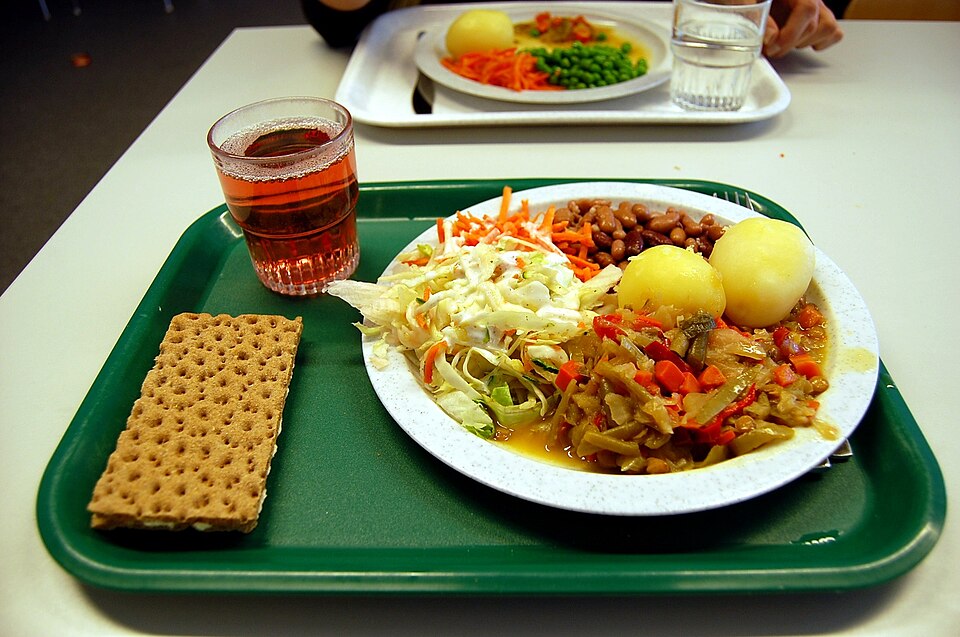
Millions of children will gain access to free school meals this term as the government rolls out a wider package aimed at cutting the cost of sending children to school.
Families across England are being offered additional financial support as the new school year begins, with measures covering school meals, breakfast clubs, childcare and uniform costs designed to reduce the growing pressure on household budgets.
From September, more than three million children in households receiving Universal Credit will qualify for free school meals. The government says the expansion is part of a broader strategy to tackle child poverty and could contribute to lifting more than half a million children out of poverty over the course of the parliament.
The changes come at a time when many households continue to face significant financial pressures. New research cited by the government suggests that parents are frequently cutting back on everyday spending to make their budgets last through the school term. Around one in three are reportedly reducing purchases of treats and snacks or preparing meals in bulk, while roughly one in ten have sought assistance from food banks or community organisations.
The government estimates that families benefiting from a combination of free school meals, breakfast clubs and lower uniform costs could save as much as £1,200 a year. Working parents who qualify for government-funded childcare could potentially save considerably more, with annual savings of up to £8,000.
Education Secretary Lucy Powell said the beginning of the academic year can place an especially heavy burden on parents, with expenses ranging from uniforms and lunches to childcare and transport.
She said the new measures were intended to give families greater financial room while allowing parents to concentrate on their children's education and wellbeing.
The expansion of support has also received backing from parents. More than 80% of those surveyed said measures including free school meals, breakfast clubs and childcare assistance could make a meaningful difference to household finances.
Thousands more children to benefit from breakfast clubs
A key part of the package is the opening of 1,400 new free breakfast clubs from September.
The clubs will provide children with a healthy meal before lessons begin, while potentially reducing the cost of morning childcare for working parents. They are also intended to make school mornings easier for families struggling to balance work and childcare commitments.
The government argues that providing children with food before the school day can have benefits beyond household finances. Children who arrive at school hungry may find it harder to concentrate and participate fully in lessons, potentially affecting their educational progress and wellbeing.
Nick Harrison, chief executive of the Sutton Trust, said the measures represented an important step towards reducing hunger in classrooms.
He argued that extending free school meals to all children in Universal Credit households should also make the system easier for parents to understand and could encourage more eligible families to claim the support.
However, he stressed that the measures alone would not eliminate child poverty, describing them instead as a meaningful improvement in living standards for many families.
More school-based childcare places
The government is also expanding childcare provision, with 9,000 additional places due to become available from September 2026.
Around 450 new or expanded school-based nurseries are expected to form part of the programme. Locating childcare closer to schools could help parents avoid expensive and time-consuming multiple drop-offs during the morning commute.
The government says access to high-quality early-years provision can also contribute to children's development and school readiness, helping young pupils develop social, emotional and learning skills before and during their transition into formal education.
Uniform costs also targeted
School uniforms are another area where families are expected to see savings. The government is introducing measures to limit the amount of branded uniform items schools can require, potentially giving parents greater flexibility to buy lower-cost alternatives.
For households with several school-age children, uniform expenses can represent a substantial annual bill, particularly when schools require specific branded garments that are available from only a limited number of suppliers.
The government says reducing these requirements should increase competition and allow parents to shop around for cheaper options.
Wider cost-of-living measures
The school-related initiatives form part of a broader programme aimed at reducing essential household expenses.
Other measures highlighted by the government include support for transport costs through capped bus fares and assistance with household energy bills. Ministers argue that reducing these recurring expenses can give families more room in their budgets to cover food, housing and other necessities.
The government is also preparing to introduce updated school food standards. New requirements are expected to be published by the end of September, marking the first major overhaul of school food standards in more than a decade.
The changes are intended to ensure that meals provided in schools are nutritious as well as affordable, with the government positioning healthy food as an important part of improving children's ability to learn and thrive.
Taken together, ministers say the measures are designed to reduce some of the financial pressures associated with raising school-age children. For families already struggling with rising everyday costs, the combination of free meals, breakfast provision, childcare support and lower uniform expenses could provide a significant reduction in the cost of the school year. Photo by Casey Lehman from Häljarp, Sweden, Wikimedia commons.