Students and staff at universities across England are set to receive stronger protections against extremism, harassment and intimidation under new measures
announced by the UK government. The reforms are designed to help universities respond to rising tensions on campuses while safeguarding open debate and academic freedom.
The plans focus on strengthening how universities meet their obligations under the Prevent duty, which requires higher education institutions to take steps to stop individuals from being radicalised or drawn into terrorism.
Tougher monitoring of universities
Under the new approach, the Office for Students will intensify its monitoring of universities to ensure they are properly fulfilling their Prevent responsibilities.
The regulator will review how institutions manage risks linked to extremist activity and intervene where serious concerns arise. Universities that fail to meet their legal duties could face sanctions, and in extreme cases may be removed from the regulator’s register — effectively losing their ability to operate as recognised providers.
Clearer guidance on speakers and events
The government will also issue updated guidance to help universities manage external speakers and campus events responsibly. Institutions will be expected to carry out appropriate risk assessments where discussions could cross the line from free speech into unlawful activity or support for terrorism.
The aim, officials say, is to protect open academic debate while preventing campuses from becoming platforms for extremist rhetoric.
New whistleblowing channel for staff
Another part of the reforms will allow university staff to report wrongdoing directly to the regulator.
The government plans to designate the Office for Students as an official whistleblowing body for registered higher education providers. This would give employees a confidential route to raise concerns if they feel unable to report problems internally.
Students to help shape new campus charter
Ministers also intend to work with students to create a Campus Cohesion Charter, which will set clearer expectations for respectful behaviour, conduct and shared values across university life.
The charter will form part of the government’s broader Social Cohesion Action Plan, aimed at strengthening resilience against extremism and promoting unity across communities.
Universities on the front line
Education Secretary Bridget Phillipson said: “Universities often reflect the wider tensions playing out across our society. When conflicts or global events dominate the headlines, those debates and emotions can quickly be felt on campuses across the UK.
We know our institutions work incredibly hard to support their students and uphold the law, but it is vital they can continue a zero-tolerance approach to those who incite hatred or draw students into terrorism.
We will work closely with universities to ensure students and staff feel safe and supported, while protecting the open debate and academic freedom that are central to university life”.
Rising pressure on universities
The government’s announcement comes amid growing concerns about extremist rhetoric and hate incidents in higher education.
Recent figures show referrals under the Prevent programme have increased by more than 25% over the past year. Officials say the rise reflects both heightened risks and improved efforts to identify people who may be vulnerable to radicalisation.
Balancing safety and free speech
Universities often find themselves balancing competing pressures — protecting students from harassment or intimidation while defending freedom of speech and academic discussion.
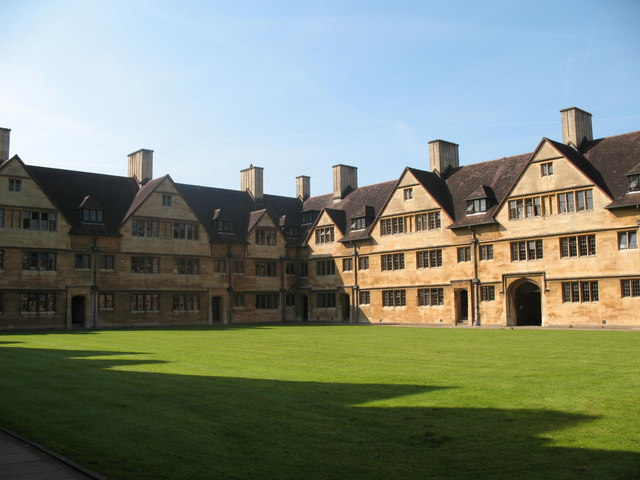
Under the new measures, regulators and universities will be expected to ensure campuses remain places where robust debate can flourish, but where unlawful behaviour and extremism are not tolerated. Photo by David Cumberland, Wikimedia commons.