In 2026, London’s National Portrait Gallery will mark the 100th anniversary of Marilyn Monroe with a major exhibition that promises to go beyond the myth and into the making of one of the
most enduring figures in modern culture.
“Marilyn Monroe: A Portrait,” running from 4 June to 6 September 2026, brings together an extraordinary collection of photographs and artworks that trace Monroe’s evolution—from her early days as Norma Jeane to her final months in 1962. The exhibition not only reflects her cinematic legacy but also highlights her active role in shaping her public image.
Visitors will encounter works by some of the most influential artists of the 20th century, including Andy Warhol, Pauline Boty and Richard Avedon, alongside photographs from celebrated names such as Cecil Beaton, Eve Arnold and Milton H. Greene. Together, these works chart Monroe’s transformation into a global symbol of glamour, vulnerability and power.
A particularly compelling section focuses on newly revealed images taken by Allan Grant just one day before Monroe’s death. Originally shot for *Life* magazine, the session produced hundreds of photographs, most of which remained unpublished. These intimate portraits capture a more reflective and human side of Monroe—reading, contemplating and quietly performing for the camera.
Curators emphasize Monroe’s creative agency throughout the exhibition. Far from being a passive subject, she carefully collaborated with photographers, often directing shoots and asserting control over how her image was used. This challenges long-held perceptions and reframes her as an intelligent and strategic figure within her own narrative.
The aftermath of her sudden death in 1962 also forms a key theme. Artists across the Atlantic responded with works that elevated Monroe from Hollywood star to cultural icon. Warhol’s vivid screen prints immortalized her face, while Boty’s emotionally charged paintings reflected both admiration and loss. These interpretations cemented Monroe’s status not just as a celebrity, but as a symbol of modern identity and fame.
About Marilyn Monroe
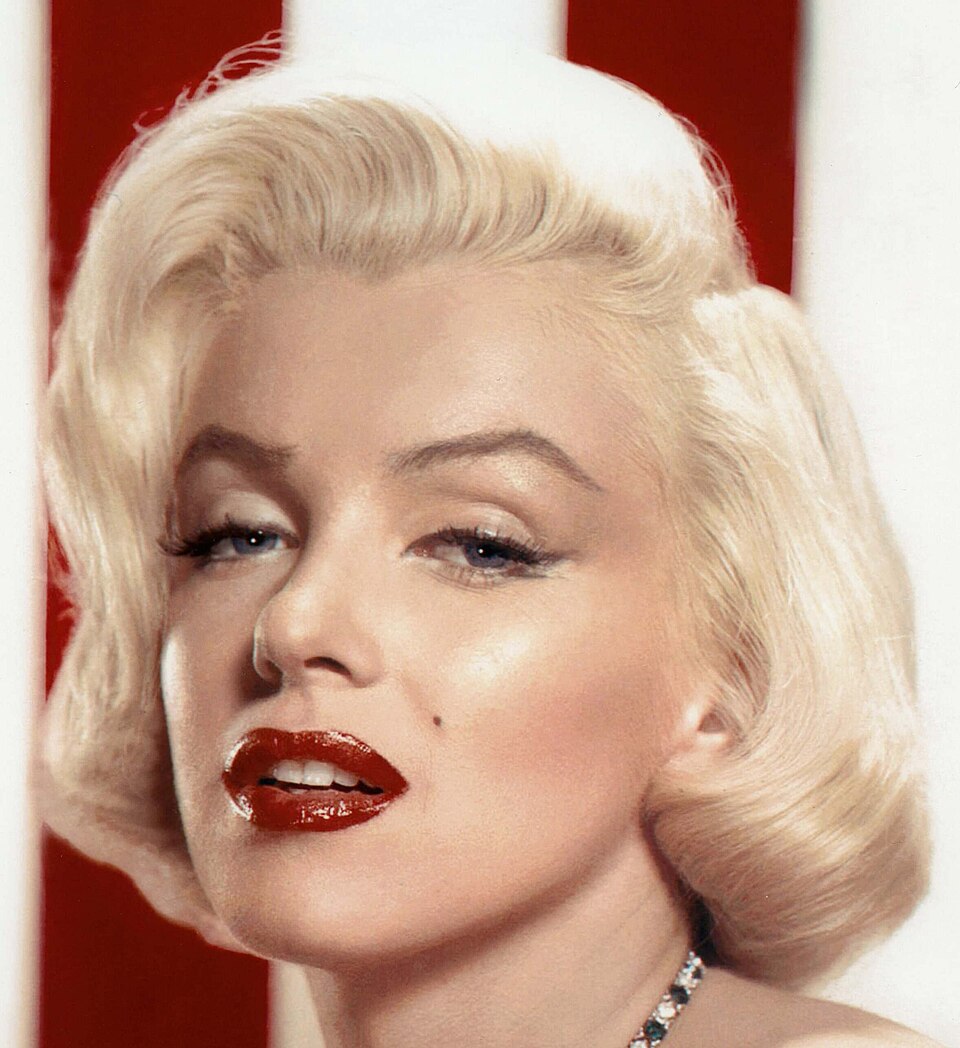
Born on June 1, 1926, as Norma Jeane Mortenson, Marilyn Monroe rose from a difficult childhood in foster care to become one of Hollywood’s most recognizable stars. Known for films like Some Like It Hot and Gentlemen Prefer Blondes, she blended comedic brilliance with striking screen presence. Beyond acting, Monroe challenged studio control by founding her own production company—an uncommon move for women at the time.
Her life, however, was marked by personal struggles, including mental health challenges and intense media scrutiny. Monroe’s death at just 36 years old remains one of Hollywood’s most discussed tragedies. Yet decades later, her image continues to shape conversations around fame, femininity and power. Photo by Studio publicity still, Wikimedia commons.