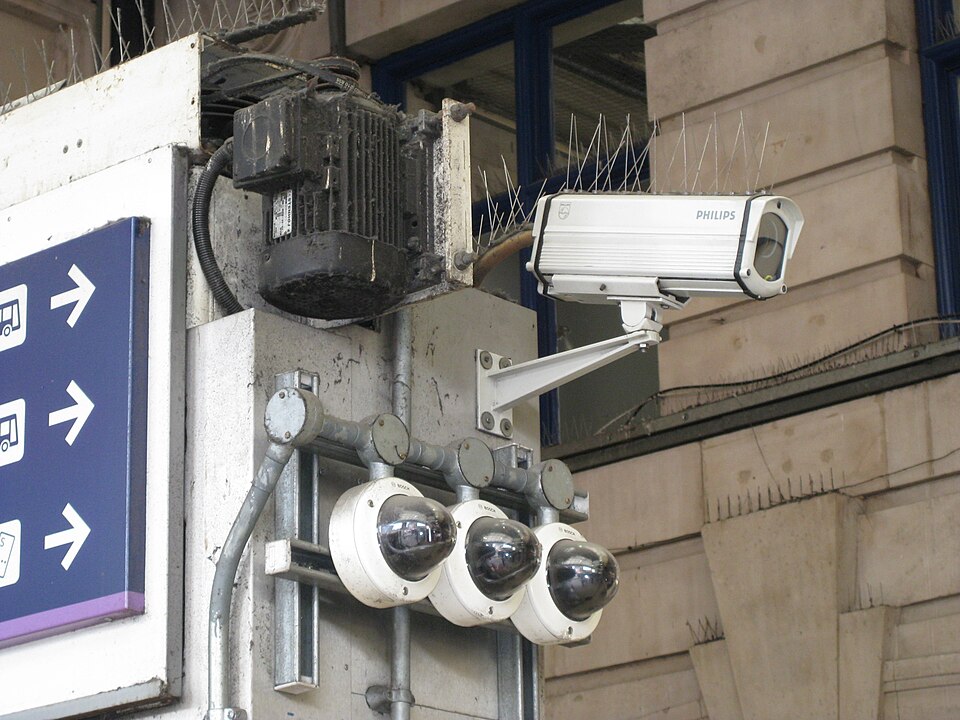
Commuters, tourists and shoppers moving through central London on an otherwise routine weekday recently found themselves under the gaze of live facial recognition cameras, as police
scanned crowds against a database of wanted individuals.
The operation, conducted by the Metropolitan Police in Victoria, highlighted the rapid expansion of surveillance technology that authorities describe as a major breakthrough in crime prevention. Since the beginning of 2024, police say the system has helped officers detain around 2,500 suspects, including individuals linked to violent and sexual crimes.
Civil liberties advocates, however, argue the technology risks eroding fundamental legal protections by effectively treating every member of the public as a potential suspect. Concerns over privacy and wrongful identification have intensified as the system becomes more widely deployed across the capital.
Those objections suffered a setback last month when a legal challenge brought by campaigners and a community worker who had previously been misidentified was dismissed by the courts, clearing the way for broader use of live facial recognition across Britain.
In Victoria, public reaction appeared largely muted. Temporary cameras, police vans and warning signs announcing the operation drew little visible concern from pedestrians navigating the busy streets.
During the deployment, officers monitoring the system received an alert indicating a possible match. Police briefly stopped and questioned a man before releasing him after determining the alert related to court-imposed restrictions rather than an active arrest warrant.
Roughly half an hour later, a second alert prompted officers to detain another man wearing a grey hoodie and black baseball cap. Witnesses watched as he was handcuffed on the pavement before being taken away in a police van.
Senior Metropolitan Police officials have defended the technology as a powerful tool in tackling serious crime. Lindsey Chiswick, the Met’s director and national lead for live facial recognition, described the system as “groundbreaking” for policing in London.
Speaking during the operation, Chiswick pointed to cases in which facial recognition had identified suspects accused of robbery, rape and strangulation. She also referenced an incident involving a convicted paedophile spotted walking with a young girl in public.
“He should never have been out with a young girl like that on his own,” Chiswick said, adding that the man was subsequently returned to prison.
The Victoria operation, alongside another deployment in Tottenham, north London, led to six arrests, including offences involving threats to kill, breaches of court orders and possession of a lock knife, according to police.
Britain already ranks among the world’s most heavily monitored societies, with CCTV cameras embedded throughout public spaces and transport networks. In London alone, residents may be recorded hundreds of times each day.
Now, the country is becoming one of Europe’s leading adopters of live facial recognition policing. The system works by converting faces captured on camera into biometric data, which is then compared against a watchlist of around 17,000 individuals, most identified through police custody images.
Police insist the process is brief and tightly controlled. According to Chiswick, biometric data from individuals who are not matched is immediately deleted.
“It’s a very fleeting engagement of two biometric templates,” she said. “Then it’s destroyed forever.” Photo by Gammew, Wikimedia commons.