Nearly 1,000 previously hard-to-access government records documenting the early years of the Northern Ireland Troubles have been published online, marking a significant step in opening
up the UK’s historical record.
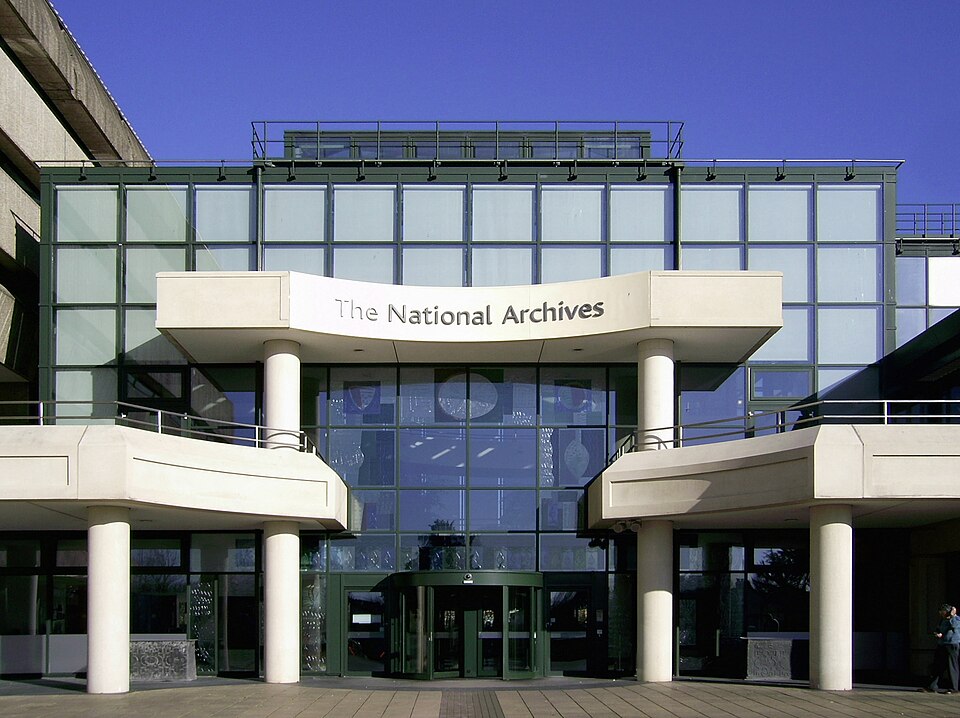
The documents, released by The National Archives, span multiple government departments and provide fresh insight into one of the most turbulent periods in modern British and Irish history. While the files were already available in physical form at the Archives’ headquarters in Kew, their digitisation now allows free and remote access for researchers, students, and the wider public.
This initiative follows a commitment made in April 2025 to expand digital access to historical records, with further releases expected in the coming months.
The collection covers key developments in the late 1960s and early 1970s, including the rise of the Civil Rights Movement, the escalation of violence, and the deployment of British troops. It also documents the creation of the Northern Ireland Office in 1972 after the suspension of the Stormont government.
According to Hilary Benn, the release comes at a moment of reflection. Speaking alongside the publication, he noted that making these materials widely available would help deepen public understanding of the conflict and the long journey toward peace, particularly as anniversaries of milestones such as the Good Friday Agreement are marked.
The newly digitised files include maps, policy papers, and internal communications, offering a detailed look at government thinking and decision-making during the early stages of the conflict.
Founded over 180 years ago, The National Archives serves as the official archive and publisher for the UK government, preserving more than 1,000 years of history. It holds millions of documents, from medieval manuscripts to modern digital records, and plays a central role in ensuring transparency, accountability, and public access to state information.
Officials say the newly released materials are already being used in educational resources and academic research, helping a new generation engage with the complex history of Northern Ireland.
With additional batches planned, historians and the public alike can expect a steadily expanding window into the past. Photo by Harumphy, Wikimedia commons.