Nearly all children set to begin primary school in London this September have secured a place at one of their preferred schools, according to newly released admissions data, highlighting both
strong placement rates and shifting demographic trends across the capital.
Figures published on National Primary Offer Day 2026 show that 98.3% of applicants received an offer from one of their chosen schools, maintaining London’s consistently high level of admissions satisfaction. Notably, 88.4% of families secured their first-choice school, marking a modest rise of 0.5 percentage points compared to last year.
In total, 97.0% of pupils — equivalent to 78,228 children — were offered a place within their top three preferences, reinforcing the overall stability and responsiveness of the city’s admissions system.
However, the data also reveals a continuing decline in demand. Applications dropped to 80,658 this year, representing a 3.5% decrease compared with the previous cycle. While most boroughs saw falling numbers, six areas recorded slight increases, suggesting uneven demographic shifts across London.
Experts point to broader social and economic factors behind the trend. A declining birth rate, coupled with the ongoing shortage of affordable housing, is pushing many families out of the capital. Projections indicate that reception pupil numbers could fall by 2.5% over the next four years, resulting in the loss of around 2,275 places — roughly equivalent to 87 primary school classes.
Jon Abbey, Chair of the Pan-London Admissions Board, said: "The Pan-London Admissions Scheme continues to ensure that school places across the capital are allocated openly and fairly, taking into account available places and eligibility criteria at each school. Where families have not received their first preference, this reflects the fact that demand at certain schools continues to exceed supply.
"Falling birth rates and the ongoing cost of living pressures facing London families, including high housing costs, have again contributed to a decrease in overall applications this year, a trend we expect to continue in the years ahead.
"We encourage parents to read their child's offer carefully and to weigh their options before reaching a decision. Each London borough has a dedicated admissions team ready to help with any questions parents may have."
A diverse and extensive school network
London’s primary education system remains one of the largest and most diverse in Europe, comprising over 2,000 state-funded primary schools alongside a substantial number of independent institutions. The network includes community schools, academies, faith schools, and free schools, offering families a wide range of educational approaches and specialisms.
Despite declining enrolment, this diversity continues to provide flexibility within the system, helping ensure that most families can access schools aligned with their preferences. Local authorities and education planners are increasingly focused on balancing supply and demand, with some areas already considering school mergers or reductions in class sizes to adapt to falling pupil numbers.
Looking ahead
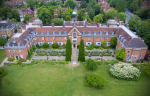
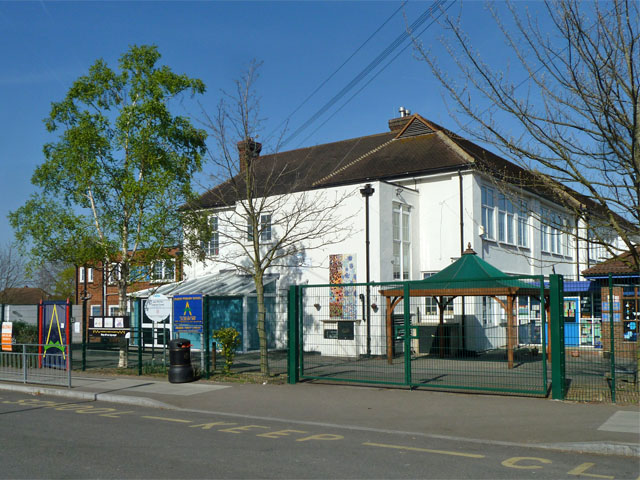
While high offer rates are a positive signal for families, the long-term challenge for London’s education system lies in adjusting to a shrinking student population without compromising quality or access. Strategic planning across boroughs will be crucial as the capital navigates these demographic changes. Photo by Aragon Primary School by Robin Webster, Wikimedia commons.