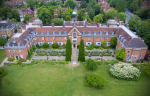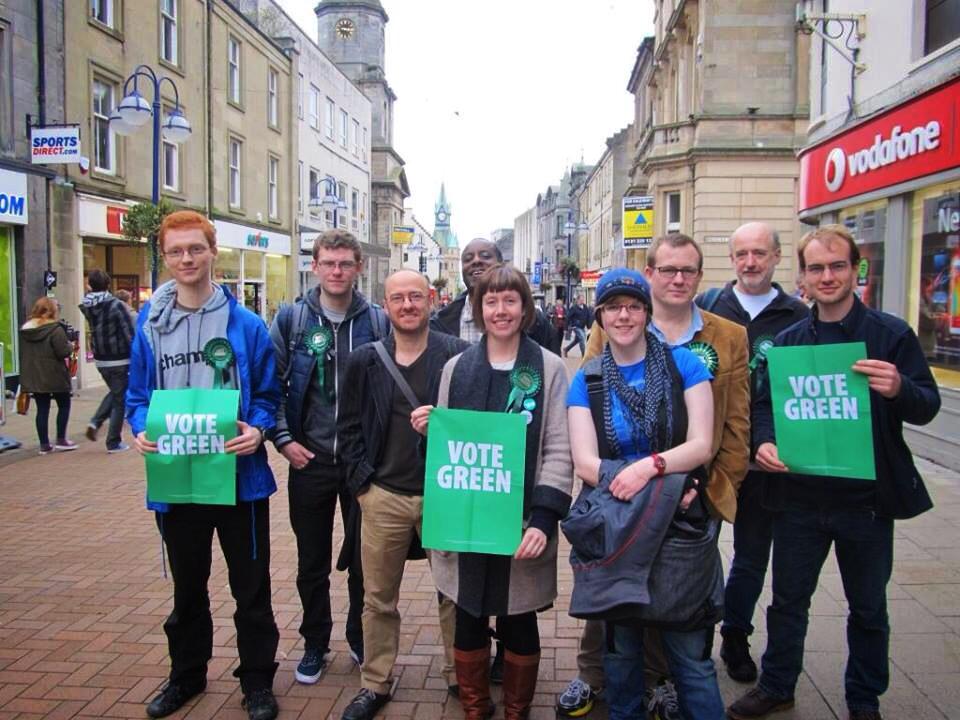
The Scottish Greens have unveiled plans to introduce a new tax on private schools, arguing the measure would help address chronic underfunding in state education and public services across
Scotland.
Under the proposal, mainstream fee-paying schools would be subject to increased charges through the business rates system. However, independently operated schools catering to pupils with Additional Support Needs would be exempt.
Party co-leader Ross Greer said the initiative forms part of a broader fiscal strategy aimed at ensuring wealthier individuals and large corporations contribute more to public spending.
He framed private schools as institutions that reinforce social inequality, arguing they act as “pipelines” into positions of power by fostering exclusive networks among the privileged.
The proposal comes amid mounting financial pressure on both families and private institutions. Since the UK government introduced VAT on private school tuition and boarding fees in January last year, many schools have increased fees, prompting some parents to withdraw their children.
According to the Scottish Council of Independent Schools, enrolment in Scotland’s private schools has dropped by over 1,000 pupils since the policy took effect. Critics warn that this shift risks placing additional strain on already stretched state schools.
Despite perceptions that private education is primarily used by the wealthy, data suggests a more complex picture, with some families not paying the higher rate of income tax still choosing fee-paying schools.
Greer argued that previous reforms—such as removing charitable tax relief for private schools—were a step in the right direction but insufficient. “With public services under such huge pressure but the richest still getting richer, it’s time to go further,” he said.
The proposed “Private School Tax” is one of several new levies put forward by the Greens, alongside taxes targeting large online retailers, frequent flyers, and alcohol sales.
In a separate development, the party also pledged to cancel a long-standing agreement between the Scottish Government and Flamingo Land over a proposed resort development at Loch Lomond. The controversial project has faced sustained opposition from local communities and environmental groups, and remains tied up in legal proceedings.
Context: education policy in Scotland
Education policy in Scotland has increasingly focused on equity, access, and reducing attainment gaps between disadvantaged pupils and their peers. The Scottish Government has prioritised initiatives such as the Scottish Attainment Challenge, which directs funding to schools in deprived areas.
However, critics argue that persistent inequalities remain, particularly in access to resources, teacher availability, and extracurricular opportunities. The debate over private schooling sits within this broader policy landscape, where policymakers are grappling with how to balance parental choice against social fairness.
Recent reforms—including the removal of charitable status tax breaks for private schools and the UK-wide imposition of VAT—reflect a growing political willingness to scrutinise the role of independent education. The Greens’ latest proposal signals a further shift toward redistributive policies aimed at strengthening the state sector.
Supporters argue such measures could provide vital funding for public schools and social care, while opponents warn they may drive more pupils into the state system without sufficient capacity to absorb them. Photo by Edinburgh Greens, Wikimedia commons.