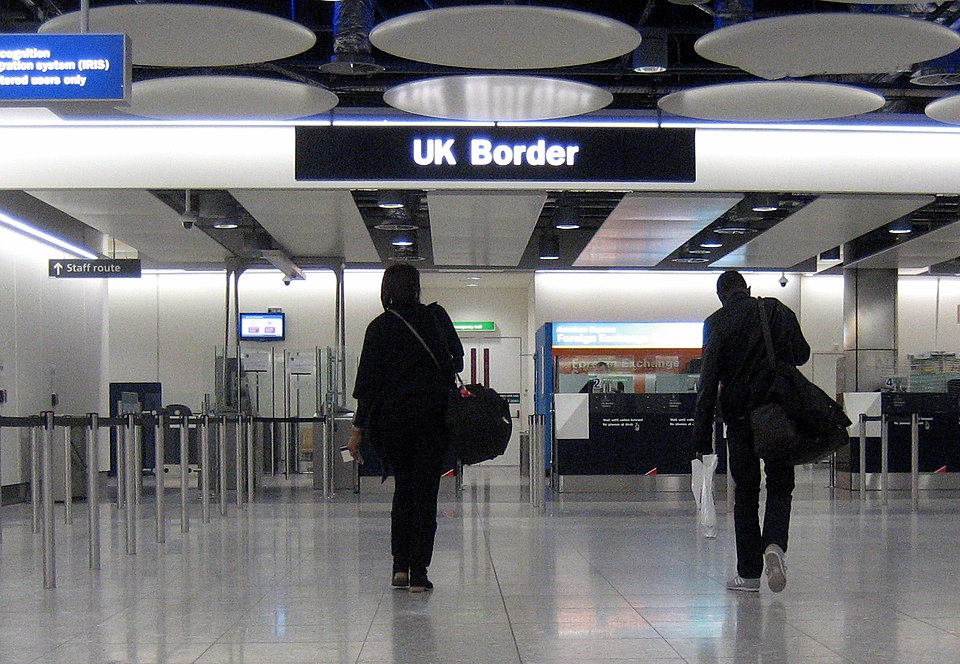
Britain’s long-term net migration fell dramatically in 2025, nearly halving as stricter immigration policies introduced over recent years significantly reduced the number of people arriving in the
country.
New figures released by the Office for National Statistics (ONS) showed net migration dropped to 171,000 in the year ending December 2025, down from 331,000 the previous year. The decline continues a steep downward trend from the record high of 944,000 reached in 2023.
Immigration has remained one of the most divisive political issues in the UK for more than a decade, driving repeated policy changes under successive governments. Both legal and illegal migration have come under increasing scrutiny, with tighter visa requirements and higher salary thresholds reshaping the country’s immigration system.
The latest figures suggest those measures are now having a significant impact. According to the ONS, migration levels have returned close to where they stood before Britain introduced its post-Brexit immigration system in 2021, during the final stages of the country’s transition out of the European Union and amid COVID-era travel restrictions.
The sharp decline follows reforms introduced in 2024 by the previous Conservative government, including restrictions preventing most international students from bringing family dependants and tougher salary requirements for skilled worker visas.
The current Labour government has continued that tougher approach as it attempts to respond to growing public concern over migration and counter the rising popularity of Nigel Farage’s Reform UK party, which has built much of its support around anti-immigration policies.
Last year, Labour ended overseas recruitment for care workers — previously one of the largest sources of work-related migration — and further increased salary thresholds for skilled visa applicants. Ministers have also unveiled broader reforms aimed at speeding up deportations for illegal arrivals and extending the time some migrants must wait before qualifying for settled status from five years to ten.
Interior minister Shabana Mahmood said the government welcomed the latest reduction but insisted further action was needed.
“We will always welcome those who contribute to this country and want to build a better life here,” she said. “But we must restore order and control to our borders.”
She added that the government’s proposed skills-based migration system would prioritise contribution to the economy while reducing reliance on what she described as “cheap overseas labour.”
However, business leaders and economists warn the tighter rules may worsen labour shortages in key sectors such as hospitality and social care, where employers have relied heavily on overseas workers in recent years.
Immigration lawyer Lyudmyla Davies said companies were increasingly concerned that stricter settlement rules could discourage skilled professionals, graduates and investors from choosing the UK.
“The economy still depends on attracting international talent,” she said, warning that tougher migration pathways could make Britain less competitive globally.
Despite the falling numbers, research from think tank British Future suggests much of the public still believes migration is rising rather than declining, highlighting the continued political sensitivity surrounding the issue. Photo by dannyman, Wikimedia commons.