Britain has barred U.S. rapper Kanye West, now known as Ye, from entering the country, forcing the cancellation of London’s Wireless Festival where he had been scheduled to headline in July.
The decision, confirmed by festival organisers on Tuesday, came after authorities revoked his permission to perform, citing concerns that his presence would not be “conducive to the public good.” As a result, the three-day event has been scrapped entirely, with full refunds promised to ticket holders.
The move follows weeks of mounting political and public pressure after Ye was announced as a headline act on April 1. Several major sponsors withdrew their support, while Prime Minister Keir Starmer publicly criticised the booking, saying the artist should never have been invited.
Controversy surrounding Ye stems from a series of antisemitic remarks and actions in recent years, including the release of a song promoting Nazi ideology and the sale of merchandise featuring a swastika symbol. These incidents have drawn widespread condemnation and raised concerns about the platforming of artists accused of promoting hate.
Earlier this week, Ye attempted to address the backlash, offering to meet members of Britain’s Jewish community. In a statement, he said his intention was to “listen” and demonstrate change, adding that he hoped to promote “unity, peace and love through music.” He acknowledged that words alone would not be enough and that meaningful change would require action.
However, UK officials were unconvinced. Health Secretary Wes Streeting described Ye’s conduct as a “pattern of behaviour,” arguing that repeated controversies undermined claims of personal reform.
Jewish organisations across the UK welcomed the government’s decision. Community leaders stressed that genuine accountability must go beyond public statements, particularly at a time when antisemitic incidents are rising.
According to recent reports from monitoring groups, antisemitism in the UK has seen a significant increase over the past few years, with spikes often linked to global tensions and the amplification of hate speech online. The government has responded with stronger policies, including tighter oversight of public figures and zero-tolerance approaches to hate incitement.
The cancellation of Wireless Festival highlights the growing intersection between entertainment, public responsibility, and social values. It also reflects a broader shift in how governments and institutions respond to controversial figures, particularly when issues of racism and antisemitism are involved.
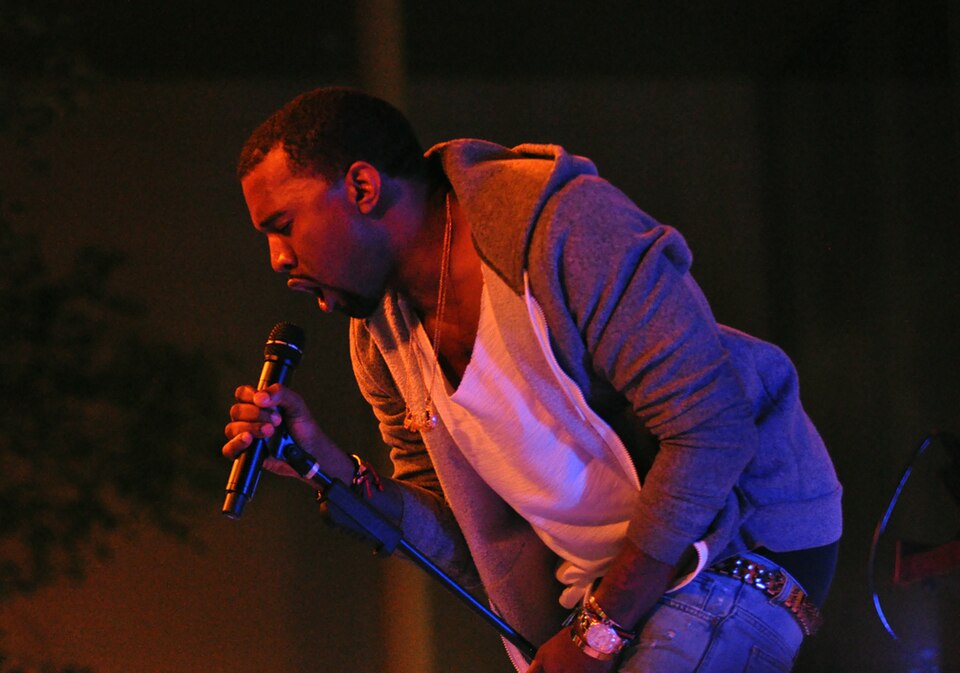
Ye, 48, has not performed in the UK since his headline appearance at Glastonbury in 2015. While he has continued to stage shows elsewhere this year, including in the United States and Mexico City, this latest decision raises further questions about his international touring future. Photo by Jason Persse, Wikimedia commons.