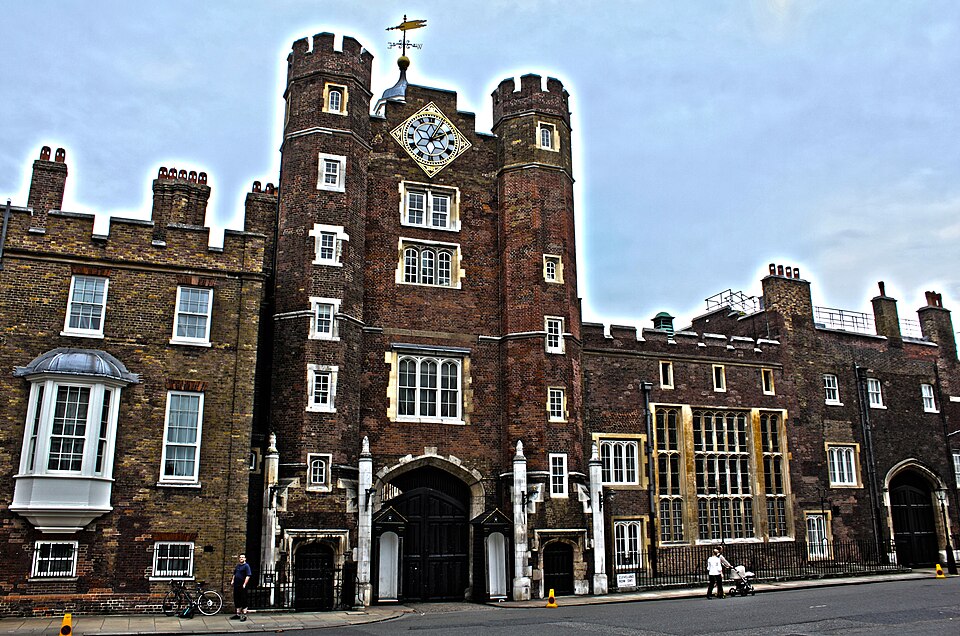
Researchers from the University of Oxford have been honoured with the prestigious Queen Elizabeth Prizes for Higher and Further Education during a ceremony hosted at St James's Palace in
London, celebrating pioneering work across UK universities and colleges.
The prizes were presented by King Charles III, recognising innovative projects that are shaping research, education and society. Among this year’s winners were initiatives tackling sustainability in the textile industry, a partnership bringing higher education opportunities into prisons, and research advancing the performance of Paralympic athletes.
Oxford honoured for OpenSAFELY health data platform
The University of Oxford received its award for the global impact of the OpenSAFELY platform, developed at the Bennett Institute for Applied Data Science within Oxford’s Nuffield Department of Primary Care Health Sciences.
Created during the early stages of the COVID-19 pandemic, OpenSAFELY introduced a new way for researchers to securely access nationwide NHS GP data. For the first time, the system allowed scientists to study health data covering the entire population while maintaining strict patient privacy protections.
Unlike traditional research models — where sensitive datasets are transferred to analysts — OpenSAFELY keeps patient records securely in place. Researchers instead work with simulated “dummy” data to build their analysis. The code is then executed remotely against real records, ensuring that scientists never directly handle confidential personal information.
Balancing data access and patient privacy
Professor Ben Goldacre, Director of the Bennett Institute for Applied Data Science, said the project demonstrates that large-scale health data can be used responsibly.
He noted that medical records contain extremely sensitive personal information, but with the right safeguards, they can also drive research that improves healthcare for millions. OpenSAFELY, he added, was designed from the ground up with privacy-preserving technology to ensure data can be analysed without compromising patient confidentiality.
Goldacre also emphasised the platform’s collaborative nature, bringing together partners including electronic health record providers TPP and EMIS, researchers, patient groups and NHS England. The project’s code is publicly available, allowing other researchers and institutions to review and reuse it.
Platform expands beyond pandemic research
OpenSAFELY reached another milestone in February 2026 when NHS England opened the platform to broader health research beyond COVID-19 studies. For the first time, researchers across the UK can apply to analyse nationwide GP data on topics such as chronic illness, mental health and treatment safety.
Applications for access to the data are currently open until 30 April 2026.
Royal ceremony celebrates education excellence
The awards ceremony was attended by Queen Camilla, Anne, Princess Royal and Prince Richard, Duke of Gloucester together with Birgitte, Duchess of Gloucester.
The Princess Royal attended in her role as Chancellor of the University of Edinburgh, which was also recognised for its Centre for Fire Safety Engineering.
Following the presentation, members of the Royal Family met with the prize recipients at a reception to learn more about their award-winning projects.
First introduced in 1995, the Queen Elizabeth Prizes for Higher and Further Education form part of the UK’s national honours system. Awarded every two years, the prizes are granted on the advice of the Prime Minister after an independent review process overseen by the Royal Anniversary Trust. Photo by siegertmarc, Wikimedia commons.
Naomi Atkin