The United Kingdom and European Union have agreed a far-reaching package of economic, trade, migration and security measures, with the British government estimating that closer
cooperation could boost UK GDP by up to £17 billion annually by 2040. The agreement, reached at the UK-EU Summit in Brussels on 20 November, is also intended to ease household financial pressures, support British businesses, create opportunities for young people and strengthen Europe's response to shared security threats.
Prime Minister Andy Burnham has described the agreement as a significant turning point in Britain's relationship with Europe, arguing that the arrangements will begin to address some of the economic and practical difficulties that emerged following Brexit.
The package covers several strategically important areas, including food and agricultural trade, carbon emissions markets, youth mobility, border management, defence cooperation and support for Ukraine. According to the government, the combined measures could increase Britain's economic output by approximately 0.5% by 2040, equivalent to around £17 billion a year.
Speaking after the summit, Burnham said that the agreement marked the beginning of a new phase in relations between London and Brussels, based on closer cooperation rather than the political divisions that characterised the Brexit years.
"Ten years on from Brexit, today we open a new chapter. Repairing a broken status quo with a Britain that is closer to Europe," the Prime Minister said.
He argued that the agreement would help reduce business costs, ease pressure on household shopping budgets and restore opportunities for younger generations. He also stressed that the changing international security environment, particularly Russia's war against Ukraine and growing global economic uncertainty, made closer European cooperation increasingly important.
Lower food prices and fewer barriers for British producers
One of the most immediate economic components of the agreement concerns trade in food, agricultural products and plants. The UK and EU intend to establish arrangements that will significantly reduce sanitary and phytosanitary checks, administrative requirements and certification costs for businesses trading across the Channel.
Under the proposed arrangements, Export Health Certificates, which can cost British exporters up to £200 per document, will be abolished for covered products. Businesses are also expected to benefit from fewer inspections and less complicated border procedures.
The changes could be particularly important for small and medium-sized food producers, farmers and agricultural exporters, many of whom have faced additional expenses and delays since Britain left the EU single market.
The agreement is also expected to reopen European markets to a number of British products that encountered restrictions under the post-Brexit trading arrangements. These include fresh sausages and burgers, Welsh mussels and Scottish seed potatoes.
A further objective is to reduce the administrative burden associated with trade between Great Britain and Northern Ireland, working alongside the existing Windsor Framework.
The government estimates that the food and drink agreement could contribute up to £5.1 billion annually to the British economy by 2040.
For consumers, the potential benefits include more efficient supply chains, reduced food waste and lower costs for retailers. However, the extent to which these savings will translate into cheaper supermarket prices will depend on competition, production costs and whether businesses pass on the benefits to customers.
Carbon market agreement offers protection for British industry
Another major element of the package is the planned linking of the UK and EU emissions trading systems, creating what the government describes as the world's largest connected carbon market.
The arrangement is intended to reduce regulatory differences between the two economies and help British manufacturers maintain access to European markets.
A particularly important benefit concerns the EU's Carbon Border Adjustment Mechanism (CBAM), which places a carbon-related cost on certain imported goods. By linking their emissions trading systems, the UK expects to exempt approximately £6.5 billion worth of British exports, including steel and aluminium, from the mechanism.
This could provide significant relief to industrial companies operating in regions where manufacturing remains an important source of employment, particularly in the Midlands, northern England, Wales and Scotland.
The agreement is expected to generate up to £3.8 billion a year for the British economy by 2040.
It could also encourage investment in cleaner industrial technologies by providing businesses with greater regulatory certainty and reducing the risk of additional costs when exporting to Europe.
New European opportunities for young people
The restoration of youth mobility is among the most politically and socially significant elements of the agreement.
The proposed Youth Experience Scheme will allow British and EU citizens aged between 18 and 31 to live, work, study and travel in participating countries for periods of up to three years.
Unlike traditional employment-based visa arrangements, participants will not need to secure a job offer before applying. The scheme is also intended to operate without minimum salary or language requirements.
The arrangement will be reciprocal, allowing young Europeans to spend time in the United Kingdom while British citizens gain greater access to educational institutions, employment opportunities and cultural experiences across Europe.
The programme will operate through a capped, time-limited visa system. Participants will not automatically receive access to social security benefits or the right to bring dependants.
For universities, employers and cultural organisations, the initiative could help rebuild connections that were significantly weakened by the end of the UK's participation in the EU's previous freedom-of-movement arrangements.
The government estimates that the youth mobility agreement could contribute up to 0.2% to UK GDP, while also strengthening educational, professional and cultural exchanges.
Domestic social programmes: tackling poverty and reducing household expenses
The agreement with Brussels comes as the British government pursues a wider domestic programme aimed at addressing poverty, improving access to public services and reducing the financial pressures facing working families.
Although the UK-EU package is primarily an economic and diplomatic agreement, its objectives are closely connected to the government's domestic social policy: improving household incomes, lowering the cost of essential goods and services, and creating better opportunities for younger generations.
One of the central priorities is the government's Child Poverty Strategy, Our Children, Our Future, which combines changes to the social security system with investment in education, childcare, housing and local support services.
A major development in 2026 has been the abolition of the two-child limit in Universal Credit. The reform allows eligible families to receive the child element of the benefit for all their children, rather than being restricted to the first two. The government estimates that the measure will put approximately 450,000 children on a pathway out of poverty.
The government has also expanded eligibility for free school meals in England. Since September 2026, children in households receiving Universal Credit have been entitled to free school meals in eligible state-funded educational settings, regardless of household earnings. The expansion is expected to benefit more than half a million additional children.
This measure forms part of a broader programme to reduce the financial burden on parents while improving children's nutrition and educational opportunities.
Free breakfast clubs are also being rolled out across primary schools in England. The programme is designed to provide children with a healthy start to the school day while helping parents balance employment and family responsibilities. The government estimates that the scheme can save participating families up to £450 annually.
Additional support is being provided through the Holiday Activities and Food Programme, which offers children from disadvantaged households access to nutritious meals, supervised activities and educational opportunities during school holidays. The government has committed £600 million over three years to extend the programme in England.
Childcare is another major component of the government's social agenda. Eligible working parents in England can access up to 30 hours of government-funded childcare per week for 38 weeks of the year, for children aged from nine months to school age. The programme is intended to reduce childcare expenses and help more parents return to employment or increase their working hours.
The government is also increasing support for low-income families through the Healthy Start scheme, which helps eligible pregnant women and families with young children purchase essential healthy food.
Housing investment and energy affordability
Housing affordability remains one of Britain's most significant social and economic challenges. High rents, limited availability of affordable accommodation and rising housing costs have placed considerable pressure on households, particularly younger people and families on lower incomes.
The government has therefore committed substantial resources to expanding the supply of social and affordable housing through its 10-year Social and Affordable Homes Programme.
The 2026 Budget announced an additional £1.5 billion for the construction of approximately 10,000 homes in England, bringing the programme's total investment to more than £40 billion over a decade. Particular priority is being given to social-rent properties and new council housing.
Alongside this, the government is developing measures to help first-time buyers enter the property market, including the Your First Home equity-loan scheme, supported by £4.7 billion in funding.
Energy affordability is another priority. From April 2026, the government began removing an average of £150 in costs from household energy bills. Further assistance is available through the Warm Home Discount, local authority support and the Crisis and Resilience Fund, which helps eligible households facing difficulties paying for essential expenses, including food, rent, electricity and water.
The £1 billion Crisis and Resilience Fund is particularly important for households experiencing sudden financial difficulties, as it provides local authorities with resources to offer targeted assistance rather than relying exclusively on national benefit payments.
These initiatives form part of a broader strategy to make essential services more affordable while improving financial security for vulnerable households.
Employment, wages and opportunities for young people
The government is also seeking to reform the labour market and strengthen employment support, with particular attention to people who face barriers to entering or remaining in work.
Its wider employment strategy includes a £3.5 billion investment in employment support and reforms intended to create almost one million opportunities for young people.
The programme aims to improve access to apprenticeships, training, professional qualifications and employment pathways, while strengthening the support available through Jobcentres.
Changes introduced in October 2026 have also addressed the so-called benefits cliff edge affecting residents of supported housing and temporary accommodation. Under the new rules, more than 325,000 people are expected to retain a greater proportion of their income when they take up employment or increase their working hours.
The National Living Wage has also increased to £12.71 an hour from April 2026, strengthening the earnings of some of Britain's lowest-paid workers.
The government argues that these reforms are intended to move towards a system in which social security and employment services work together to help people achieve greater financial independence.
The new UK-EU Youth Experience Scheme could complement these domestic initiatives by giving younger Britons additional opportunities to gain international work experience, develop professional skills and improve their future employment prospects.
Migration cooperation and action against people-smuggling networks
Migration management was another important subject discussed at the summit.
The UK and EU agreed to establish a new Structured Dialogue on migration, providing a framework for regular discussions on irregular migration, border management, human trafficking and organised people-smuggling.
The two sides also committed to closer cooperation under the Channel Action Plan, with the objective of dismantling criminal networks responsible for organising dangerous small-boat crossings.
The initiative will involve intelligence-sharing, coordinated enforcement operations and cooperation with countries along migration routes.
The British government says cooperation with European partners has already helped prevent more than 50,000 attempted small-boat crossings. It believes that stronger coordination with European authorities can improve the effectiveness of border enforcement and reduce the influence of criminal organisations.
The agreement also seeks to address the misuse of legal migration routes and improve cooperation on the identification and prosecution of traffickers.
Security, Ukraine and the response to Russia
The summit also produced commitments to strengthen cooperation on European security and defence.
The UK and EU intend to coordinate more closely on sanctions enforcement, cyber security, protection of critical infrastructure and countering hostile state activity.
A particularly important priority is the Russian shadow fleet, consisting of vessels used to transport Russian oil and other commodities while attempting to circumvent international sanctions.
The two sides agreed to share intelligence and consider coordinated measures against these networks, while increasing efforts to protect strategically important maritime infrastructure.
Cyber security and disinformation were also prominent issues. The UK and EU plan to develop joint exercises and improve their ability to respond to cyber-attacks, foreign interference and campaigns designed to undermine public confidence in democratic institutions.
New discussions will also focus on protecting elections and ensuring that democratic processes remain free from external manipulation.
Support for Ukraine remains a central element of the broader security partnership. The summit followed the announcement of a £260 million British support package, including 1,000 long-range drones, at the Coalition of the Willing meeting in Berlin.
London and Brussels intend to maintain pressure on Moscow through sanctions, military assistance to Ukraine and closer coordination with European partners.
A new phase in Britain's relationship with Europe
The agreement represents a significant attempt to establish a more pragmatic relationship between the United Kingdom and the European Union without reversing Brexit or restoring full British membership of the single market.
For the British government, the economic argument is central: fewer trade barriers, improved industrial competitiveness and stronger investment links could support economic growth at a time when households and businesses continue to face financial uncertainty.
The social dimension is equally important. Reforms to Universal Credit, free school meals, childcare, affordable housing, energy assistance and employment services demonstrate that the government is seeking to address the domestic consequences of the cost-of-living crisis alongside its European policy.
However, the long-term impact will depend on how quickly the agreements are implemented, whether businesses experience meaningful reductions in administrative costs and how effectively domestic social programmes reach the people who need them.
The proposed youth mobility scheme, in particular, could become one of the most visible benefits of the new relationship, offering younger generations opportunities that were substantially restricted after Brexit.
Ultimately, the Brussels summit signals a shift towards closer economic and political cooperation between London and its European neighbours. The challenge for Burnham's government will be to turn the headline figures and diplomatic commitments into tangible improvements in living standards, employment prospects and economic security across the United Kingdom.
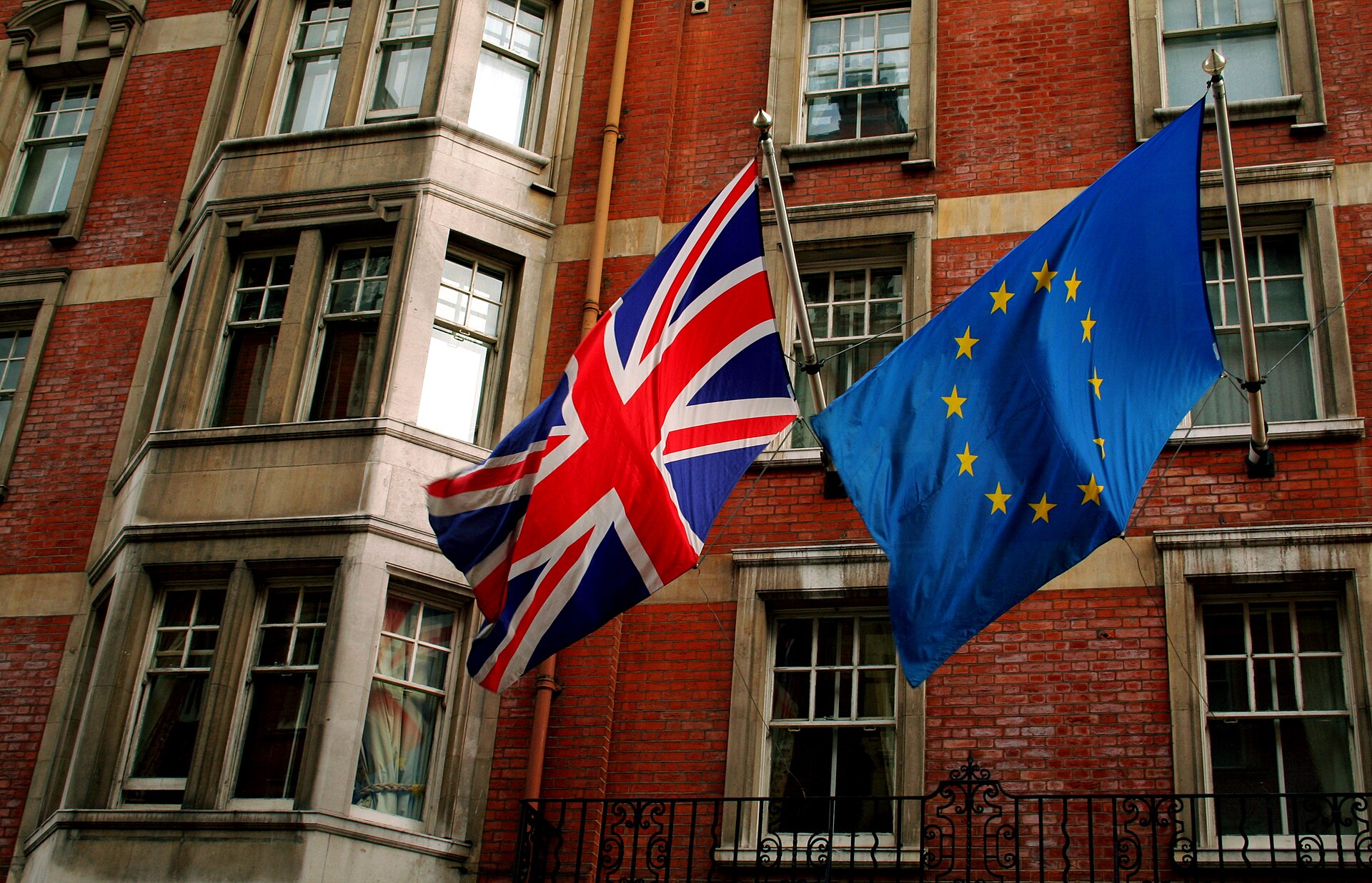
Additional background incorporated: The social-policy section reflects the UK government's published programmes and 2026 developments, including the abolition of the two-child benefit limit, expanded free school meals, childcare support, housing investment and employment reforms. Photo by Dave Kellam, Wikimedia commons.