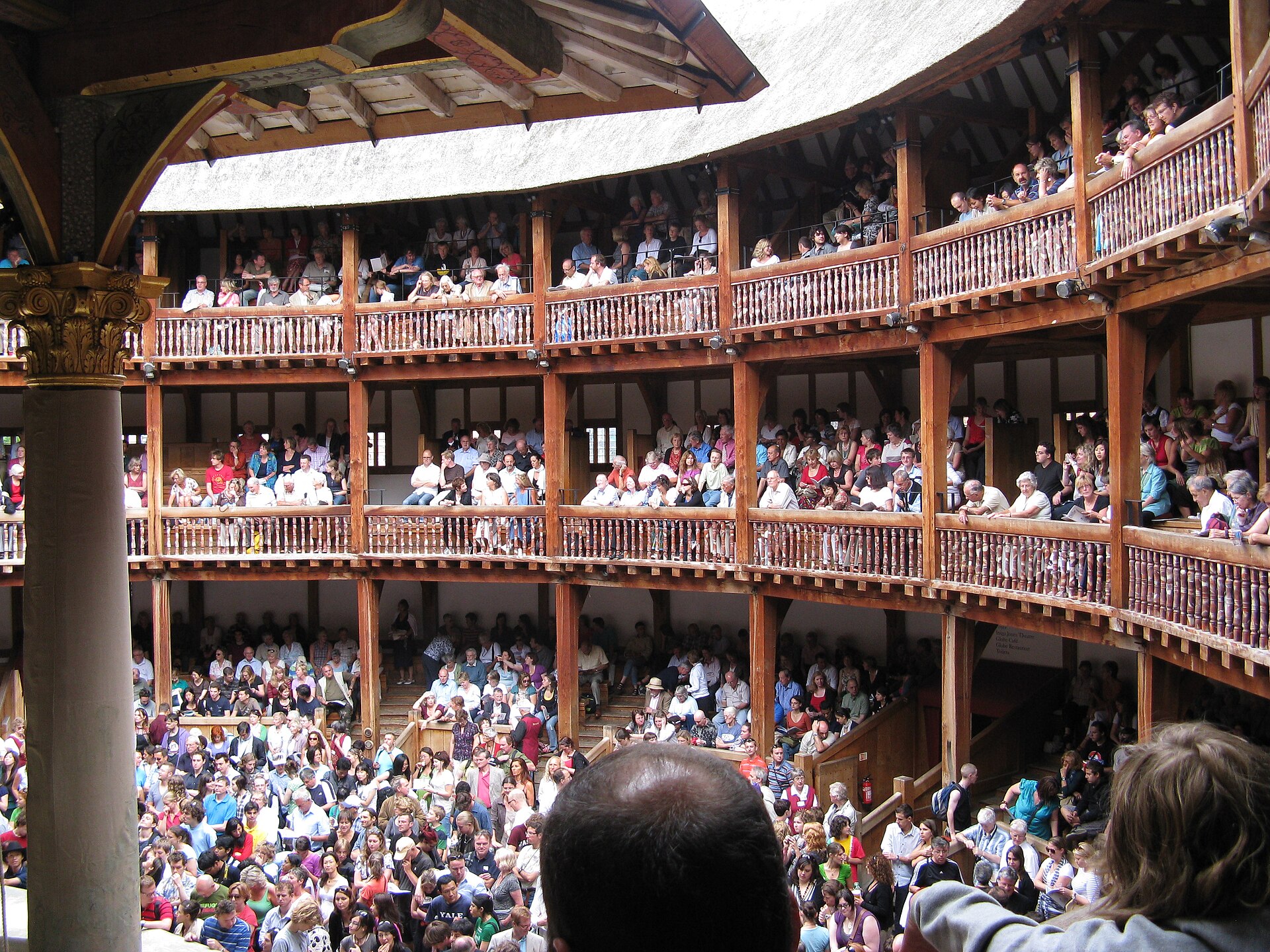
Theatre and the performing arts play an important role in the education and personal development of younger generations, helping children develop creativity, confidence, communication
skills and a better understanding of society. Recognising the importance of cultural opportunities in childhood, the British government has announced a major initiative to make live theatre more accessible to children and young people, particularly those from disadvantaged backgrounds.
Under the new programme, more than 100,000 children and young people across England will have the opportunity to experience live theatre, many of them for the first time. The initiative will include subsidised tickets costing just £10, school performances, educational tours and practical workshops designed to introduce young people to different aspects of theatrical production.
Culture Secretary Lisa Nandy announced the programme on 13 November 2026 during an event at the National Theatre in London, attended by prominent actors and performers, including Jim Carter, Adjoa Andoh, Adrian Lester, Imelda Staunton and Bella Maclean. Actor Sir Ian McKellen also welcomed the initiative, highlighting the importance of bringing professional theatre productions to audiences beyond London.
The government will provide up to £15 million through its Every Child Can programme to support a four-year partnership between the National Theatre, The National Lottery Community Fund and 12 regional theatre organisations. The partnership will operate across every English region, ensuring that opportunities to experience professional theatre are not limited to children living in major cultural centres.
A central element of the initiative will be the National Theatre Nationwide programme, which will combine professional touring productions with educational activities. Productions specifically designed for younger audiences will visit approximately 400 schools, while thousands of subsidised £10 tickets will make theatre performances more affordable for families.
The programme will also offer children opportunities to explore different professional careers in the creative industries. Workshops and training sessions will introduce participants to acting, directing, playwriting and backstage production, helping them understand that a career in theatre involves much more than performing on stage.
Another important element will be a new music theatre initiative, through which young people will create and perform original productions inspired by their own communities. A Skills Roadshow will also visit areas without established theatres, bringing practical creative opportunities directly to young people who might otherwise have limited access to cultural activities. In addition, a Nationwide Youth Council will give participants a voice in shaping the programme and deciding how its activities should be developed.
Culture Secretary Lisa Nandy said that access to arts and culture should not depend on family income or geographical location. She argued that experiencing theatre can enrich young people's lives, expand their horizons and encourage them to consider future careers in the creative industries.
The initiative forms part of a wider government strategy to improve opportunities for children and young people outside the traditional classroom environment. The government has announced an additional £106 million from the Dormant Assets Scheme for the Every Child Can programme, bringing its total funding to £238.5 million. The investment will support access to arts, culture, sport, outdoor activities and youth clubs, particularly in communities where opportunities have historically been limited.
A further £173 million is expected to become available to organisations across England in 2027, supporting additional projects designed to help young people develop practical skills, discover their interests and establish stronger connections with their communities.
The government is also implementing its £450 million Youth Matters Fund, which will support improvements to hundreds of youth facilities and provide opportunities for young people to participate in sport, music and volunteering. The initial investment includes £20.7 million for 60 local authorities identified as particularly in need of better youth services. The programme will also support the recruitment and training of 1,000 youth workers and trusted adults.
The broader initiative reflects growing recognition that education and personal development should extend beyond academic achievement. Participation in theatre and other cultural activities can help young people develop independence, teamwork, imagination and communication skills, while also providing opportunities to discover talents that might otherwise remain unnoticed.
As the National Theatre's Executive Director and Co-Chief Executive Kate Varah emphasised, access to the transformative benefits of theatre should not depend on where a child lives or what their family can afford. The ambition is therefore not simply to introduce a new generation to professional performances, but to give young people the opportunity to participate in cultural life and potentially build careers in the creative sector.
For British families, the initiative could also make theatre a more regular part of children's upbringing. By combining affordable tickets, school tours and practical workshops, the government hopes to ensure that experiencing live performances becomes an accessible part of childhood rather than an occasional privilege reserved for families with higher incomes. Photo by Yair Haklai, Wikimedia commons.