The King’s Award for Voluntary Service, formerly known as The Queen’s Award for Voluntary Service, remains one of the most prestigious honours recognising exceptional contributions to
British society. By celebrating voluntary organisations that make a meaningful difference to people’s lives, the award highlights the importance of civic engagement, community solidarity and grassroots initiatives in strengthening communities across the United Kingdom.
A total of 250 volunteer-led organisations across the UK and Crown Dependencies have received the 2026 King’s Award for Voluntary Service, the highest honour available to voluntary groups in the country. Equivalent to an MBE, the award recognises organisations whose activities have delivered significant benefits to their local communities.
Announced on 14 November, coinciding with the King’s birthday, this year's awards celebrate volunteer initiatives operating across England, Scotland, Wales, Northern Ireland and the Isle of Man. Notably, 87% of the awards have gone to organisations outside London and the South East, underlining the importance of local volunteering throughout the country.
The recognised organisations work across a broad range of fields, including mental health support, youth services, environmental protection, arts, heritage and community development. They include village hall committees, hospices, community radio stations and football clubs, demonstrating the diversity of Britain's voluntary sector and its capacity to address different social needs.
Their contributions extend to supporting people of all ages and backgrounds, from providing sporting opportunities for children and young people to offering end-of-life care and companionship for adults. Such initiatives play an important role in combating loneliness, improving wellbeing and maintaining the social infrastructure of local communities.
Minister for Civil Society Vicky Foxcroft emphasised that volunteers are essential to the functioning of communities, helping tackle isolation, support mental health and protect local environments. She also highlighted that volunteering develops practical skills, confidence and a sense of belonging, while helping remove barriers to opportunity.
King’s Award for Voluntary Service Chair Sir Martyn Lewis also praised the commitment of volunteers, noting that many organisations have worked consistently for at least three years, with some maintaining their activities for decades. According to him, these groups often emerge from the initiative of local residents who identify problems in their communities and organise practical solutions.
Among the 2026 recipients is Skanda Vale Hospice CIO in Wales, which provides free palliative care for adults with life-limiting conditions. Established in 1993, the organisation has expanded from home-based care to include day hospice services, inpatient respite and remote companionship, relying heavily on volunteers.
In Scotland, Junior Up Helly Aa on the Shetland Islands has been recognised for its work preserving Viking heritage and engaging younger generations in local cultural traditions. Its activities include a torch-lit procession and the burning of a Viking-style longship.
Other award recipients include the Harry Gregg Foundation in County Londonderry, which provides football opportunities for children and young people with disabilities; the Evesham Adventure Playground Association in Worcestershire, which supports childcare, youth activities and community food initiatives; and the Nanu Sports Foundation in West Yorkshire, which uses sport to provide children with a safe environment and develop essential life skills.
The Caldmore Village Festival in the West Midlands has also been recognised for transforming a previously disused plot into a thriving community space, offering gardening activities, workshops and events designed to promote wellbeing, creativity and social connections.
The selection process involves local assessments by Lord Lieutenants, followed by a review by an independent national panel of volunteering experts. The assessment focuses on organisations demonstrating high standards of voluntary service and making a tangible and significant contribution to their communities.
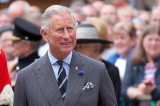
Originally established in 2002 to mark Queen Elizabeth II's Golden Jubilee, the award has continued under King Charles III following his accession to the throne. Its continuation reflects the Royal Family's commitment to recognising the contribution of volunteers and strengthening the culture of civic participation throughout the United Kingdom.
Nominations for the 2027 King’s Award for Voluntary Service are already open, with applications due to close on 1 December 2026.
The recognition of 250 organisations this year demonstrates that volunteering remains an essential part of Britain's social and community life. At a time when public services and local communities face numerous challenges, the work of voluntary groups provides practical assistance, preserves cultural traditions and creates stronger connections between people. The award therefore not only celebrates individual organisations but also acknowledges the wider importance of voluntary action in building a more inclusive and resilient society.