London is set to expand opportunities for outdoor swimming and water-based recreation under a new £5 million initiative announced by Mayor Sadiq Khan. The programme will fund
improvements at two significant east London waterfront locations – Birchmere Lake in Thamesmead and Royal Victoria Dock – while also supporting swimming education for children and young people and upgrading existing open-water facilities across the capital.
The initiative, called Swimmable London, forms part of City Hall's longer-term ambition to make London's rivers, lakes and waterways cleaner, more accessible and better integrated into public life. It aims to address not only the environmental challenges facing the capital's waterways but also inequalities in access to swimming, water sports and outdoor leisure.
The largest share of the investment, £2.75 million, will be directed towards developing swimming facilities at Birchmere Lake and Royal Victoria Dock. The projects are intended to create more organised and accessible environments for swimming, with appropriate changing facilities, designated areas, safety arrangements and improved access to the water.
Birchmere Lake: transforming a Thamesmead green space into a swimming destination
One of the most significant elements of the programme is a £2.1 million investment awarded to housing association Peabody to improve Birchmere Lake in Thamesmead, south-east London.
The project aims to transform an existing waterfront location into a more accessible place for outdoor swimming and recreation. Initial plans include examining how an existing building could be converted into changing facilities, alongside improvements to the lake's accessibility and the installation of pontoons to facilitate entry into the water.
The first swimming sessions are expected to take place in summer 2027, with the wider improvement programme scheduled for completion by November 2028.
Birchmere Lake has an interesting history connected to the development of Thamesmead itself. Created during the 1970s as part of the area's original urban development, the lake was incorporated into a landscape designed to combine residential neighbourhoods with green spaces, waterways and recreational areas.
Thamesmead was conceived as an ambitious new town development, with lakes and canals intended to provide an attractive environment for residents and create a distinctive relationship between housing and nature. The area's original masterplan envisaged extensive parkland and water features as central elements of the community.
Today, Birchmere remains an important local environmental and recreational asset. The lake is surrounded by vegetation and supports a variety of wildlife, including waterbirds, fish and dragonflies. Its ecological value is recognised in London's local wildlife-site network. The Green Chain Walk, a network of walking routes connecting green spaces across south-east London, also passes alongside the lake.
The proposed investment therefore has the potential to give Birchmere a broader role in community life, combining outdoor recreation with the preservation of its natural surroundings. The challenge will be to develop swimming facilities while protecting the lake's existing biodiversity and ensuring that increased public use is managed responsibly.
Royal Victoria Dock: expanding water sports in London's historic Docklands
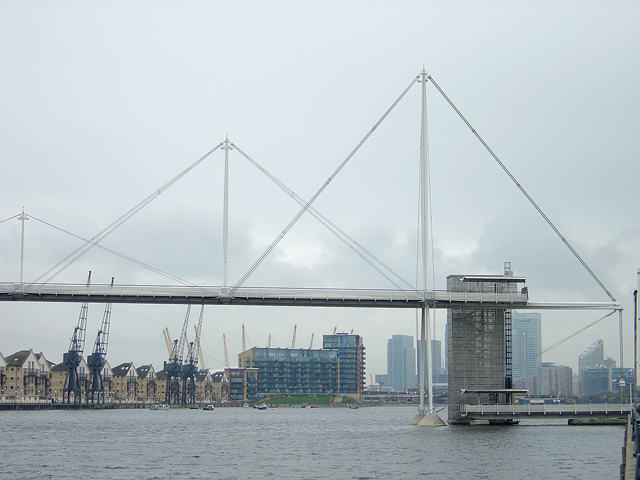
A further £650,000 will go to waterfront developer Nordic Urban to improve the beach and recreational facilities at Royal Victoria Dock in the Royal Docks area of Newham.
The proposed improvements include new changing facilities, lifeguard provision and clearly designated areas for different types of water-based activities, ranging from paddling to deeper-water swimming. The first facilities are expected to be ready for summer 2027, with the full project scheduled for completion by March 2028.
Royal Victoria Dock is one of the most recognisable waterfront locations in east London. Opened in 1855, it was the first of London's Royal Docks and played an important role in the city's maritime and industrial development. For generations, the dock served commercial shipping and international trade, helping establish the area as a major centre of London's port economy.
Following the decline of London's traditional docklands during the second half of the 20th century, the area underwent substantial regeneration. The Royal Docks ceased commercial dock operations in 1981 and have since developed into a mixed-use destination combining residential developments, business districts, exhibition facilities, leisure attractions and public spaces.
Today, Royal Victoria Dock is particularly associated with the regeneration of London's waterfront. It is located close to ExCeL London, the University of East London, London City Airport and the IFS Cloud Cable Car, which connects the Royal Docks with Greenwich Peninsula.
The dock has also become an established destination for water sports. Open-water swimming is already available through specialist operator Love Open Water, which organises supervised sessions, requires participants to complete appropriate induction procedures and provides safety arrangements. The venue has attracted both experienced swimmers and people looking to develop their confidence in open water.
Other activities available in the area include paddleboarding, wakeboarding and organised water-sports sessions. Seasonal events, including the Royal Docks Summer Splash, have also helped introduce families and younger visitors to recreational activities around the waterfront.
However, the dock remains a working water environment, with considerable depths and potential hazards. Swimming is therefore restricted to authorised, supervised activities rather than unrestricted public access.
The new investment is intended to build on this existing recreational offer, making the waterfront more welcoming and providing better facilities for a wider range of visitors.
Tackling inequalities in swimming education
Beyond the two major waterfront developments, the Mayor's programme also places considerable emphasis on swimming education and water safety.
City Hall will establish a £1.15 million Young Londoners' Swimmable Fund, supporting swimming lessons, water-confidence programmes and opportunities to participate in activities such as paddleboarding, canoeing and sailing.
The funding will prioritise children and young people who face financial, social or other barriers to accessing swimming lessons and water sports.
The issue is particularly significant in England, where access to swimming education remains closely associated with household income. According to figures cited by the Mayor's office, only 39 per cent of children from the least affluent families can swim 25 metres unaided, compared with 82 per cent of children from the wealthiest households.
This disparity highlights a wider social problem: swimming is an essential life skill, but opportunities to acquire it are not equally distributed.
For children growing up in disadvantaged communities, the cost of lessons, limited access to swimming pools and a lack of suitable facilities can all create obstacles. The new fund aims to address these barriers by connecting young people with affordable or accessible opportunities to learn, practise and develop confidence in the water.
It also reflects a broader understanding of the benefits of outdoor recreation. Activities such as canoeing and sailing can help young people develop teamwork, independence and practical skills, while providing opportunities to engage with London's natural environment.
£500,000 to improve existing open-water swimming locations
A further £500,000 will be made available through a separate Open Water Access Fund, designed to improve facilities at established swimming locations across London.
Eligible projects could receive support for practical improvements, including:
Changing facilities and other basic visitor amenities.
Better paths and pedestrian access to waterways.
Pontoons and access ladders to make entering and leaving the water easier.
Clearly marked swimming zones.
Rescue equipment and other safety infrastructure.
The objective is to make existing swimming locations more accessible, particularly for people who may otherwise find open-water environments difficult to use.
These improvements could also help local organisations and community groups expand their programmes and attract new participants.
Part of London's 10-year clean waterways strategy
The Swimmable London programme is linked to the Mayor's wider Clean Rivers and Waterways Plan, published the previous summer as a 10-year strategy for improving the condition of London's waterways.
The plan sets out a long-term approach to reducing pollution, restoring natural habitats and improving public access to rivers, lakes and other water environments. It also recognises the importance of cooperation between City Hall, local authorities, environmental organisations, water companies, developers and community groups.
London's waterways face a number of interconnected challenges, including sewage pollution, surface-water runoff, pressure from urban development and the loss of natural habitats. Improving water quality is therefore essential if more locations are to become suitable for swimming and other recreational activities.
The programme also reflects a growing interest in making better use of London's so-called blue spaces – rivers, lakes, canals and docks – as part of a healthier and more sustainable urban environment.
For a city traditionally associated with its parks and green spaces, opening up more opportunities to enjoy its waterways could represent an important additional dimension of urban regeneration.
Mayor Sadiq Khan said the programme would help more Londoners enjoy the capital's waterways safely, while ensuring that access to outdoor swimming and water sports was not restricted to those who could afford expensive facilities.
The investment in Birchmere Lake and Royal Victoria Dock is particularly significant because it connects two different stages of London's urban development: Thamesmead's original vision of a residential community built around lakes and green spaces, and the Royal Docks' transformation from an industrial port into a modern waterfront destination.
If delivered successfully, Swimmable London could turn these locations into more important community assets, bringing together recreation, public health, environmental improvements and the continuing regeneration of east London.
The Mayor of London, Sadiq Khan, said: “Too many Londoners miss out on the chance to learn to swim or feel confident in the water. That’s why I’m investing £5 million to provide that opportunity and improve the places where Londoners can swim and safely enjoy the water.
“This summer’s record-breaking temperatures have shown just how important access to clean, safe places to cool down can be. As our climate gets hotter, water safety is increasingly important too.
“Swimmable London will make it easier and safer for Londoners to enjoy our waterways, as we seek to create a better, fairer and greener London for everyone. At Birchmere Lake and Royal Victoria Dock, our investment means practical changes like better changing facilities and easier access to the water. Across London, we’ll help more young people get swimming lessons, build their confidence and learn how to stay safe around water.” Photo by Alan Murray-Rust, Wikimedia commons.