Supporting farmers, modernising agricultural technology and ensuring reliable access to essential resources remain important priorities for the UK government. As climate change, extreme
weather conditions and rising production costs place increasing pressure on the agricultural sector, investment in modern farming equipment, water management and sustainable production is becoming essential to safeguarding the country's food security.
The British government has announced a new £43 million support package designed to help farmers improve productivity, adopt innovative technologies and protect their businesses against environmental and economic challenges. The measures, unveiled by Environment Secretary Dame Angela Eagle on 19 November 2026, represent another step in the government's efforts to strengthen rural economies and make British agriculture more competitive and sustainable.
The package consists of two major funding initiatives. Up to £15 million will be made available through the Water Management Grant to support the construction of farm reservoirs and other water-storage facilities. A further £28 million will finance innovation projects aimed at improving soil health, water quality and environmental management.
The water-storage funding is particularly important following a summer characterised by dry weather and wildfires, which created difficulties for farmers and agricultural businesses across parts of the country. Reliable water supplies are essential for maintaining agricultural production, protecting crops and livestock, and reducing the sector's vulnerability to prolonged periods of drought.
Applications for the Water Management Grant will open on 30 November and remain available until 23 February 2027. The government has also introduced more flexible application arrangements. Farmers will be able to submit applications before obtaining all the necessary planning and water-abstraction permissions, potentially reducing administrative delays and accelerating investment. Applications will not be assessed on a first-come, first-served basis, giving farmers an equal opportunity to secure funding throughout the application period.
The second major initiative, worth up to £28 million, will be delivered through the Farming Innovation Programme. It represents the programme's largest competition to date and is intended to encourage businesses, researchers and agricultural innovators to develop practical solutions to longstanding challenges facing British farming.
Previous rounds of the programme have supported companies such as ElentecBioAg, which has been developing technology to process dairy cow slurry and transform it into useful fertiliser nutrients. Such innovations demonstrate how agricultural waste can become a valuable resource, helping farmers reduce expenditure on external inputs while improving environmental performance.
Fertiliser costs are another significant concern for the agricultural sector. According to government figures, prices of certain fertilisers in the UK increased by 30% between February and April 2026, highlighting the vulnerability of British farmers to international market fluctuations and supply-chain disruptions.
In response, ministers have launched a Fertiliser Sustainability and Resilience Plan and invited specialists to contribute to its development. The initiative aims to strengthen domestic fertiliser production, improve the sustainability of agricultural inputs and reduce dependence on volatile international markets.
The government is also planning changes to the Sustainable Farming Incentive scheme, moving away from its existing first-come, first-served funding model. In addition, a new trial beginning in November will allow farmers operating on common land, including areas of Dartmoor, to participate in Countryside Stewardship Higher Tier schemes. These farmers were previously unable to access this particular support.
Speaking at the CLA Rural Business Conference in Westminster, Dame Angela Eagle emphasised the government's commitment to helping rural communities adapt to economic and environmental changes. She argued that farmers and rural businesses should have access to the tools, investment and public services necessary to develop their activities and contribute to national prosperity.
The announcement was welcomed by the Country Land and Business Association (CLA). Its president, Gavin Lane, described improved water security as essential not only for food production but also for environmental protection and economic development in rural areas. However, he stressed that the new grant should form part of a longer-term government strategy supporting investment in agricultural reservoirs and water infrastructure.
The latest measures underline the growing importance of technological development and climate adaptation in British agriculture. Modern irrigation systems, advanced soil-management technologies, sustainable fertilisers and improved water-storage infrastructure can help farmers reduce operating costs while maintaining production standards.
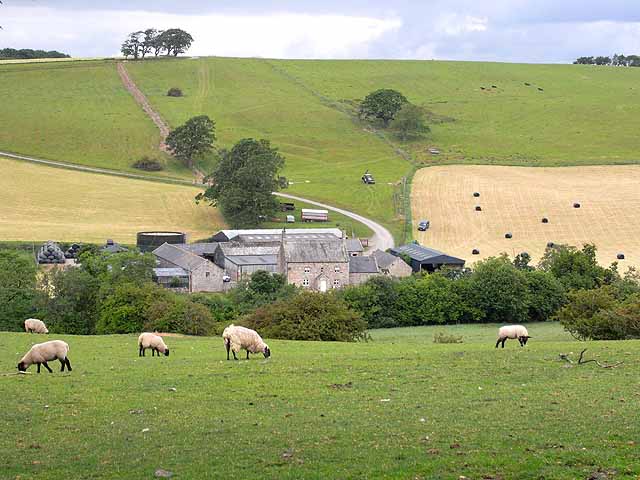
Ultimately, the government's challenge will be to ensure that financial assistance translates into tangible improvements for agricultural businesses. Supporting investment in farming technology and creating favourable conditions for innovation are increasingly important for protecting Britain's food supply, strengthening rural communities and ensuring that the agricultural sector remains resilient in the face of climate and economic uncertainty. Photo by Lanerton Farm by Oliver Dixon, Wikimedia commons.