Glastonbury Festival is preparing for a major comeback in June 2027, with Harry Styles, Billie Eilish, Sam Fender and music legend Cher announced as the headline attractions for one of
the world's most celebrated live music events. The announcement, made by organisers on Wednesday, marks the beginning of the build-up to the festival's return after a scheduled year-long break in 2026.
The star-studded line-up brings together some of the biggest names in contemporary pop, British rock and international music, promising a particularly diverse edition of the five-day event. Styles will make his long-awaited Glastonbury debut, while American singer Billie Eilish will return to the Pyramid Stage for the second time. British singer-songwriter Sam Fender will take one of the festival's coveted headline positions for the first time, and Cher, now 81, has been selected for the prestigious Legends Slot.
For Styles, the performance represents an important milestone in his career. The former One Direction member has established himself as one of the most successful solo performers of his generation, combining chart-topping releases with major international tours. His recent 30-show residency at New York's Madison Square Garden further demonstrated his ability to attract audiences on a global scale. His Glastonbury appearance is expected to be among the most anticipated performances of the 2027 festival, particularly as it will be his first time playing at Worthy Farm.
Eilish, meanwhile, is returning to familiar territory. Her 2022 Glastonbury headline performance, when she became one of the youngest solo artists ever to top the festival's bill, was a defining moment in her international career. Her return reflects her continued influence on contemporary popular music and the festival's commitment to bringing back artists who have established particularly strong connections with its audience.
Fender's promotion to the headline category represents another important moment for British music. The North Shields-born musician has built a substantial following through his emotionally charged songwriting, energetic live performances and distinctive combination of indie rock and alternative influences. His success has helped establish him as one of Britain's leading contemporary singer-songwriters, making his first Glastonbury headline appearance a significant recognition of his growing stature.
One of the most talked-about attractions will undoubtedly be Cher's appearance in the traditional Legends Slot. The American singer, whose career spans more than six decades, is expected to bring a different musical dimension to the festival. Known for international hits including Believe, If I Could Turn Back Time and Strong Enough, Cher has remained an influential figure in popular culture through successive generations of music fans. Her participation also continues Glastonbury's tradition of celebrating legendary performers whose careers have shaped the history of international music.
The initial announcement also includes a number of other prominent performers. Massive Attack, Chase & Status, The xx and Lily Allen are among the acts scheduled to appear, adding further variety to a programme that spans electronic music, alternative rock, pop and contemporary British sounds. Their participation suggests that the 2027 edition will offer considerably more than its headline performances, with a broad selection of established international artists and influential British acts.
The announcement comes after extraordinary demand for tickets. Organisers confirmed that the 2027 festival sold out in just 42 minutes during October's ticket sale, despite the headline performers not yet having been revealed. This underlines Glastonbury's unusual position in the international festival market: its reputation is sufficiently strong that hundreds of thousands of people are prepared to secure tickets before knowing which artists will perform.
The 2027 festival will take place from 23 to 27 June at Worthy Farm, near Pilton in Somerset, south-west England. General admission tickets were priced at £408, including the booking fee, with additional postage and packing charges. Organisers have confirmed that a resale of cancelled or returned tickets is expected in spring 2027. Tickets are personalised and non-transferable, with sales restricted to the festival's authorised ticketing platform.
A festival with more than half a century of history
Glastonbury is not simply a major music festival but one of Britain's most recognisable cultural institutions. Its origins date back to September 1970, when farmer and music enthusiast Michael Eavis organised the first Pilton Pop, Folk and Blues Festival at Worthy Farm. Inspired by the music festivals of the late 1960s, the inaugural event attracted approximately 1,500 people, with tickets costing just £1 and including free milk from the farm.
Over the following decades, the event developed from a relatively small gathering into an international cultural phenomenon. Its programme gradually expanded beyond rock and pop to include electronic music, hip-hop, jazz, folk, theatre, circus performances, comedy, contemporary dance and political discussions. Today, Glastonbury is widely regarded as one of the most influential festivals in the global live entertainment industry.
The Pyramid Stage has become the festival's most recognisable landmark and the setting for some of the most memorable performances in modern music history. However, the event's identity is built around a much larger site, featuring more than 100 stages and performance areas. Thousands of artists, performers and cultural organisations contribute to a programme that extends well beyond the traditional headline concerts.
Another defining feature is its combination of entertainment, social activism and charitable engagement. Glastonbury has maintained close relationships with organisations including Oxfam, Greenpeace and WaterAid, while supporting numerous charitable and environmental initiatives. According to the festival's organisers, recent editions have generated more than £3 million annually for charitable causes and other worthy organisations.
The festival has also become a major media event, with performances regularly broadcast to millions of viewers through the BBC and other platforms. Its influence extends beyond the festival grounds, helping shape musical trends, launch emerging artists and provide established performers with opportunities to reach international audiences.
Why Glastonbury takes a year off
The return in 2027 is particularly significant because Glastonbury did not take place in 2026. The absence was part of the organisers' established practice of introducing so-called fallow years, usually every five years or so, to allow the farmland to recover from the enormous pressure created by the event.
More than 200,000 people, including festival-goers, performers, staff and contractors, can be present at Worthy Farm during the festival period. The temporary infrastructure required to accommodate such numbers places considerable pressure on the site's pastures, soil, roads and surrounding environment.
A fallow year gives the land time to regenerate and allows organisers to undertake maintenance, improve infrastructure and review environmental measures. The decision reflects the particular challenge facing Glastonbury: maintaining its position as one of the world's largest music festivals while preserving the rural landscape that makes it distinctive.
The 2027 edition will therefore represent both a return to the festival's traditional summer schedule and an opportunity to demonstrate how a major international cultural event can balance commercial success, artistic ambition and environmental responsibility.
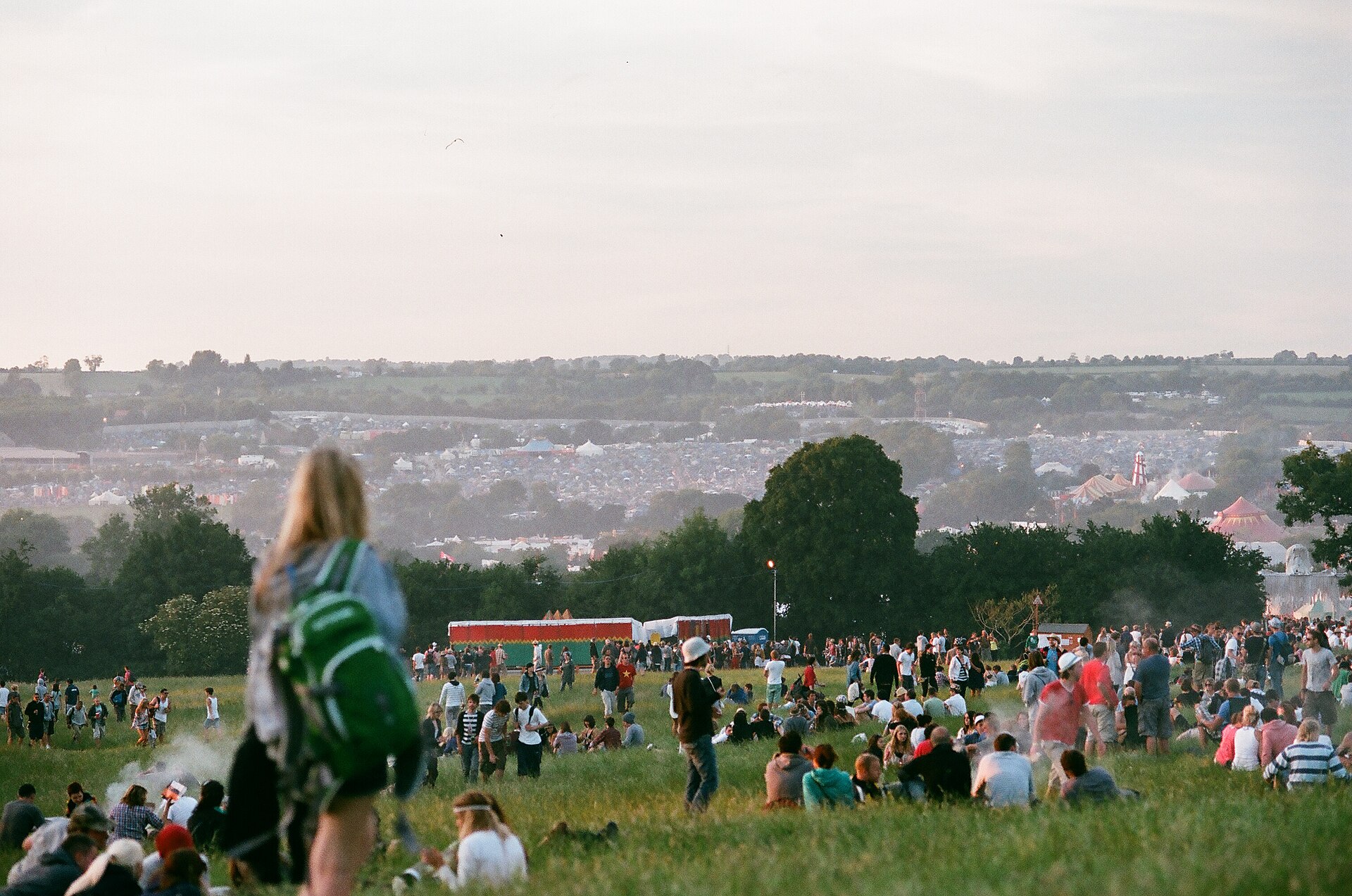
With its headline performers now confirmed, Glastonbury is once again preparing to become one of the central events of Britain's cultural calendar. The combination of Styles' highly anticipated debut, Eilish's return, Fender's breakthrough headline appearance and Cher's legendary status gives the 2027 festival a particularly strong international profile. For organisers and music fans alike, the challenge will now be to turn the enormous expectations surrounding the line-up into another memorable chapter in Glastonbury's history. Photo by Edward Simpson, Wikimedia commons.