
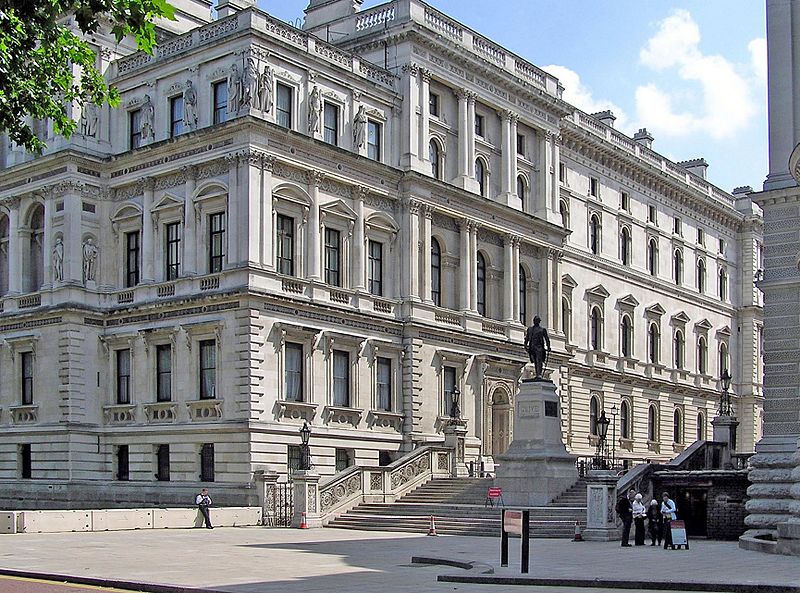
Britain has imposed fresh sanctions on 38 individuals and organisations accused of helping Russia finance its war in Ukraine, with oil tankers, cryptocurrency exchanges and military supply
chains among the latest targets.
The UK Government has announced a new package of sanctions aimed at restricting Moscow’s ability to generate revenue from oil exports, bypass international financial restrictions and obtain equipment for its military industry.
Unveiled by the Foreign Office on Thursday, 8 October, the measures form part of Britain’s continuing effort to weaken the economic and industrial networks supporting Russia’s war against Ukraine.
The latest restrictions cover three key areas: the transport of Russian oil, financial services allegedly used to evade existing sanctions, and the supply of goods that can be used in the production of weapons and military equipment.
Twelve additional oil tankers have been designated over their alleged involvement in Russia’s so-called shadow fleet. These vessels are accused of helping Moscow maintain oil exports while attempting to circumvent restrictions imposed by Western governments.
The package also targets three cryptocurrency exchanges and two payment platforms suspected of enabling Russia to work around financial sanctions. According to the British authorities, two of the designated organisations processed or facilitated transactions linked to the A7 illicit finance network.
A further 17 individuals and organisations have been sanctioned over their alleged involvement in supplying goods considered essential to Russia’s military operations. The targets include Russia-based importers of machine tools, electronic components and industrial materials that can be used to manufacture missiles and drones.
The UK says the measures are intended to disrupt the supply chains that sustain Russia’s defence production while making it more difficult for Moscow to access international financial channels and convert oil revenues into resources for its war effort.
The latest action comes as Britain continues to work alongside international partners to restrict Russia’s access to strategically important goods, services and sources of income. Similar controls have been introduced by the United States and the European Union as part of broader efforts to limit the Kremlin’s capacity to sustain its military campaign.
Moscow has dismissed the effectiveness of the British approach. In a statement reported by Russia’s state news agency RIA Novosti, the Russian Embassy in London argued that successive sanctions packages demonstrate political determination in Britain but fail to achieve their intended objectives.
“Each new sanctions package is intended to demonstrate the resolve of the British authorities, but in reality it highlights the ineffectiveness and futility of the course they have chosen,” the embassy said.
The new designations underline Britain’s continued focus on the financial intermediaries, maritime operators and industrial suppliers suspected of helping Russia maintain its wartime economy. Their longer-term impact will depend on how effectively the restrictions are enforced and whether the targeted networks can be prevented from shifting their activities to alternative companies, payment systems and shipping arrangements. Photo by Adrian Pingstone, Wikimedia commons.