The BBC and Channel 4 have begun preliminary discussions with the UK government about expanding their commercial cooperation, potentially bringing parts of the two public
broadcasters’ operations under a joint structure, according to people familiar with the talks.
The proposals are being considered as both organisations face mounting pressure to reduce costs and adapt to a rapidly changing media market, where traditional television audiences are declining and global streaming platforms are capturing an increasing share of advertising revenue.
One option under consideration would bring together Channel 4’s advertising business, several of its digital and specialist channels, including E4 and Film4, and its streaming services with UKTV, the BBC’s commercially operated television business. According to the sources, the resulting venture could be jointly owned by the BBC and Channel 4.
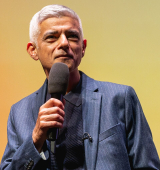
Such an arrangement would go considerably further than previously discussed cooperation between the broadcasters. BBC Director General Matt Brittin has previously indicated that the corporation was considering ways to make Channel 4 programming available through the BBC’s iPlayer platform.
The potential joint venture would not include Channel 4’s main terrestrial channel. The flagship service could instead receive financial benefits from the commercial activities placed within the new structure, according to people familiar with the discussions.
The scope of the proposed partnership has not yet been finalised. One source said discussions could accelerate next year, depending in part on the outcome of negotiations over the BBC’s future funding arrangements with the government. Additional assets could also be considered as the talks develop.
The initiative is being discussed with UK Government Investments (UKGI), which oversees the government’s interests in publicly owned commercial assets, including Channel 4.
Neither broadcaster confirmed the details of the discussions. The BBC said greater cooperation between Britain’s public service broadcasters was important to help the sector compete internationally.
Channel 4 likewise declined to comment on the specific proposals, but said it supported closer collaboration across public service media, arguing that joint working could strengthen the sector’s impact, innovation and long-term sustainability.
The broadcaster noted that it already has commercial links with the BBC, including selling advertising for UKTV and carrying the service U on its streaming platform.
Channel 4 is publicly owned but relies primarily on advertising and commercial income, while the BBC is predominantly financed through the television licence fee paid by households.
Broadcasters under pressure to cut costs
A deeper partnership would mark a significant development in the relationship between the two organisations and could become one of the most substantial changes to Britain's public broadcasting landscape since the government abandoned plans to privatise Channel 4.
The previous Conservative government proposed selling Channel 4 in 2022, arguing that private ownership could give the broadcaster greater access to investment. The proposal faced strong opposition from politicians and the UK broadcasting industry before being dropped in 2023.
Since then, attention has shifted towards greater cooperation between the country's public service broadcasters as they attempt to respond to the rapid migration of audiences from traditional television to online platforms.
The BBC and Channel 4 have already explored ways of sharing programming. Channel 4 currently makes some UKTV programming available through its streaming service, while its commercial arm has a long-standing role in selling advertising for UKTV.
Channel 4 chief executive Priya Dogra said recently that the broadcaster had ruled out a full merger with the BBC but remained open to making more of its content available through iPlayer.
Both organisations are also implementing significant cost-cutting programmes.
The BBC announced in June that it would eliminate around 550 jobs as part of a wider plan to reduce spending by £500 million over three years. Channel 4, meanwhile, announced plans last month to cut around 340 positions — more than a quarter of its workforce — after reducing its pre-tax deficit to £10 million in 2025.
Channel 4 has also agreed to combine its advertising sales operations with Paramount Skydance's Channel 5, highlighting the wider trend towards collaboration and consolidation across Britain's television industry.
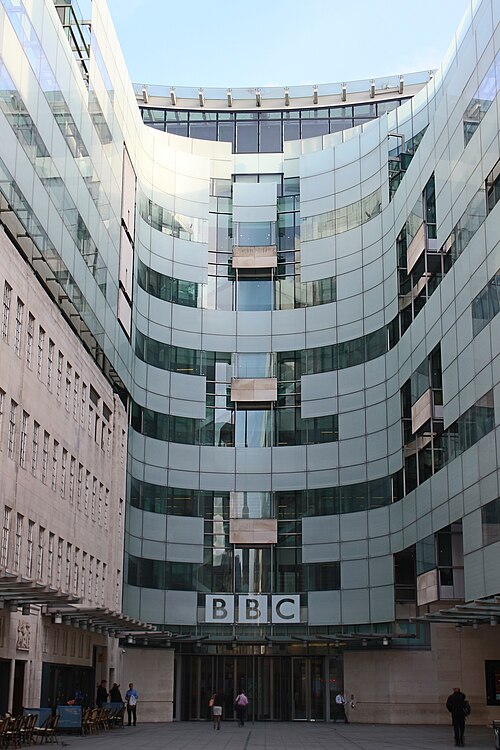
If the BBC-Channel 4 proposal progresses, it could give both organisations a larger commercial operation, reduce duplicated costs and strengthen their ability to compete with major global streaming and advertising platforms, while allowing the BBC and Channel 4 to retain their separate core public-service identities. Photo by Suicasmo, Wikimedia commons.