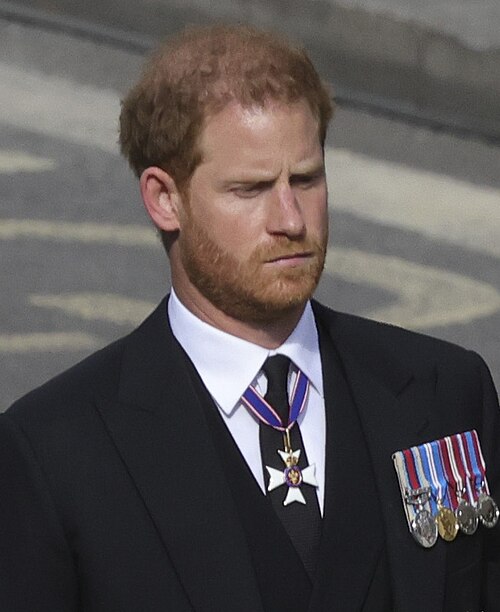
The Duke of Sussex has spoken about experiencing a period of depression shortly after leaving the UK in 2019, describing how the sudden absence of stress left him struggling to function
as he adjusted to a new life abroad.
Prince Harry made the revelations during an online masterclass on grief and emotional wellbeing, in which he reflected on his mental health, the loss of his mother, Diana, Princess of Wales, and the difficulties he faced in coming to terms with her death.
Harry and his wife, Meghan, Duchess of Sussex, initially moved to Canada in 2019 before settling in California after stepping back from their official royal duties. The prince said his decision to leave Britain was partly motivated by a desire to escape a stressful environment and find some emotional distance.
However, the transition proved more difficult than he had anticipated. Speaking about his first days in Canada, Harry recalled experiencing what he described as an abrupt drop in adrenaline after leaving behind the pressures of his previous life.
Within two or three days, he said, the physical and emotional effects became apparent.
According to the duke, he spent approximately two weeks experiencing depression and found it difficult to manage ordinary daily activities without the heightened state of alertness to which he had become accustomed.
He explained that he had relied so heavily on stress and adrenaline that their sudden absence left him feeling unable to function normally around the house.
Harry's account offers a further insight into the emotional challenges he has described since leaving the royal family, as well as his continuing efforts to understand how earlier experiences shaped his adult life.
A mother's death and years of suppressed grief
During the discussion, Harry also spoke about the lasting psychological impact of losing his mother when he was 12 years old.
He said that, for many years, he struggled to allow himself to experience happiness without feeling that doing so somehow betrayed Diana's memory.
The prince described spending much of his youth and early adulthood feeling emotionally disconnected, believing that sadness was necessary to demonstrate how deeply he missed his mother.
In his 20s, he served in Afghanistan on two occasions as a member of the British Army. Looking back, he suggested that he had hoped military service and its intense demands might help him escape difficult emotions.
Instead, the grief remained unresolved.
Harry explained that he had come to associate happiness with disloyalty, leaving him feeling that he needed to remain sad or emotionally numb to honour his mother's memory.
His reflections echo comments he and his elder brother, Prince William, have made over the years about the challenges of growing up following Diana's death. Both brothers have also supported initiatives aimed at raising awareness of mental health and encouraging people to speak openly about emotional difficulties.
Therapy helped him confront painful memories
Harry said he went nearly two decades without crying after shedding tears at his mother's funeral, according to reports of the discussion.
A turning point came through therapy, when a therapist suggested that he use Diana's perfume as a way of reconnecting with memories and emotions he had long kept at a distance.
The experience helped him reconsider his understanding of grief. Harry said he came to recognise that his mother would have wanted him to find happiness rather than feel obliged to remain trapped in sadness.
The online session also featured neuroscientist Mary-Frances O'Connor, a professor at the University of Arizona whose research focuses on grief and the brain.
O'Connor explained that the brain does not immediately adjust to the permanent absence of someone close. Instead, it continues to anticipate their return, repeatedly searching for a person who is no longer there.
According to her explanation, the process of grieving involves gradually learning to understand and accept that absence, even while the emotional bond with the deceased remains.
The discussion explored how grief can influence behaviour and emotional wellbeing long after a bereavement, particularly when painful feelings are avoided rather than confronted.
Harry's life away from royal duties
Harry's latest comments come as he and Meghan continue to navigate life outside the British royal family. The couple stepped back from their official responsibilities in 2020 and subsequently established their home in the United States.
The prince said he had also adopted a personal rule of not spending more than 10 days away from his family, reflecting the importance he places on maintaining close relationships with his wife and children.
The couple have two children, Prince Archie and Princess Lilibet.
Their family life has remained a subject of public interest, particularly following recent reports that they returned to the UK with their children after several years living abroad. The circumstances of their reported return and their longer-term plans remain a focus of attention.
Harry's appearance in the online programme was arranged last year and filmed in California over the summer, according to People magazine. The masterclass is part of a paid online learning platform's series examining grief and ways of coping with loss.
His account adds to a broader public conversation about bereavement, emotional suppression and the importance of seeking help. By revisiting his experiences, the duke has highlighted how unresolved grief can shape a person's sense of identity and their ability to experience happiness long after a loss. Photo by UK Government, Wikimedia commons.