Millions of motorists across the UK will have a new way to compare petrol and diesel prices after Google Maps began displaying near real-time fuel costs at filling stations.
The new feature, introduced on Thursday 8 October, integrates the government’s Fuel Finder data into Google Maps, allowing drivers to search for nearby petrol stations and see current prices before deciding where to refuel.
The move is designed to make it easier for motorists to identify cheaper fuel in their area and increase competition between forecourts. The government estimates that a typical household with a car could save around £40 a year by comparing prices.
The initiative comes as fuel costs remain under pressure amid the continuing conflict in the Middle East, which has contributed to higher energy and transport costs. Ministers argue that giving consumers clearer information about prices can provide some relief to household budgets.
Energy Consumers Minister Polly Billington said making fuel prices easier to compare would help families and businesses reduce everyday costs.
She described the integration of Fuel Finder with Google Maps as a significant step towards making price information readily accessible, allowing motorists to make more informed choices about where they fill up.
Chancellor John Healey said the new service would make it simpler for drivers to find competitive prices, while acknowledging that wider geopolitical developments had pushed up household bills.
He said the government was also pursuing other measures intended to ease pressure on household finances, including reductions in electricity-related taxation and a £2 cap on bus fares.
Fuel Finder expands its reach
The government introduced Fuel Finder following recommendations from the Competition and Markets Authority (CMA) aimed at strengthening competition in the UK fuel market.
Since February, petrol stations have been legally required to report changes in their petrol and diesel prices within 30 minutes. Failure to comply can result in enforcement action and fines.
The scheme now captures approximately 99% of fuel sold on UK roads, according to the government, meaning the vast majority of motorists should be able to access current pricing information.
Fuel Finder data is already available through a number of motoring and price-comparison services, including Waze, Petrol Prices, the AA, Confused.com and RAC Fuel Watch.
Its arrival on Google Maps is expected to significantly expand the number of drivers able to compare prices while planning their journeys.
Google's Director of Global Product Partnerships for Geo, Sarah-Jayne Williams, said integrating Fuel Finder information into Google Maps and Waze would give motorists greater visibility of nearby fuel prices and help them make choices that fit their budgets.
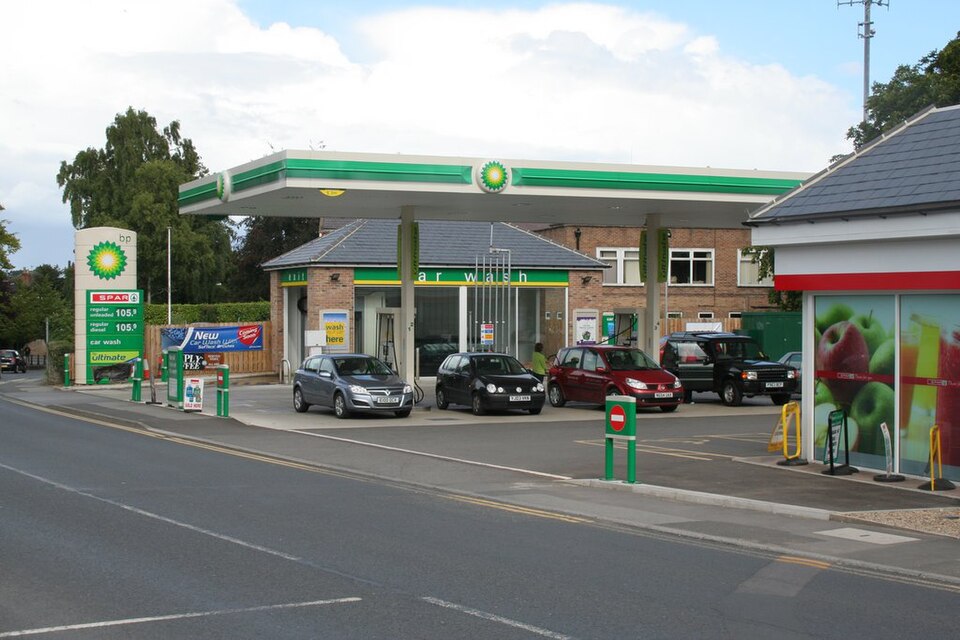
The government says the expansion of the service is intended not only to help individual drivers save money, but also to encourage forecourts to compete more actively on price. Photo by Mark Anderson, Wikimedia commons.