A fresh wave of investment is accelerating the transformation of bus services across England, as the government commits an additional £3 million to help regional leaders take greater control
of local transport networks.
The funding will support six mayoral authorities in moving toward a franchised bus model—an approach that allows local governments to design routes, set fares, and prioritize passenger needs. The move marks another step in what officials describe as the most significant reform to bus services in a generation.
A shift toward local control
Under the franchising model, buses are no longer run purely by private operators deciding routes based on profitability. Instead, local authorities can shape services around communities—improving reliability, expanding coverage, and ensuring better value for passengers.
The latest funding will benefit:
- Liverpool City Region
- North East
- West Yorkshire
- South Yorkshire
- West Midlands
- Cambridgeshire and Peterborough
These regions are expected to follow the example of Greater Manchester’s Bee Network, widely seen as a blueprint for integrated, passenger-focused transport.
Cheaper fares and expanded access
Across the country, councils are already using government funding to roll out initiatives aimed at easing the cost of living:
- £1 fares for under-21s in the North East
- Free travel for under-18s in Barnsley
- Extended £1 fare cap for children in parts of the West of England
- Continued £2 fare cap and new express routes in Liverpool
In rural areas, investment is addressing long-standing transport gaps. A new route linking Great Yarmouth, Caister, and Norwich is connecting previously isolated villages to jobs, schools, and essential services—highlighting a broader push to improve mobility outside major cities.
The bigger policy picture
This funding sits within a wider government bus policy framework focused on three key goals:
- Affordability – National fare caps, including the £3 maximum single fare, aim to keep bus travel accessible.
- Accessibility – Expanding routes to underserved rural and suburban areas ensures more people can rely on public transport.
- Local Accountability – Franchising gives local leaders the power to tailor services to real community needs rather than commercial priorities.
Backed by more than £3 billion through the Local Authority Bus Grant (2026–2029), the policy represents a long-term commitment to rebuilding bus networks as a core public service.
A network in transition
Transport leaders say the changes are already making a difference. More frequent services, better connections, and lower fares are encouraging passengers back onto buses—especially in areas where options were previously limited.
The broader aim is to create a system that is not only more efficient but also fairer—ensuring that young people, rural residents, and lower-income households are not left behind.
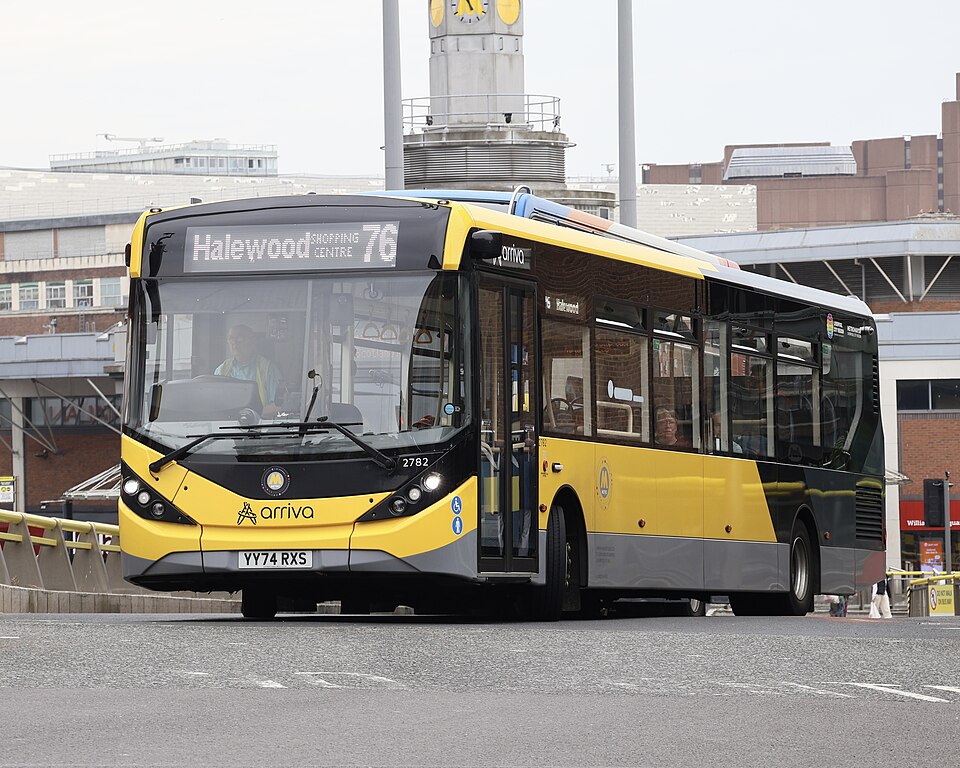
As franchising expands and investment continues, England’s bus network is undergoing a quiet but significant transformation—one that could redefine how millions travel every day. Photo by S5A-0043, Wikimedia commons.