British Airways is reshaping its global network, cutting back operations in the Middle East while accelerating expansion in Asia and Africa, as ongoing geopolitical tensions continue to disrupt
long-haul travel.
The airline announced it will reduce flights to key Middle Eastern destinations once services resume, including scaling down routes to Dubai, Doha, and Tel Aviv to just one daily service starting July 1. Meanwhile, flights to Riyadh will be cut from two per day to one beginning in mid-May. The carrier is also permanently dropping Jeddah from its route map.
These changes come after months of disruption triggered by escalating conflict in the region, which has severely impacted global aviation. The crisis forced the cancellation of more than 21,000 flights and tightened already limited air corridors between Europe and Asia, creating logistical challenges for international airlines.
Rather than maintaining capacity in an unstable region, British Airways is shifting focus to faster-growing markets. The airline plans to introduce additional daily flights to Bengaluru and Nairobi, while increasing seat availability on routes to Delhi and Hyderabad. This pivot reflects stronger demand and more stable operating conditions in these regions.
The revised schedule will remain in place through the summer season, which runs until October 24. One of the suspended Dubai services is expected to return later, on October 16.
In a statement, the airline emphasized it is closely monitoring developments and working directly with affected passengers to provide flexible travel options.
British Airways: a brief look at its development
Founded in 1974, British Airways has grown into one of the world’s leading international carriers and a core member of the International Airlines Group (IAG). Over the decades, the airline has built a vast global network centered around its hub at London Heathrow, connecting Europe with North America, Asia, Africa, and beyond.
In recent years, British Airways has focused heavily on modernization and efficiency—investing in new aircraft like the Airbus A350 and Boeing 787, upgrading cabin products, and optimizing routes in response to shifting global demand. The COVID-19 pandemic forced a major reset, accelerating fleet retirements and prompting a stronger emphasis on profitability over sheer network size.
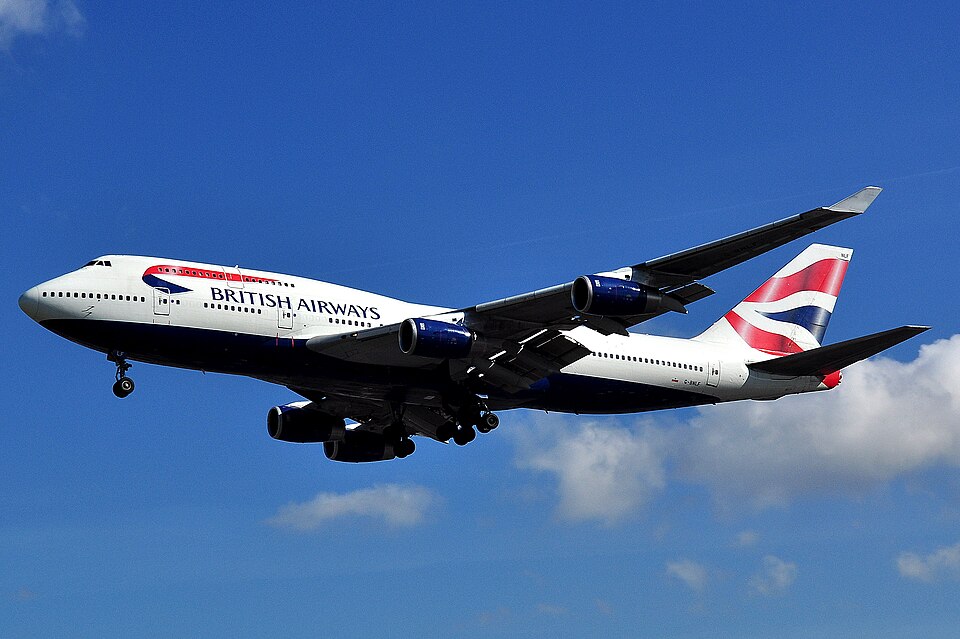
Today’s strategic pivot away from volatile regions toward high-growth markets like India and Africa highlights how the airline continues to evolve—balancing geopolitical risks with long-term expansion opportunities in emerging economies. Photo by Eluveitie, Wikimedia commons.