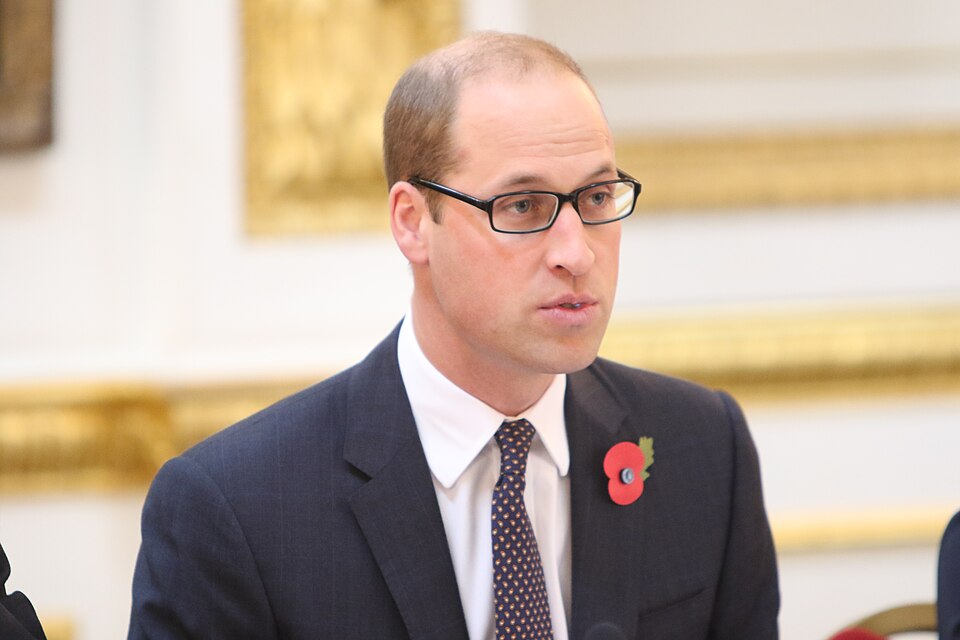
Britain’s Prince William is preparing to sell parts of the vast Duchy of Cornwall estate over the next decade as part of an ambitious plan to channel more than £500 million ($670 million) into
affordable housing, environmental initiatives, and local community development.
The move marks one of the most significant strategic shifts in the management of the Duchy — a sprawling land and property empire that has provided income to the heir to the British throne for centuries. According to reports in The Times, the planned disposals could amount to roughly 20% of the estate’s holdings.
The Duchy of Cornwall, established in 1337 by King Edward III, is one of Britain’s largest private landowners. Covering more than 130,000 acres across England and Wales, the estate includes farmland, forests, rivers, commercial developments, luxury residential properties, holiday rentals, and parts of central London. It also owns business parks, retail space, and large tracts of rural coastline, making it a major force in the British property market.
William inherited control of the Duchy in 2022 after the accession of his father, King Charles III. The estate generated more than £20 million in private income for the prince last year, funding both official duties and family expenses.
Duchy Chief Executive Will Bax said the restructuring was intended to create stronger social impact rather than simply preserve wealth.
“The Duchy should exist to make a positive impact, particularly in the communities where we can make the biggest difference,” Bax said.
“That ambition requires significant investment and, in some cases, means rebalancing what we own in order to be as impactful as possible to our communities, now and in the future.”
Bax added that the investment programme would be financed primarily through reinvesting capital generated from asset sales, alongside development income, strategic partnerships, and limited borrowing.
The Duchy’s property portfolio has increasingly come under public scrutiny in recent years, especially over questions surrounding transparency, tenant relations, and the use of public-sector leases. In 2024, a Sunday Times investigation and a television documentary alleged that estates controlled by King Charles and Prince William generated millions of pounds through rental agreements involving the National Health Service, the armed forces, and schools.
The reports intensified debate over the role of royal wealth in modern Britain and prompted calls for reforms in how royal estates operate. Following the criticism, the Duchy reduced rents for several charity and community-based tenants.
William has reportedly taken a more hands-on approach to the estate since inheriting it, with aides describing him as focused on modernising the Duchy and aligning it more closely with social and environmental priorities. Sources close to the prince say the future strategy will place greater emphasis on sustainable housing, renewable energy projects, biodiversity restoration, and support for rural communities struggling with rising living costs.
The Duchy’s housing developments are expected to play a central role in the new vision. Projects under consideration include mixed-income housing schemes, energy-efficient homes, and regeneration initiatives aimed at younger families and key workers priced out of many parts of southern England.
Analysts say the planned sell-off reflects a broader generational shift within the monarchy, as Prince William seeks to present the royal estate not only as a source of private income but also as a vehicle for public benefit and long-term community investment. Photo by Foreign and Commonwealth Office, Wikimedia commons.