Saltwater, freezing depths, heat, and relentless currents make the ocean one of the most punishing environments on the planet. For ships—especially naval vessels—
those forces steadily eat away at metal components, driving up maintenance costs and forcing vessels out of service for repairs.
Now, a new research collaboration is asking a bold question: 'what if ship metals could be designed to last far longer at sea?'
That’s exactly the challenge being tackled by Defence Science and Technology Laboratory (Dstl) and Swansea University, which are using artificial intelligence (AI) and machine learning (ML) to design advanced metal alloys built for extreme marine environments.
Designing durability with data
Traditional shipbuilding materials often struggle to deliver the long service life demanded by modern naval operations. Corrosion, fatigue, and environmental stress all take their toll. Instead of relying on slow, trial-and-error testing, researchers are now turning to AI to rapidly explore thousands of material combinations.
By analysing vast datasets, machine-learning models can predict which alloys are most likely to resist corrosion and degradation in saltwater conditions. The goal is to develop metals that are not only tougher, but also more reliable and cheaper to maintain over their lifetime.
If successful, these new materials could be used across ships and maritime equipment, helping vessels stay operational for longer while reducing maintenance burdens.
Backed by a major UK research partnership
The work is funded through the Defence Materials Centre of Excellence (DMEx), a £42.5 million national research partnership led by University of Manchester and the Henry Royce Institute, alongside 23 partner organisations.
Within DMEx, the new AI-driven approach will allow scientists to design, test, and refine advanced materials at unprecedented speed. Industry partners are already being engaged to ensure promising discoveries can move quickly from the lab into real-world use.
International interest is also growing, with allied nations exploring opportunities to collaborate on future developments.
Why it matters
The implications for naval capability are significant. Longer-lasting materials could cut repair costs, reduce downtime, and keep fleets ready for deployment when they’re needed most. Beyond defence, the same technologies could eventually influence civilian shipbuilding and offshore engineering.
More broadly, the project highlights how digital innovation and scientific excellence can combine to deliver practical benefits—supporting the UK’s ambitions for a step-change in defence capability through advanced technology.
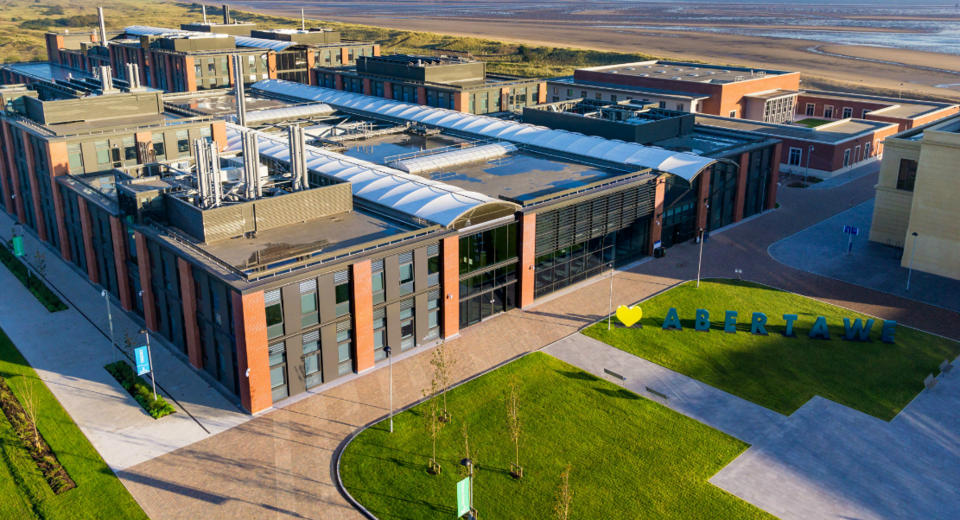
In the fight against the ocean’s corrosive power, AI may soon give ships a much stronger chance of winning. Photo by Rhys1234567890, Wikimedia commons.