Taiwan has declared that it must independently monitor and survey its surrounding waters, warning that control over maritime information is becoming increasingly important to the
island’s security amid mounting pressure from China.
Kuan Bi-ling, head of Taiwan’s Ocean Affairs Council, which oversees the island’s Coast Guard, said on Monday that Taiwan’s ability to safeguard its maritime territory depends on developing its own ocean-surveying capabilities and maintaining control over critical intelligence.
Speaking at a maritime drone forum in the southern city of Tainan, Kuan stressed that the ocean is central to Taiwan’s economic survival, energy security and the movement of essential supplies.
She also highlighted Taiwan’s strategic position along some of the world’s most important shipping corridors, which play a crucial role in international trade and global supply chains.
“Protecting these waters concerns not only the daily lives of Taiwan’s people but also global economic development,” Kuan said, emphasising that maritime security has implications extending far beyond the island itself.
Her remarks come as Taiwan reports an intensification of Chinese activities around its maritime boundaries. Taipei has accused Beijing of using both Coast Guard vessels and scientific research ships to challenge Taiwan’s claims and expand its presence in waters surrounding the island.
Kuan described the growing pressure as part of a broader campaign of so-called grey-zone operations — activities designed to undermine Taiwan’s security and exhaust its defence capabilities without triggering an open military confrontation.
She said Taiwan’s Coast Guard must strengthen its operational capacity, acquire additional equipment and improve its intelligence-gathering systems to identify potential threats at an earlier stage and respond more effectively.
“Taiwan’s ocean must be surveyed by ourselves, and we must master our own information,” Kuan said, underlining the importance of independent maritime monitoring.
The latest developments follow a Chinese Coast Guard patrol near Taiwan’s eastern coastline announced by Beijing on Saturday. Taiwanese authorities have also reported multiple encounters with Chinese research vessels operating in the vicinity of the island this year.
China’s military maintains an almost daily presence around Taiwan, adding to the pressure on the island’s security forces.
Beijing considers Taiwan part of its territory and does not recognise the island’s sovereignty claims. Taiwan, however, is governed by a democratically elected administration that rejects China’s jurisdiction over its surrounding waters.
Taipei argues that Chinese patrols seeking to enforce Beijing’s maritime claims violate international law and represent an attempt to establish control through persistent pressure rather than direct military action.
Taiwan has also accused China of targeting commercial shipping through radio communications in areas where, according to Taipei, Beijing has no legal authority.
The growing number of maritime encounters has intensified concerns over the security of shipping routes surrounding Taiwan, particularly given the island’s importance to international trade and global supply chains.
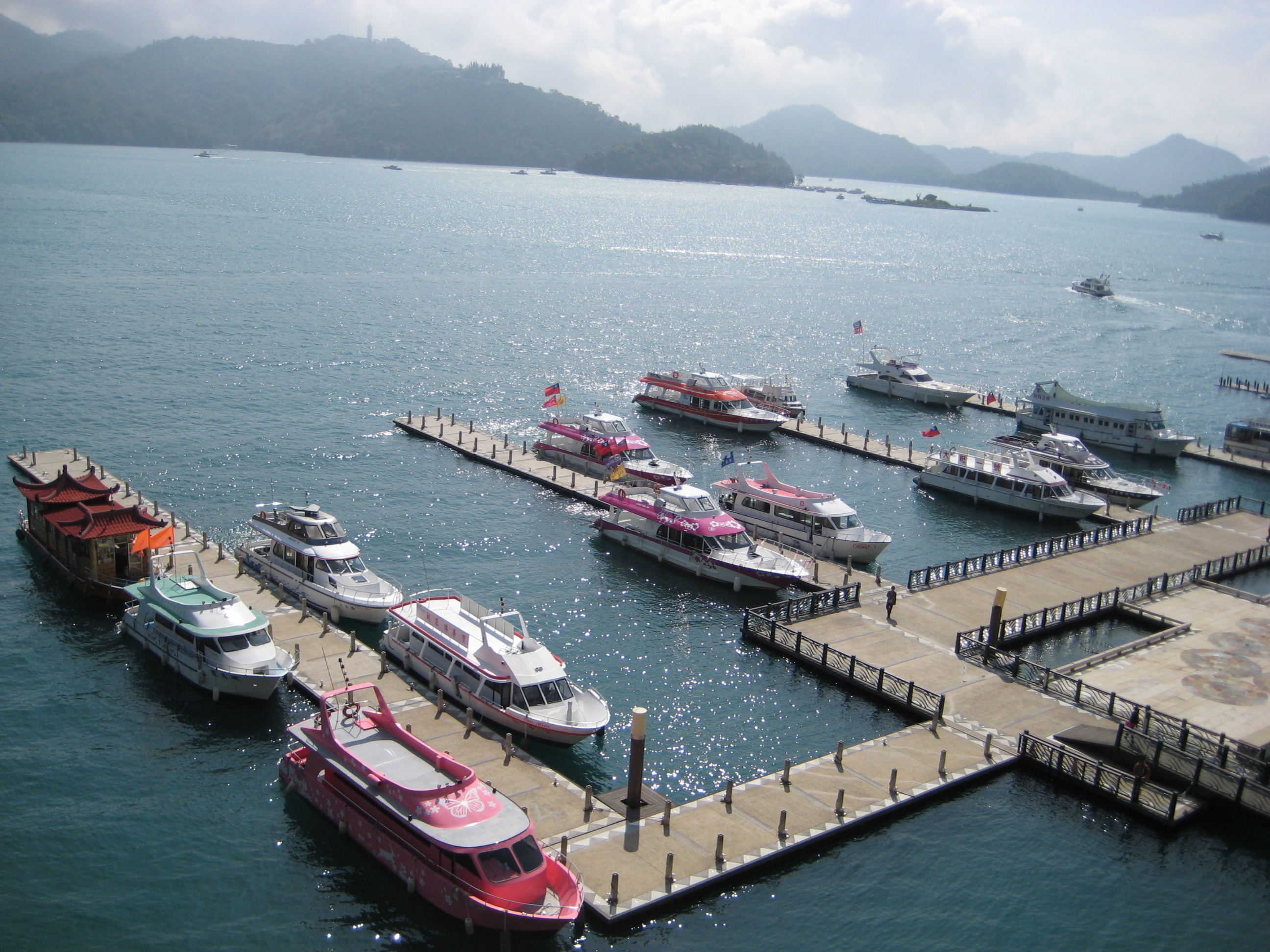
For Taiwan, strengthening its maritime surveillance capabilities is therefore not simply a matter of improving Coast Guard operations. It is increasingly viewed as a strategic necessity for protecting the island’s territorial claims, economic infrastructure and ability to respond independently to Chinese pressure. Photo by Webbyj, Wikimedia commons.