
Manchester City’s growing crisis took another turn for the worse on Saturday as a disappointing 1-1 draw against Fulham at the Etihad Stadium prompted angry reactions from supporters
and raised fresh questions about the club’s ability to recover its position among England’s leading teams.
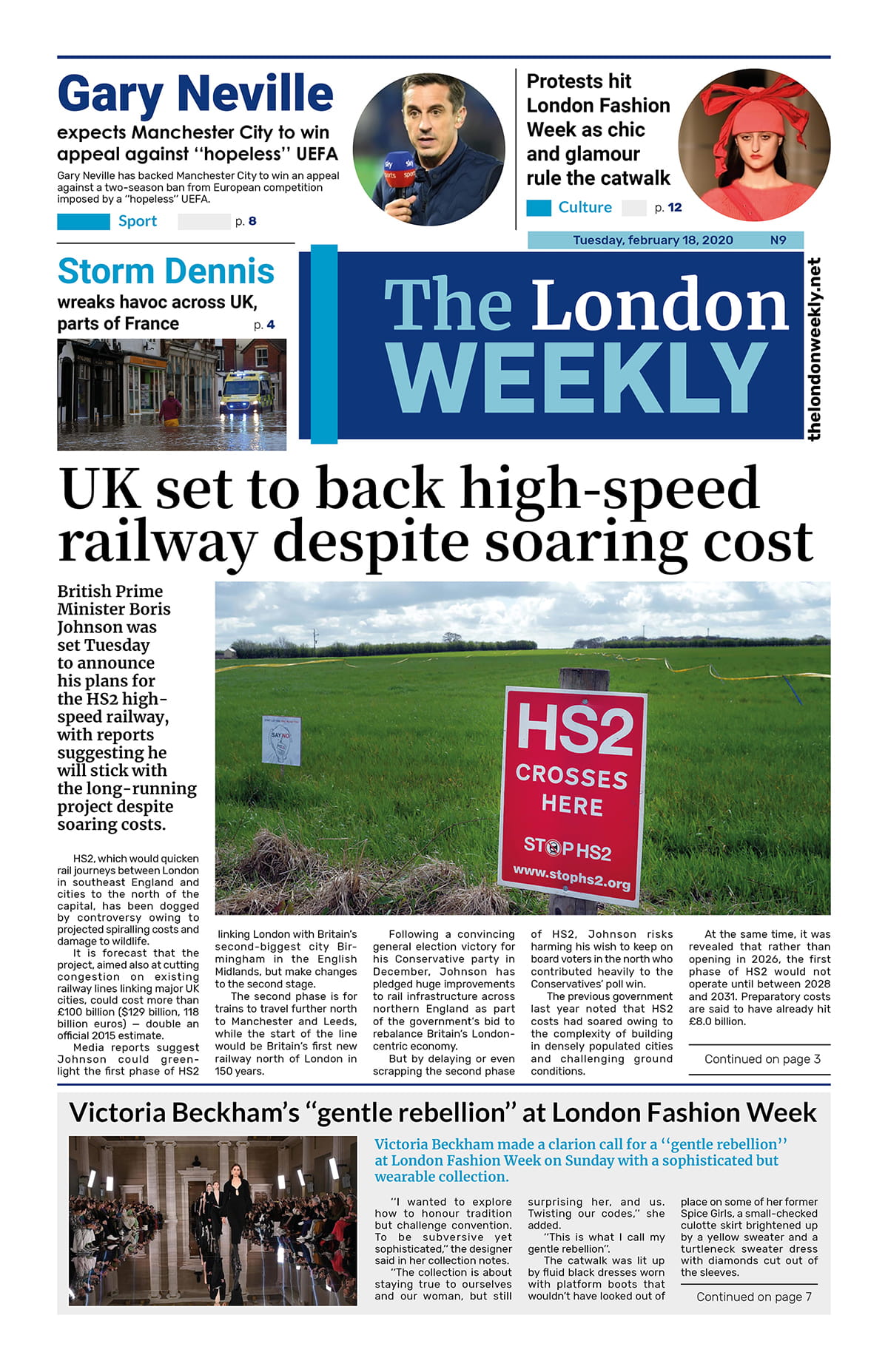
Only weeks after beginning the Premier League campaign with seven consecutive victories, City have suddenly lost their momentum. Enzo Maresca’s side have now gone four league matches without a win, losing three of their last four games and collecting just one point from their latest encounter.
The latest setback was particularly damaging because it came at home against a Fulham side that had struggled historically against City. The London club ended a remarkable sequence of 20 consecutive defeats against the Manchester side, securing its first point in the fixture in 15 years.
For City, however, the most worrying aspect was not simply the result but the manner in which it was achieved. A team accustomed to controlling matches, dictating the tempo and overwhelming opponents with sustained attacking pressure looked unusually hesitant, disorganised and short of confidence.
The frustration inside the Etihad Stadium became increasingly apparent as the match progressed. Thousands of supporters began leaving before the final whistle, while those who remained greeted the players with a loud chorus of boos. Maresca walked towards the tunnel with a visibly disappointed expression, reflecting the increasingly uncomfortable atmosphere surrounding the club.
The statistics underline the scale of City's deterioration. Their three defeats in the last four Premier League matches equal the number of losses they suffered across their previous 36 league games. They have also conceded goals in nine consecutive matches in all competitions, highlighting defensive weaknesses that were rarely associated with the club during its most successful recent seasons.
A club built on success faces a difficult transition
The situation represents a significant challenge for one of the most successful English football clubs of the modern era.
Manchester City’s transformation began in September 2008, when the club was acquired by Abu Dhabi United Group, led by Sheikh Mansour bin Zayed Al Nahyan. The takeover brought substantial financial investment, enabling City to attract internationally recognised players, strengthen their infrastructure and gradually establish themselves as a dominant force in English and European football.
The first major breakthrough came in 2011, when Roberto Mancini guided City to their first FA Cup triumph in 35 years. A year later, the club won the Premier League for the first time since 1968, with Sergio Agüero's dramatic stoppage-time goal against Queens Park Rangers becoming one of the most memorable moments in English football history.
However, the most successful chapter of City's development came under Pep Guardiola, who took charge in 2016. His arrival transformed the team's playing philosophy, introducing a possession-based system built around technical ability, tactical flexibility and aggressive pressing.
Under Guardiola, City established themselves as one of Europe's strongest sides, winning multiple Premier League titles and completing a historic treble in the 2022-23 season, when they secured the Premier League, FA Cup and Champions League in the same campaign. Their subsequent fourth consecutive league title in 2024 further underlined the scale of their domestic dominance.
The Guardian+1
That legacy makes the current difficulties particularly significant. City are no longer simply fighting to recover lost points; they are attempting to preserve a footballing structure and winning mentality developed over more than a decade.
The club has also invested heavily beyond the first team. Its Etihad Campus includes extensive training facilities, an academy and infrastructure designed to support the development of young footballers. Manchester City are also part of the City Football Group, an international network of clubs with operations across several countries. This model has helped turn the organisation into a global football business rather than simply a successful Premier League team.
Financial controversy adds to the pressure
The team's declining performances are unfolding against the backdrop of an unprecedented legal dispute with the Premier League.
The controversy surrounding City's finances has been developing since 2018, when the league began investigating allegations concerning the club's financial reporting and compliance with competition regulations. In February 2023, the Premier League formally announced more than 100 alleged breaches covering several seasons between 2009 and 2018.
The situation took a significant turn on 29 September 2026, when an independent commission found Manchester City guilty of all charges relating to serious financial-rule breaches over a nine-season period. The commission also upheld the majority of allegations concerning the club's failure to cooperate with the investigation.
According to the Premier League, the commission found that arrangements involving commercial sponsorships and other financial transactions had artificially increased reported revenues and reduced costs by more than £900 million. The league said the findings demonstrated systematic breaches of its financial regulations.
The consequences remain a major concern for the club. The commission's findings opened the way for a separate process to determine sanctions, while Manchester City retained the right to appeal. The club has consistently denied wrongdoing and challenged the allegations.
Although the financial proceedings and the team's performances are separate matters, their simultaneous development has added to the uncertainty surrounding the club. The outcome could have implications extending beyond the first team, potentially affecting City's finances, reputation and long-term strategic planning.
Anderson offers a glimpse of hope
On the pitch, Elliot Anderson provided one of the few positive moments against Fulham.
The midfielder, who joined City from Nottingham Forest during the summer transfer window, brought his team level in the 57th minute with a well-struck volley into the bottom corner.
Anderson said the players were frustrated by their recurring tendency to concede the opening goal but insisted that the squad remained committed to reversing the situation.
He acknowledged that City had played with greater intensity after the interval, pressing higher and creating more opportunities, but admitted that the team had been unable to find the decisive second goal.
For Maresca, the immediate priority is to restore confidence and improve the defensive organisation that has become a weakness during the recent run of matches.
The manager said his players had been anxious after falling behind and pointed to an improved second-half performance. He also stressed that the team needed to make better decisions in attacking positions if they were to convert their chances into victories.
City now face an important Champions League encounter against Napoli on Tuesday, before travelling to face Premier League leaders Arsenal.
The Arsenal fixture could prove particularly revealing. A few weeks ago, a meeting between the two sides would have been viewed as a potential title decider. Given City's recent results, it is increasingly becoming a test of whether Maresca can prevent the team's decline from turning into a prolonged crisis.
For a club that has become accustomed to trophies, record-breaking seasons and dominance at the highest level, the atmosphere at the Etihad Stadium represents an uncomfortable change.
The boos following the Fulham draw suggest that supporters are beginning to lose patience. City still possess considerable financial resources, an established international reputation and a squad containing considerable individual quality. But rebuilding the confidence, intensity and consistency that characterised their recent golden era may prove considerably more difficult than expected.
The coming weeks will therefore be crucial in determining whether this is merely a temporary loss of form or the beginning of a much deeper period of instability at Manchester City. Photo by Ank kumar, Wikimedia commons.