Russia’s human rights commissioner, Yana Lantratova, travelled towards the Russian-controlled Ukrainian town of Oleshky on Thursday accompanied by four journalists from the American
media outlet Newsmax, as a temporary ceasefire created an opportunity to deliver humanitarian assistance and evacuate civilians trapped by the fighting.
The mission is taking place under a six-day truce brokered by the United States, which came into force early on Tuesday. The agreement is intended to facilitate the delivery of essential supplies and allow residents wishing to escape the besieged town to leave safely.
Lantratova’s visit coincided with a separate journey by Ukraine’s human rights ombudsman, Dmytro Lubinets, who was also heading towards the Oleshky area. The parallel efforts come amid mounting concerns about the conditions facing civilians, who have endured repeated shelling and acute shortages of food and medicine.
Both Moscow and Kyiv have accused the other side of contributing to the humanitarian crisis. However, neither country had reported any violations of the US-mediated ceasefire as of Thursday, raising hopes that the temporary suspension of hostilities could enable aid operations to proceed.
Kremlin spokesman Dmitry Peskov said preparations were under way to make humanitarian deliveries possible, with demining operations taking place in the affected area.
According to the Interfax news agency, Peskov expressed hope that residents would be able to receive assistance safely and without interference on Thursday or Friday. He also indicated that arrangements were being made to facilitate the departure of civilians seeking to leave the town.
The ceasefire was brokered by US First Lady Melania Trump, with Pope Leo also involved in the diplomatic efforts. Its provisions cover Oleshky and surrounding areas, extending across parts of the wider Kherson region.
The region has experienced years of persistent attacks involving drones and artillery, leaving communities exposed to continuing security risks and disrupting access to essential services.
The humanitarian operation represents a rare pause in the fighting, offering a limited window for aid deliveries and civilian evacuations. Its success will depend on maintaining the ceasefire, clearing potential explosive hazards and ensuring that humanitarian workers and residents can move through the affected territory without coming under attack.
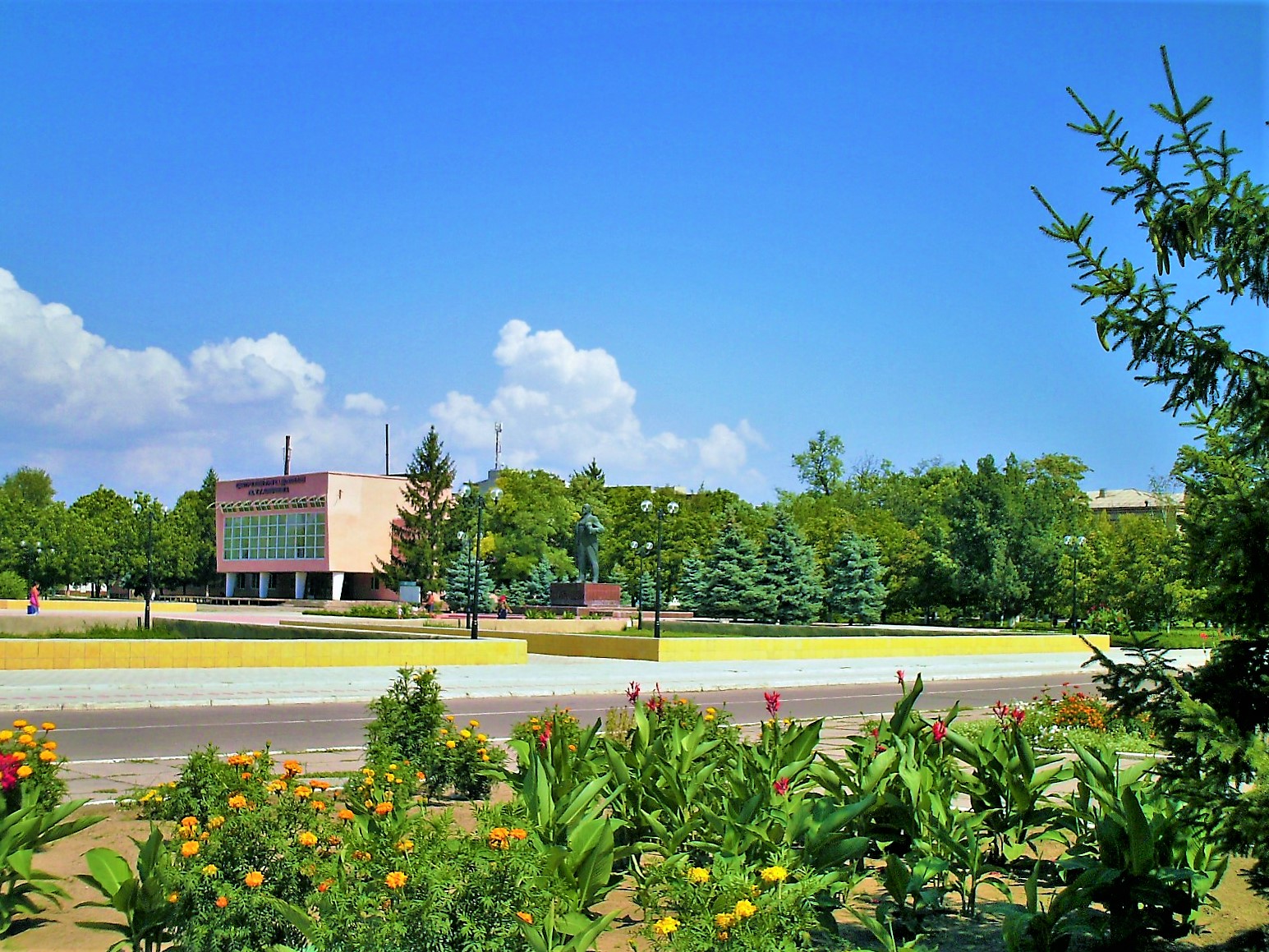
With civilians facing severe shortages and ongoing insecurity, the coming days will be critical in determining whether the temporary truce can translate into meaningful relief for those trapped in Oleshky. Photo by ru:user:Gottinight, Wikimedia commons.