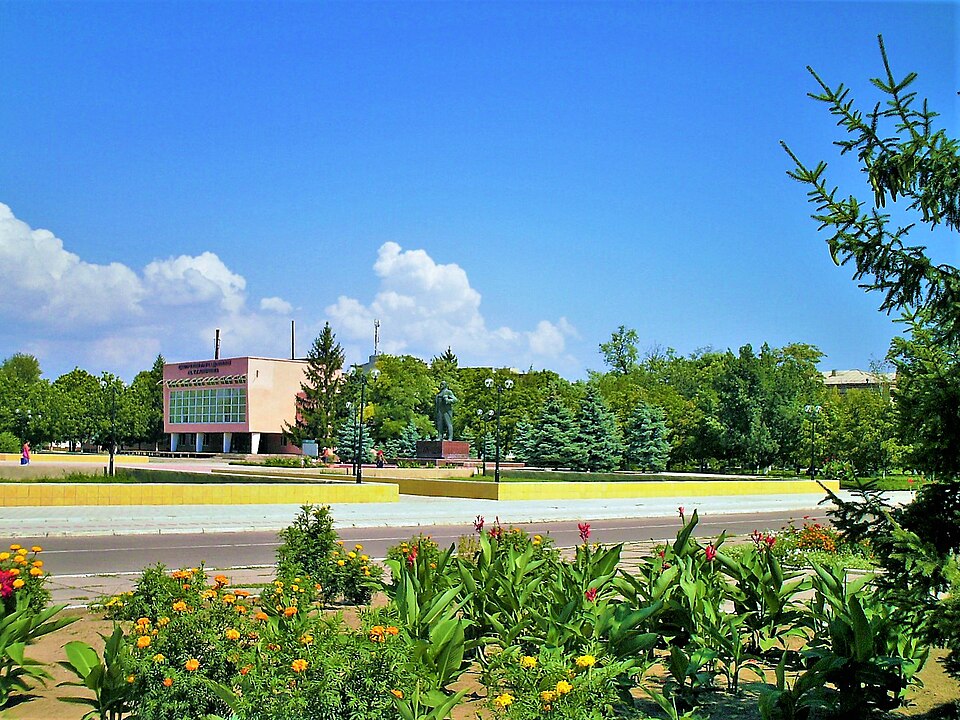
Russia and Ukraine have introduced a temporary, localised ceasefire around the Russian-occupied town of Oleshky in southern Ukraine to facilitate humanitarian assistance and
evacuations. However, fighting has continued elsewhere, with fresh Russian strikes hitting Kyiv and reports of casualties from attacks on both sides of the border.
The agreement, announced on Tuesday, is intended to allow essential supplies, including food and medicine, to reach residents of Oleshky, where shortages have become increasingly severe. It is also expected to create conditions for civilians to leave the embattled town.
Dmytro Lubinets, Ukraine’s parliamentary commissioner for human rights and head of the country’s negotiating team, confirmed that Kyiv was observing the agreed arrangements. In a statement published on Facebook, he said Ukraine was fulfilling its commitments under the ceasefire.
Russia’s Defence Ministry separately announced on Telegram that shelling in the direction of Kherson would be halted from 4 a.m. Moscow time, or 0100 GMT, to facilitate preparations for the humanitarian operation. Oleshky is situated on the eastern bank of the Dnipro River, directly opposite Kherson, which remains under Ukrainian control.
Lubinets said the arrangement had been coordinated with US First Lady Melania Trump and Russia’s human rights commissioner, Yana Lantratova.
Kyiv hit by further strikes as ceasefire remains limited
Despite the local truce, the Ukrainian capital came under renewed attack on Tuesday. City officials reported strikes affecting the Southern Bridge and metro infrastructure, forcing traffic to be suspended in the affected areas. A Reuters witness also reported hearing explosions.
The latest incidents followed a Russian missile attack on Kyiv that began on Monday evening. At least one person was killed and 15 others injured, including students living in a dormitory, according to reports. Further attacks were also reported in Kharkiv and Pavlohrad, where people were killed and wounded.
Russia’s Defence Ministry said its forces had struck transport infrastructure in Kyiv, a logistics facility in the Kharkiv region and industrial sites and cargo vessels elsewhere that Moscow claimed were being used for military purposes.
The violence was not confined to Ukrainian territory. In the western Russian city of Bryansk, near the Ukrainian border, a drone attack reportedly killed one man and injured six people. Separately, a drone struck a bus in the Russian-controlled part of Ukraine’s southeastern Zaporizhzhia region, killing one person and injuring 30, according to local officials.
Reuters said it could not independently verify the reports. Both Moscow and Kyiv deny deliberately targeting civilians.
Oleshky remains under Russian occupation
The humanitarian arrangement concerns a town that Russian forces captured during the opening days of the full-scale invasion in February 2022. Oleshky has remained under Russian control since then, while Ukrainian forces hold Kherson on the opposite side of the river.
The town’s strategic position and proximity to the front line have made it particularly vulnerable to the consequences of the war. The reported shortages of basic supplies have added to the urgency of efforts to deliver assistance and organise civilian evacuations.
The limited ceasefire comes amid renewed diplomatic activity led by the United States, which is seeking to broker an agreement to end the conflict. US envoys have held discussions with representatives of both Russia and Ukraine in recent days as efforts to advance negotiations continue.
Ukrainian President Volodymyr Zelenskyy said on Friday that negotiators from Ukraine, Russia and the United States had agreed to hold technical-level discussions in Abu Dhabi during the first half of November.
The proposed meeting is expected to provide another opportunity to explore possible steps towards a broader settlement. However, continued attacks across Ukraine and Russia underline the difficulties facing the diplomatic process.
For now, the Oleshky arrangement represents a narrowly focused humanitarian measure rather than a wider suspension of hostilities. Its effectiveness will depend on whether both sides continue to respect the agreed restrictions and whether aid deliveries and civilian evacuations can proceed safely while fighting persists elsewhere. Photo by ru:user:Gottinight, Wikimedia commons.