The Trump administration has yet to decide whether to impose new tariffs on refined copper, as officials weigh the benefits of boosting U.S. mining against the risk of higher costs for
manufacturers and consumers.
Two people familiar with the discussions said affordability concerns are complicating the decision, particularly as President Donald Trump and Republicans prepare for November’s midterm elections.
Copper prices have already reached record highs as traders build U.S. inventories ahead of possible new duties. The White House said no final decision has been made, although the Commerce Department has submitted its assessment of the copper market.
The administration has been considering tariffs as part of a broader effort to rebuild domestic manufacturing and reduce America's reliance on foreign supplies of critical minerals.
Copper is essential to construction, automobiles, electronics, power infrastructure and defence. Demand is also expected to rise sharply as investment in artificial intelligence and other advanced technologies expands.
The United States imports roughly half of its copper requirements and has only two operational copper smelters, owned by Freeport-McMoRan and Rio Tinto. Since 2015, refined copper imports have increased 16-fold while domestic production has fallen about 20%, according to U.S. Geological Survey data.
Commerce Secretary Howard Lutnick was previously asked to recommend whether Washington should impose a 15% copper tariff from January 2027, rising to 30% in 2028.
The policy presents a difficult trade-off. Higher tariffs could improve the economics of American mines, smelters and refineries, but they could also increase costs for manufacturers and feed inflation.
The uncertainty is already affecting global copper flows, with suppliers reluctant to return metal to international markets while U.S. tariff policy remains unresolved.
Trump has separately backed major domestic projects including Resolution Copper in Arizona and Twin Metals in Minnesota, while restricting exports of electronic waste containing recoverable critical minerals.
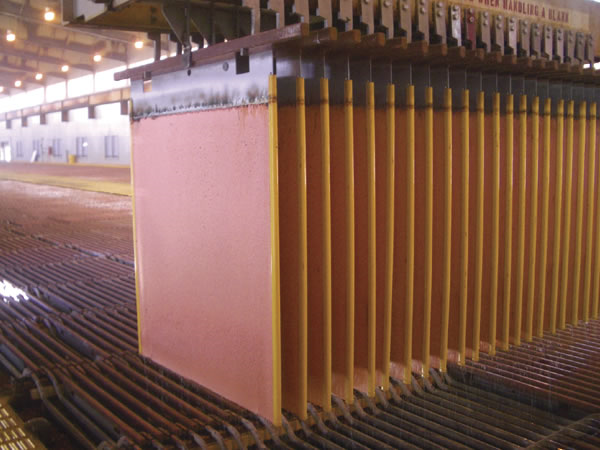
The copper debate therefore highlights a broader challenge for Trump's economic strategy: how to encourage American industrial production without making the goods produced in America more expensive. Photo by Xstrata Technology, Wikimedia commons.