
Germany is preparing a sweeping expansion of its security capabilities to counter suspected Russian hybrid warfare, including drone attacks, cyber intrusions and other forms of sabotage,
according to a report by Bild am Sonntag.
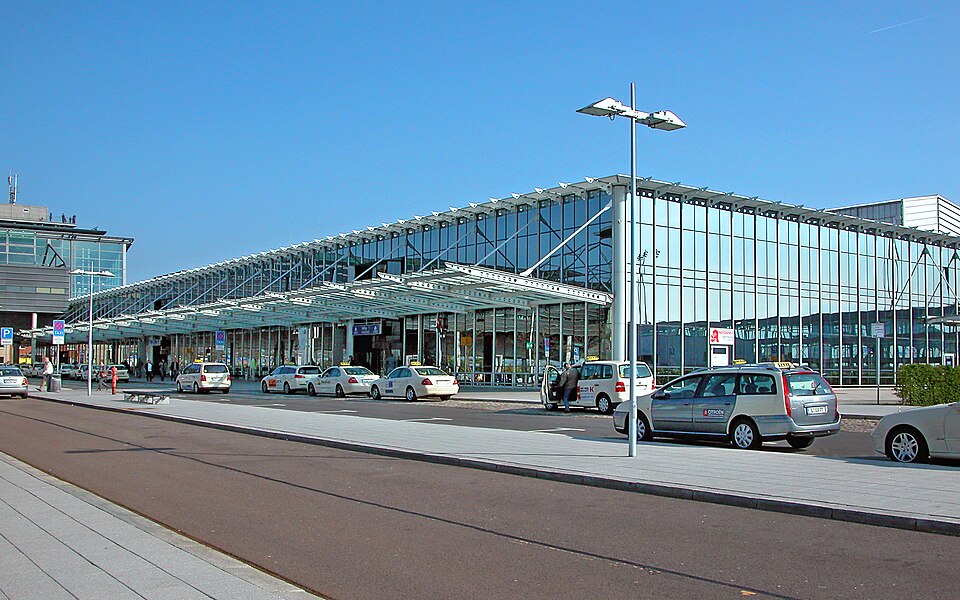
The proposed measures follow a drone incident at Leipzig/Halle Airport last month that raised fresh concerns in Berlin about vulnerabilities around critical infrastructure and transport networks.
Interior Minister Alexander Dobrindt told the newspaper that hostile hybrid operations had become an increasingly routine security challenge for Germany, while insisting that the country had the means to strengthen its defences.
“Hybrid attacks will increase, but we can defend and protect ourselves,” Dobrindt was quoted as saying.
Under the reported plans, Germany would significantly expand the ability of police units to respond to drones. Mobile counter-drone teams capable of being deployed rapidly would be positioned in major cities, with a particular focus on protecting airports, other transport infrastructure and government facilities.
The government is also considering giving operators of critical infrastructure greater authority to actively respond to threatening drones rather than simply detecting and tracking them. The powers could cover companies in strategically important sectors, including electricity providers and defence manufacturers.
A further element of the proposed strategy would be the creation of a nationwide digital security network described in the report as a “cyberdome”. The system would use interconnected sensors to identify and help counter attempts to penetrate or disrupt computer networks.
Berlin is also looking at a broader role for artificial intelligence in security operations. AI-enabled systems, biometric facial recognition and expanded video surveillance could be deployed at locations such as railway stations to help authorities identify people suspected of preparing acts of sabotage.
The measures reflect growing concern across Europe over what governments describe as hybrid threats linked to Russia. These include cyberattacks, interference with critical infrastructure, covert operations and the use of drones to disrupt sensitive sites.
Moscow has repeatedly rejected accusations that it conducts sabotage operations in Western Europe. Russia has also denied any involvement in the Leipzig/Halle airport incident and has criticised what it describes as anti-Russian measures by European governments.
The reported German package would mark a significant expansion of domestic security capabilities, combining counter-drone technology, cyber defence, surveillance and artificial intelligence into a broader national strategy aimed at protecting critical infrastructure. Photo by Jörg Blobelt, Wikimedia commons.