The Republican Party is facing a period of political uncertainty following its defeat in the US midterm elections, which has raised fundamental questions about the future direction of the
conservative movement and its leadership beyond Donald Trump. As Republicans begin assessing the reasons for their electoral losses, attention is increasingly turning to Vice President J.D. Vance, who enjoys Trump's political favour and is emerging as one of the strongest potential candidates to lead the party into a new political era.
The election results have exposed growing challenges for the Republicans, particularly concerning economic affordability, foreign policy and the declining popularity of the current administration. Losing control of Congress has intensified discussions about whether the party can continue relying on Trump's political formula or whether it needs a new approach to appeal to a broader electorate. In this context, Vance appears particularly well positioned: he maintains close ties with the president while gradually developing a political identity of his own.
The 42-year-old vice president has already begun signalling that he may be preparing for a future beyond the current administration. According to a Reuters review of his recent speeches, Vance increasingly focused on issues associated with his own political priorities rather than simply defending Trump's record. Economic nationalism, restraint in foreign policy and public safety have become central themes of his public appearances.
This adjustment appears deliberate. Vance and his advisers reportedly believe that these issues have considerable electoral potential and offer an opportunity to distinguish the vice president from the political difficulties currently facing the White House. Although these principles are closely associated with Trump's MAGA movement, Vance has increasingly positioned himself as their principal advocate.
The most significant indication of this emerging political strategy came after the Republican election defeat, when Vance published an unusually direct assessment of the results on social media. He identified the war with Iran as one of the factors contributing to the Republicans' poor performance and called for a swift end to the conflict. He also urged his party to concentrate on the cost of living, reconsider aspects of American foreign policy and reassess Washington's relationship with Israel.
His remarks were particularly notable because Trump has continued to defend the military campaign against Iran, despite acknowledging that rising fuel prices associated with the conflict contributed to the Republican losses. Vance's intervention therefore brought into the open a degree of disagreement within the Republican leadership over the direction of American foreign policy.
Nevertheless, the vice president's position should not necessarily be interpreted as an open break with Trump. According to individuals familiar with communications between the White House and Vance, his post was not intended as a direct challenge to the president, and senior administration officials were aware of the initiative. Donald Trump Jr., the president's eldest son, also publicly supported Vance's comments, reinforcing the impression that the vice president retains considerable influence within the Trump political circle.
For Vance, the challenge is to preserve this relationship while demonstrating that he can offer something beyond the existing administration. Republican strategists increasingly view him as a potential standard-bearer for the conservative movement after Trump. His position as vice president gives him a national platform and the opportunity to shape discussions about the party's future priorities.
However, the road to a possible 2028 presidential nomination will not be straightforward. Vance has not announced whether he intends to run, and Trump has yet to endorse a successor. Moreover, other prominent Republicans, including Senator Ted Cruz, Florida Governor Ron DeSantis and Secretary of State Marco Rubio, may also seek to influence the party's future direction.
The Democrats, meanwhile, are likely to make the relationship between Vance and Trump a central issue in the next presidential campaign. The vice president will face the difficult task of maintaining the support of Trump's loyal electoral coalition while convincing independent and moderate voters that he represents a distinct political alternative. This balancing act could become one of the defining challenges of his political career.
There are also questions about whether Vance's own campaign strategy has proved effective. Republicans suffered defeats in several states where he personally campaigned, and some of the political messaging he supported attracted criticism. Consequently, the vice president will need to demonstrate that his political instincts can translate into electoral success rather than simply generating attention within conservative circles.
Nevertheless, the midterm defeat may ultimately provide Vance with an opportunity. As Republicans reconsider their priorities, he has begun presenting himself as a politician capable of preserving the ideological foundations of Trump's movement while adapting its message to changing political circumstances.
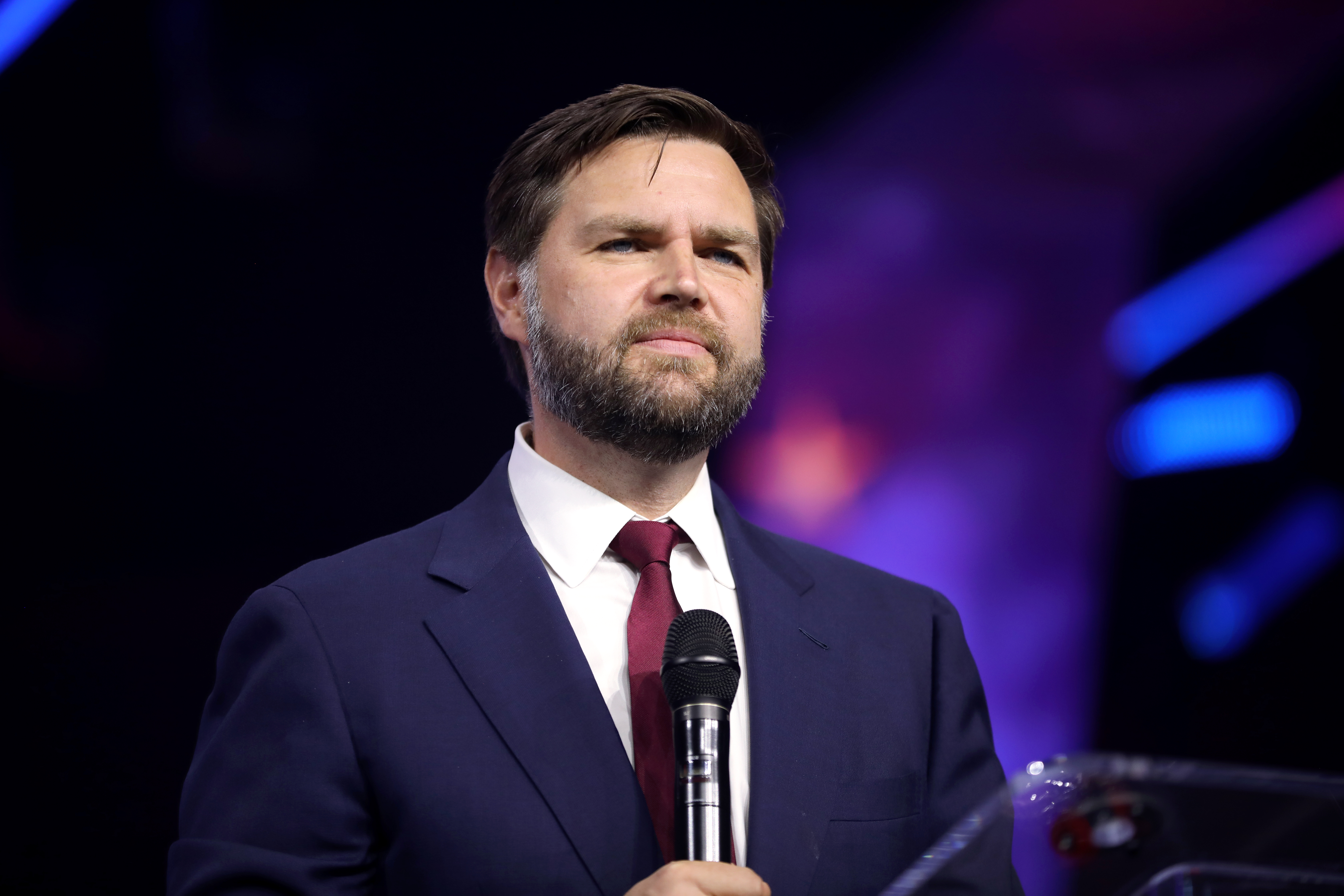
The central question facing the Republican Party is no longer simply how to recover from its latest electoral setback, but who will define American conservatism in the years ahead. Donald Trump remains the dominant figure in the movement, but the discussion about his eventual successor has already begun. With the president's support, a prominent position in the administration and an increasingly recognisable political programme, J.D. Vance appears to be one of the strongest contenders to become the Republican Party's next leader. Photo by Gage Skidmore from Surprise, AZ, United States of America, Wikimedia commons.