A new wave of industrial action is affecting transport networks across continental Europe, with workers in several countries taking strike action over employment conditions, wages and
labour-related disputes. The growing number of walkouts is creating additional pressure on governments and transport operators, while raising concerns about the reliability of public transport services.
London now appears set to join this wider pattern of industrial unrest. The Rail, Maritime and Transport Workers' Union (RMT) has announced eight days of strikes by London Underground drivers between late November 2026 and February 2027, threatening significant disruption to the British capital's transport system during the busy winter period.
According to the union, the first 24-hour strike will begin on 26 November, with further walkouts scheduled for 17 and 19 December, 4 and 6 January, and 17, 23 and 25 February. The announcement comes amid an ongoing disagreement between the union and Transport for London (TfL) over proposed changes to drivers' working arrangements.
At the centre of the dispute is a proposal to introduce a voluntary four-day working week for Underground drivers. While TfL presents the initiative as an opportunity to improve working arrangements and make the service more efficient, the RMT argues that the proposed changes could undermine existing employment protections.
The union claims that drivers could be required to spend more time operating trains, accept longer and less predictable shifts, and surrender certain agreements negotiated over previous years. It has also warned that the restructuring could potentially pave the way for hundreds of job cuts.
RMT General Secretary Eddie Dempsey has called on London Underground management to withdraw the proposals and negotiate an alternative agreement. The union insists that it is not opposed to a genuine four-day working week but will resist any arrangements that it believes could result in deteriorating working conditions or reduced employment protections.
However, the position of the unions is not unanimous. The other major drivers' union, ASLEF, has supported the proposed four-day working arrangement, arguing that it could provide drivers with additional time off. According to its representatives, the proposal could give employees approximately 35 additional days off annually, while drivers wishing to retain a five-day working week would be able to do so.
The potential consequences of the dispute extend beyond the workforce itself. London's Underground network serves approximately three to four million passengers every day, making it one of the most important components of the capital's transport infrastructure. Prolonged industrial action could therefore affect commuters, tourists and businesses, particularly during the Christmas shopping period and the beginning of the New Year.
The announcement also comes against the background of previous industrial disputes on the London Underground, which caused considerable disruption earlier in 2026. Business representatives have expressed concern that further walkouts could damage commercial activity and complicate travel arrangements during one of the busiest periods of the year.
The latest developments illustrate how disagreements over working conditions and employment reforms continue to put pressure on transport systems across Europe. For London, the challenge will be to find a compromise between modernising public transport operations, maintaining service reliability and protecting the interests of employees.
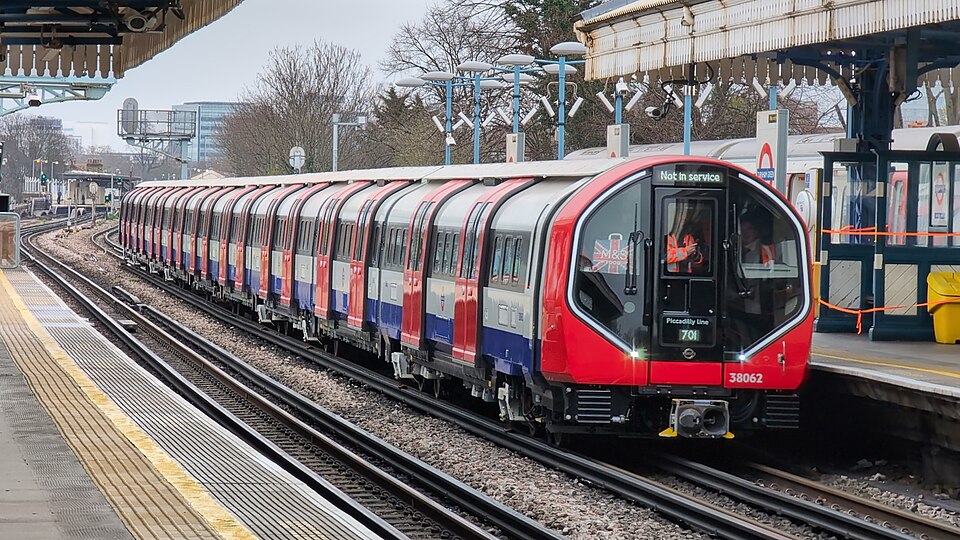
Whether negotiations can prevent the announced strikes remains uncertain. However, the decision by the RMT to schedule eight separate days of industrial action suggests that the dispute is far from resolved. Photo by Fortek67, Wikimedia commons.