The memory of those who fought and sacrificed their lives defending Britain's freedom and independence remains an essential part of the country's national identity. Remembrance
Sunday, one of the UK's most significant annual commemorations, provides an opportunity for the nation to honour fallen servicemen and women, recognise the contribution of the Armed Forces and reflect on the price of peace and freedom.
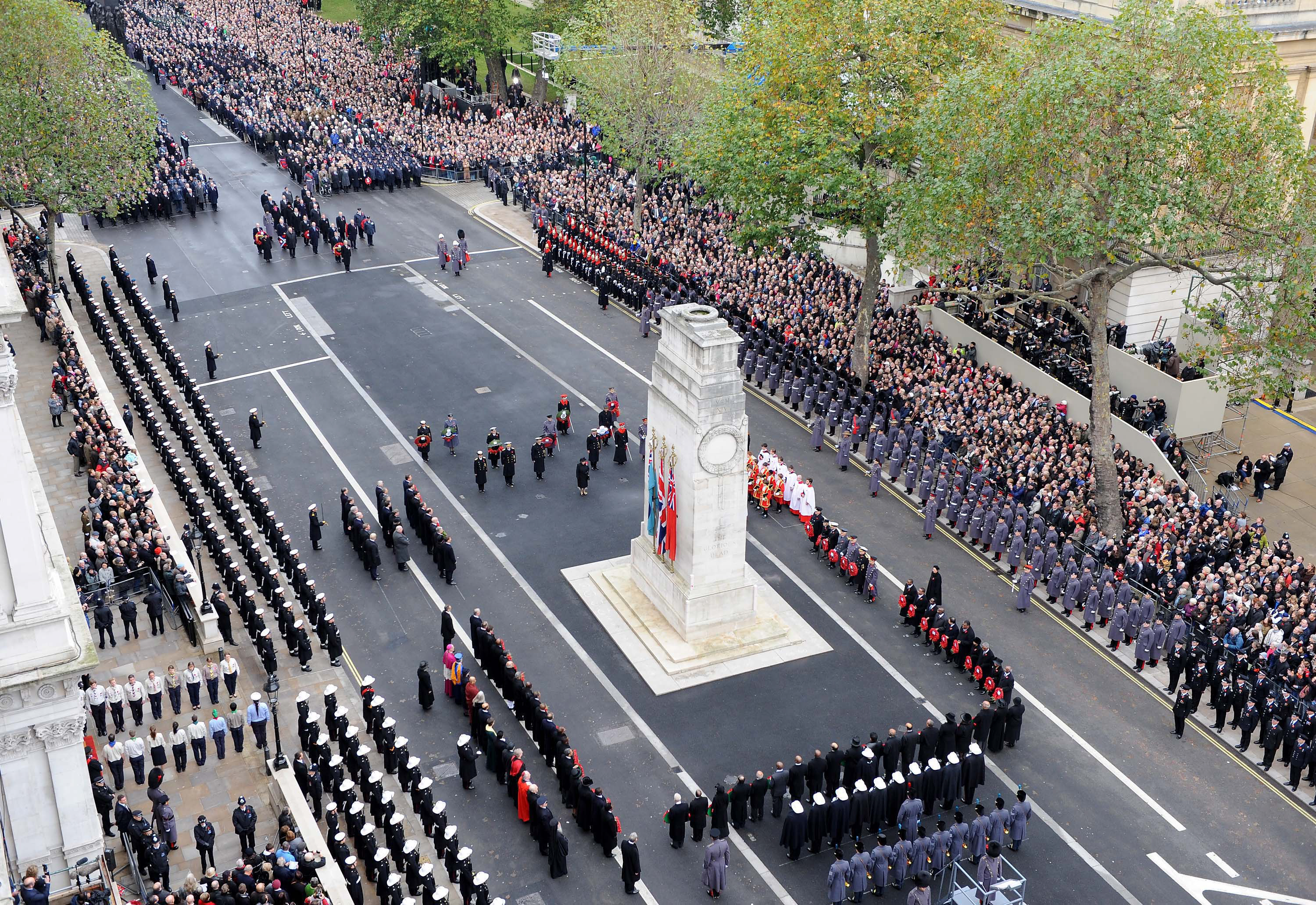
This year, the traditional observance is expected to be particularly significant, with a large-scale programme of commemorative events in central London. Around 10,000 veterans will participate in the Royal British Legion's March Past the Cenotaph, making this year's gathering one of the major occasions for remembering Britain's military history and the generations who served the country.
His Majesty King Charles III will lead the nation in the traditional two-minute silence at the National Service of Remembrance at the Cenotaph in Whitehall. Members of the Royal Family, Prime Minister Andy Burnham, senior politicians and representatives of different faith communities will join the King in laying wreaths and commemorating those who died in the First World War and subsequent conflicts involving British and Commonwealth forces.
The scale and diversity of this year's March Past reflect the enduring importance of remembrance across generations. More than 300 Armed Forces and civilian organisations will be represented. Participants will include bereaved children, military cadets and some of the last surviving Second World War veterans. The youngest marcher will be just seven years old, while the oldest participants will be over 100. Some veterans will travel from as far away as Canada and Australia to take part.
Approximately 10,000 members of the public are also expected to gather along Whitehall to witness the procession and observe the national silence.
Prime Minister Andy Burnham emphasised that Remembrance Sunday is not simply an occasion to look back at historical events but also an opportunity to recognise the values of courage, selflessness and service that continue to protect British society.
He said the country owed an enormous debt of gratitude to those who had sacrificed their lives and to members of the Armed Forces who continue to serve. He also highlighted the importance of recognising the military families whose lives are shaped by the demands and sacrifices of service.
Culture Secretary Lisa Nandy stressed the responsibility to ensure that younger generations understand the significance of Britain's military history. With a generation growing up for whom major wars are increasingly distant historical events, she argued that preserving the memory of those who served is particularly important.
She noted that the sacrifices made during the two World Wars helped secure decades of peace and created the foundations for international friendship and cooperation. Remembrance, she said, must therefore remain an integral part of the country's national story.
Defence Secretary Wes Streeting also underlined the personal and national importance of the occasion, recalling the military medals of his grandfather and great-grandfather. He described supporting veterans and military families as a moral responsibility, emphasising that gratitude must be accompanied by practical assistance for those who have served.
The Chief of the Defence Staff, Air Chief Marshal Sir Richard Knighton, added that remembrance remains deeply personal for the Armed Forces community, particularly for those who have lost colleagues in military operations. He stressed that the spirit of service demonstrated by previous generations continues to motivate British military personnel today.
This year's commemorations also place particular emphasis on veterans of more recent conflicts, including Bosnia, the Iraq War and the first Gulf War. The 15th anniversary of the end of the Iraq War, marked earlier this year, has provided an additional opportunity to reflect on the experiences of those who served and the long-term consequences of military operations for veterans and their families.
Among those taking part in the March Past will be RAF veteran Steve Hooper, who served as a mechanical transport driver during the Iraq War. He will march alongside members of the Invictus Games Alumni group. Hooper has spoken about the psychological trauma he experienced after returning from Iraq, including sleep difficulties and flashbacks, and credited the Royal British Legion and the Invictus Games with helping him rebuild his life.
His participation highlights an important dimension of Remembrance Sunday: the consequences of conflict do not end when military operations conclude. Veterans and their families can continue to experience the effects of war long after returning home.
The Royal British Legion has encouraged the public to use the occasion to remember not only those who died in combat but also those who continue to serve, provide humanitarian assistance and respond to emergencies. Its Director General, Mark Atkinson, emphasised that the contribution of military personnel and their families deserves recognition throughout the year.
The commemorations will also take place against the background of Britain's continuing international military commitments. Approximately 6,500 UK Armed Forces personnel will remain deployed on operations and at overseas bases during Remembrance Sunday. Their duties include supporting NATO allies in Eastern Europe, maintaining the UK's continuous at-sea nuclear deterrent and conducting operations around the world to deter aggression and protect British national interests.
For those unable to attend the ceremony in London or local remembrance services, the National Service of Remembrance at the Cenotaph will be broadcast live by the BBC, ITV and Sky News.
Ultimately, Remembrance Sunday remains much more than a traditional ceremony. It is an expression of national gratitude, a reminder of the human cost of war and an opportunity to reaffirm the values of freedom, solidarity and responsibility. The participation of thousands of veterans, representatives of the Royal Family, political leaders and members of the public demonstrates that Britain's military past continues to occupy an important place in contemporary society.
This year's expanded gathering will once again underline a central message of remembrance: the sacrifices of previous generations must never be forgotten, while those who serve today and the families who stand behind them deserve lasting recognition and support. Photo: POA(Phot) Mez Merrill/MOD, Wikimedia commons.