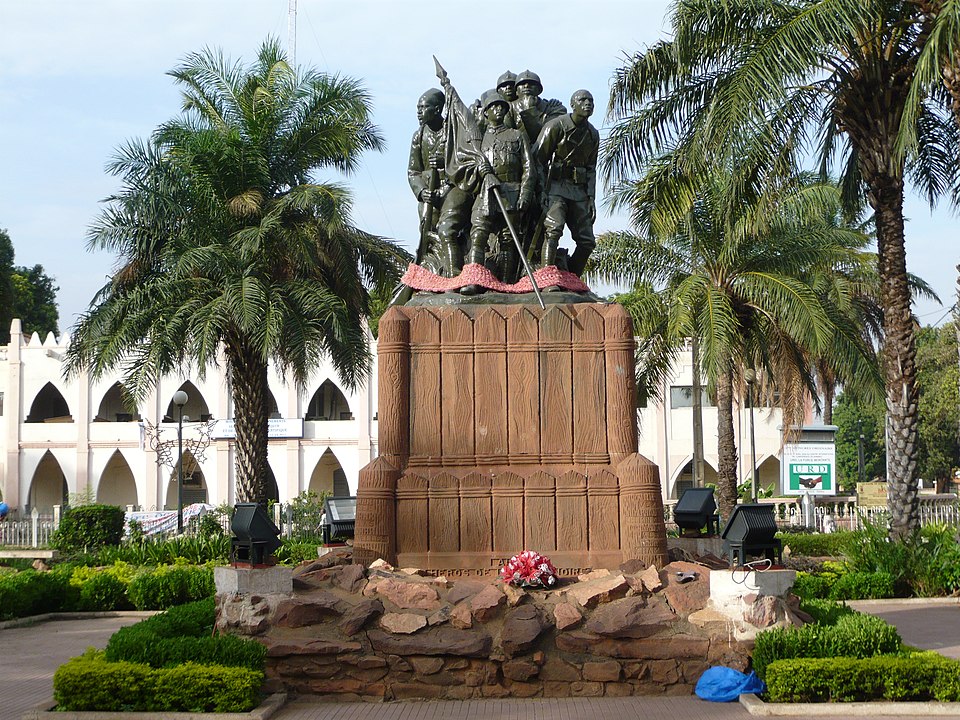
A wave of coordinated attacks in Mali on April 25 has underscored the growing strength and geographic reach of militant groups operating across West Africa. Fighters linked to al-Qaeda,
alongside separatist Tuareg rebels, carried out near-simultaneous strikes that exposed the vulnerability of the country’s military-led government.
The assaults highlighted an increasingly complex security landscape, where armed groups with differing ideologies and objectives are able to operate in parallel—and at times, overlap in their campaigns. Analysts say this convergence is making it harder for authorities to contain the violence.
More than a decade after international forces first intervened in Mali in 2013, the threat has not only persisted but spread. Despite efforts involving French, American, United Nations, and more recently Russian support, militant factions have steadily expanded their influence beyond Mali’s borders.
Insurgents have entrenched themselves in neighboring Niger and Burkina Faso, while also strengthening ties with Islamist groups in northern Nigeria. This network now spans an estimated 3,000 kilometers, stretching from western Mali near Senegal, across Nigeria, and into Chad.
The widening reach of these groups signals a shift from localized insurgencies to a more interconnected regional threat—one that continues to challenge both national governments and international security efforts. Photo by Rgaudin, Wikimedia commons.