The United Kingdom has raised its national terrorism threat level from “substantial” to “severe,” following a stabbing attack targeting Jewish victims in north London. The move signals that an
attack is considered highly likely in the coming months and reflects what officials describe as a broader escalation in extremist threats.
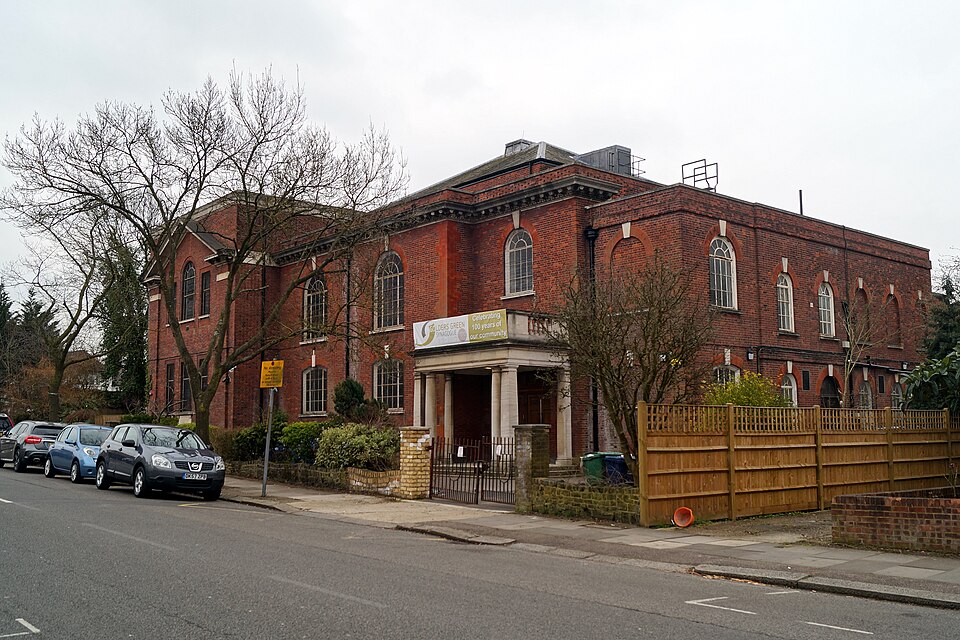
The decision, made independently by the Joint Terrorism Analysis Centre, comes a day after two Jewish men were stabbed in the Golders Green area. Authorities emphasized that the change in threat level was based on a combination of recent intelligence and a sustained rise in security risks, rather than the single incident alone.
Prime Minister Keir Starmer said the attack had intensified fears within Britain’s Jewish community, describing a climate in which many feel unsafe expressing their identity or practicing their religion openly.
“People are scared—to go to synagogue, to attend university, to send their children to school, or even to say they are Jewish,” Starmer said in a televised address. He pledged increased police presence in affected areas, tougher action against antisemitism, and new legislation to counter threats linked to foreign states.
Security officials say the UK faces a complex and evolving threat landscape. Counter-terrorism policing chief Laurence Taylor warned of heightened risks to Jewish and Israeli individuals and institutions, alongside concerns over hostile activity tied to international actors.
Home Secretary, Shabana Mahmood, said: “Yesterday’s abhorrent, antisemitic attack was a vile act of terrorism. My thoughts today remain with the victims, and with the whole Jewish community at a time of deep disquiet and fear. My deepest thanks go to the volunteers and emergency services, a number of whom I met today.
Their actions saved lives and they are, and forever will be, heroes. Today, the national threat level has increased to “severe”, which means a terrorist attack is considered highly likely. I know this will be a source of concern to many, particularly amongst our Jewish community, who have suffered so much.
The Government has today announced a significant increase in investment to protect our Jewish communities, with record funding for policing and security at synagogues, schools and community centres. And we will do everything in our power to rid society of the evil of antisemitism.
As the threat level rises, I urge everyone to be vigilant as they go about their daily lives, and report any concerns they have to the police.
And I can assure everyone that our world-class security services and the police are working day and night to keep our country safe”.
The suspect in the Golders Green attack, a 45-year-old British national, reportedly had a history of violent offenses and mental health issues. Police confirmed he had previously been referred to a government counter-radicalisation programme.
The government also announced plans to fast-track legislation enabling authorities to prosecute individuals acting on behalf of foreign states in the same way as spies. Additional measures include expanding powers to shut down organizations accused of promoting extremism and targeting individuals spreading hate speech.
Tensions have also been exacerbated by ongoing pro-Palestinian demonstrations across the UK, which have drawn criticism from some Jewish groups who say such protests have contributed to a rise in antisemitic incidents. Starmer condemned slogans perceived as inciting violence, calling them “extreme racism” and warning that they should be subject to legal consequences.
Recent months have seen a series of attacks and plots targeting Jewish communities, contributing to what officials describe as one of the most serious national security challenges in recent years. Photo by Erfurth, Wikimedia commons.