The Mayor of London, Sadiq Khan, has stepped in with a crucial £4.66 million funding package to ensure the Notting Hill Carnival goes ahead this August, as the world-famous event celebrates
its 60th anniversary.
The emergency funding comes on top of £946,300 already pledged by City Hall and is aimed at helping organisers implement enhanced safety and crowd-control measures following an independent review.
Safety concerns drive urgent funding boost
As one of the largest street festivals in the world, Notting Hill Carnival attracts millions of attendees every year during the August Bank Holiday weekend. Its continued growth has raised concerns about overcrowding, prompting organisers to commission a comprehensive safety review in 2024.
The review—supported by City Hall, the Metropolitan Police, and local councils in Kensington & Chelsea and Westminster—identified the need for significant upgrades. Initial safety improvements were introduced last year, but further measures are now required.
The newly announced funding will go toward expanded crowd management strategies, including increased barriers, enhanced stewarding, and improved event planning to ensure public safety.
Economic powerhouse for London
Beyond its cultural significance, the carnival is a major economic driver. The event generates nearly £400 million for London’s economy, drawing visitors from across the UK and around the globe to west London’s streets.
With limited time to secure alternative funding, the Mayor’s intervention ensures that the 2026 edition will proceed without disruption, while also supporting organisers in developing long-term financial sustainability.
A celebration rooted in history
The Notting Hill Carnival has deep historical roots dating back to the late 1950s and early 1960s. It emerged as a response to racial tensions in London, particularly following the Notting Hill riots.
The first indoor Caribbean-style carnival was organized in 1959 by Trinidadian activist Claudia Jones as a way to celebrate Caribbean culture and promote unity within London’s migrant communities.
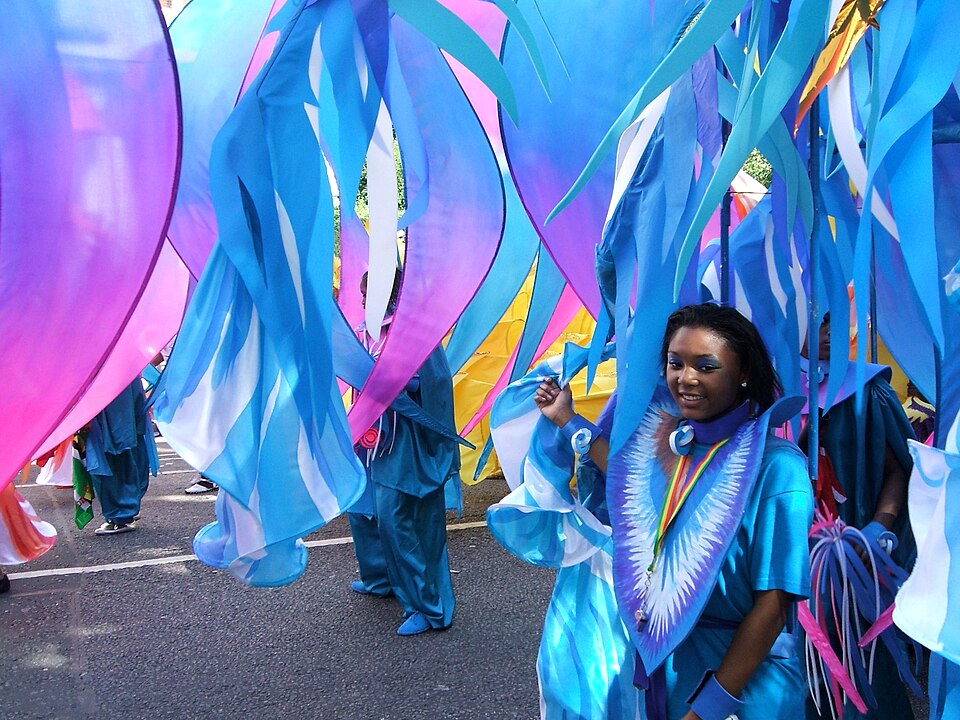
By the mid-1960s, the celebration moved onto the streets of Notting Hill, evolving into the vibrant outdoor festival known today. Over the decades, it has grown into a global symbol of multiculturalism, featuring elaborate costumes, steel bands, sound systems, and Caribbean cuisine.
Looking ahead
While the Mayor’s funding resolves immediate concerns, it also highlights ongoing challenges in balancing the carnival’s scale with safety and financial sustainability. Organisers are now working to secure future revenue streams to reduce reliance on public funds.
As London prepares to celebrate six decades of this iconic event, the 2026 Notting Hill Carnival is set to be both a milestone moment and a test of how one of the world’s largest festivals adapts to modern demands. Photo by Dominic Alves, Wikimedia commons.