Britain is witnessing a sharp rise in solar energy adoption, as households and policymakers push forward with a large-scale transition to cleaner, domestically produced power. The surge comes
against the backdrop of global instability, including the recent war in Iran, which has heightened concerns over reliance on fossil fuel imports.
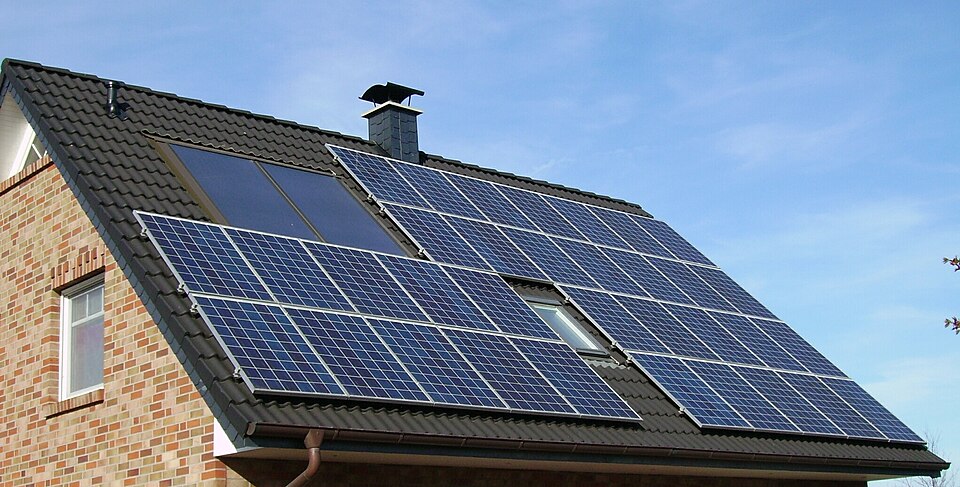
According to newly released government figures, more than 27,000 solar installations were completed in March 2026 — the highest monthly total in over a decade. The growth has been largely driven by rooftop systems, with nearly two-thirds of new installations fitted on residential properties.
This milestone has pushed the UK past a significant threshold: over two million solar installations are now operational nationwide, spanning both large-scale solar farms and individual homes. Over the past year alone, solar capacity has grown by 11.7%, adding 2.3 gigawatts of renewable electricity to the national grid.
The expansion reflects a broader government strategy to shield consumers from volatile global energy markets while cutting emissions. By increasing domestic energy generation, officials aim to reduce exposure to fluctuating gas prices and improve long-term energy resilience.
A series of policy measures has helped accelerate deployment. These include approval of major infrastructure projects such as the Springwell Solar Farm — set to become the UK’s largest — alongside initiatives to make solar more accessible to households. Among them is the planned rollout of plug-in solar panels, designed as low-cost, easy-to-install systems suitable for balconies and small outdoor spaces.
In a further push, new housing regulations are expected to require solar panels as standard on homes built in England. Meanwhile, public sector investment continues to expand, with additional funding allocated to support solar installations in schools, colleges, and social housing.
Electricity generation records are already reflecting the shift. Earlier this month, solar output on the national grid exceeded 15 gigawatts for the first time, underscoring the rapid pace of adoption.
Energy Secretary Ed Miliband described the figures as evidence of a “clean energy mission in action,” highlighting the role of renewables in stabilising energy costs and reducing dependence on fossil fuels.
Beyond immediate gains, the UK’s clean energy policy is increasingly focused on long-term transformation. Key elements include scaling up offshore wind, modernising grid infrastructure, and expanding energy storage capacity to support intermittent renewables like solar. The government has also committed to decarbonising the power sector by 2035, positioning solar energy as a central pillar of that strategy.
As investment continues and technology becomes more affordable, solar power is expected to play an even greater role in the UK’s energy mix — not only helping households cut bills, but also reshaping how the country generates and consumes electricity. Photo by Pujanak, Wikimedia commons.