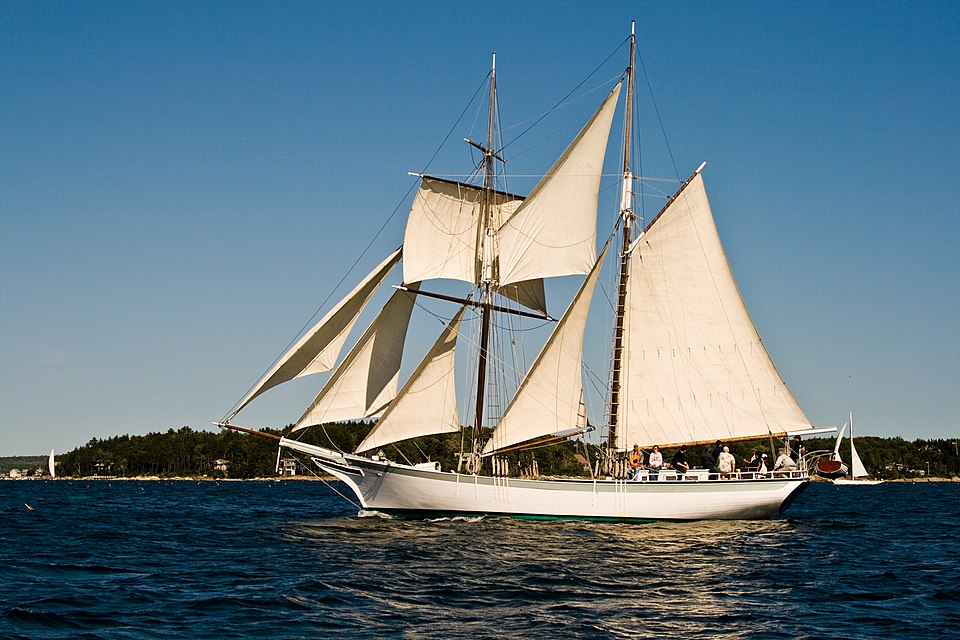
A quiet shift is underway on the waters between England and France, where a small British startup is reimagining how people travel across one of Europe’s busiest routes. As pressure mounts
to reduce emissions from transport, SailLink is offering a slower—but far greener—alternative: crossing the English Channel under sail.
Operating a 17-metre catamaran named *Echoes*, the company carries up to 12 passengers between Dover and Boulogne-sur-Mer. Unlike conventional ferries or short-haul flights, the vessel depends largely on natural forces—wind and tidal currents—to make the journey, which typically takes four to five hours depending on weather conditions.
Now entering its second full season, SailLink is gaining attention from environmentally conscious travellers. Founder and skipper Andrew Simons believes the concept could reshape short-distance maritime travel. “We’re using the forces that are already there,” he said, referring to wind and tides as the vessel’s primary energy sources.
While the catamaran occasionally uses its engines when leaving harbour or during calm conditions, the company reports that nearly 70% of its crossings in the first season were powered entirely by wind. That’s a stark contrast to traditional ferries and flights, which remain among the most carbon-intensive forms of passenger transport.
The service, launched commercially in April 2025 after years of testing, carried 465 passengers and 135 bicycles in its debut season. Demand appears to be rising quickly—this year’s expanded schedule saw hundreds of bookings within days of reopening.
Tickets are priced at around £85 one way, with discounts available for younger travellers. Cyclists can also bring their bikes onboard for an additional fee, making the service attractive for eco-tourism and slow travel enthusiasts.
SailLink also breaks from convention in how it operates. Instead of large industrial ports, passengers depart from town-centre marinas, and passport checks are conducted onboard. This streamlined approach allows for a more relaxed experience, free from long queues and crowded terminals.
For many passengers, the journey is as much about the experience as the destination. Some even get the chance to participate in sailing during the crossing. “It’s so stress-free. There’s no checking in or queues—you just arrive, hop aboard and sail,” said traveller Douglas Atfield. “You’re part of nature.”
English Channel context
The English Channel is one of the world’s busiest shipping lanes, linking the UK with mainland Europe. Each year, millions of passengers cross via ferries, the Channel Tunnel, and short-haul flights. With growing climate concerns, alternatives like sail-powered travel are drawing interest as part of a broader shift toward sustainable mobility in the region. Photo by Andrew Malone, Wikimedia commons.