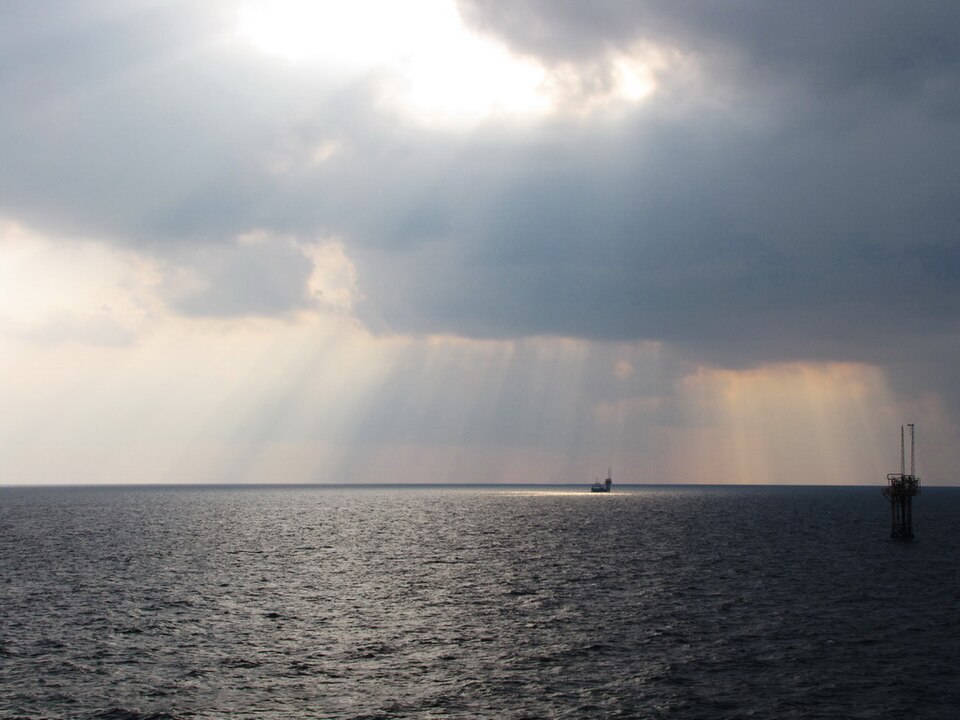
Despite a fragile ceasefire between the United States and Iran, one of the world’s most critical maritime chokepoints remains eerily quiet. The Strait of Hormuz—through which roughly a
quarter of global oil supplies normally flows—has yet to recover from weeks of escalating tensions that brought the two countries to the brink of open conflict.
Shipping traffic through the narrow waterway has slowed to a trickle. Where once around 140 vessels crossed daily, only a handful are now attempting the journey. Industry observers point to a climate of fear rather than confirmed threats: even unverified reports of naval mines have been enough to deter operators from entering the strait.
Iran is widely believed to possess thousands of sea mines, and experts note that deploying only a fraction of that arsenal could effectively shut down key shipping lanes. The uncertainty alone has proven sufficient to disrupt global energy logistics.
Adding to the tension, Iran’s Islamic Revolutionary Guard Corps has reportedly advised ships to reroute closer to Iranian territorial waters near Larak Island to avoid suspected hazards. But for many shipping companies—especially those with ties to the United States or Israel—the alternative routes offer little reassurance.
At the same time, Tehran is said to be considering a new transit fee on oil tankers passing through the strait, potentially charging one dollar per barrel. For large-scale shipments, that could translate into millions in additional costs per voyage. Washington has already warned that such a move would breach the terms of the temporary truce, underlining how fragile the current pause in hostilities remains.
A war paused, not resolved
The ceasefire follows weeks of direct and indirect confrontation between Iran and the United States, including strikes on regional infrastructure and heightened military deployments in the Gulf. While both sides agreed to a short-term halt in hostilities, the underlying conflict—rooted in sanctions, regional influence, and security concerns—remains unresolved.
Military analysts caution that the situation resembles a “frozen conflict” rather than a genuine de-escalation. Both sides maintain a significant presence in the region, and any miscalculation—whether at sea or through proxy actors—could quickly reignite hostilities.
Global ripple effects
The economic consequences are already being felt far beyond the Gulf. Energy analysts warn that if the disruption continues, Brent crude prices could surge dramatically, potentially reaching as high as $190 per barrel. Even if a more durable agreement is reached, restoring confidence in shipping routes and stabilising supply chains could take weeks or longer.
Compounding the recent attacks on Saudi Arabia have further strained oil production. Output has been reduced by hundreds of thousands of barrels per day, while damage to key infrastructure—including pipelines designed to bypass the Strait of Hormuz—has limited alternative export routes.
Taken together, the situation highlights the vulnerability of global energy markets to geopolitical shocks. For now, the ceasefire may have halted open confrontation between Iran and the United States—but in the waters of the Gulf, uncertainty continues to rule. Photo by Ali khodabakhsh, Wikimedia commons.