
European leaders have issued stark warnings over Israel’s intensified military campaign in Lebanon, cautioning that continued escalation could unravel fragile diplomatic efforts tied to the
broader Israel–Iran conflict.
The UK’s foreign secretary, Yvette Cooper, described Israel’s latest strikes as “deeply damaging,” urging an immediate halt to hostilities. Speaking to British media, she emphasized the need to expand any ceasefire arrangement to include Lebanon, warning that failure to do so risks destabilizing the entire Middle East.
Israel maintains that its operations targeted more than 100 Hezbollah command centers and military sites in Beirut, framing the campaign as a defensive effort against Iran-backed militant infrastructure.
Cooper also highlighted concerns over maritime security, stressing that free passage through the Strait of Hormuz must be preserved. She called for international cooperation, including support for proposals from the International Maritime Organization, to address disruptions affecting global shipping.
At the same time, Cooper criticized rhetoric from former US President Donald Trump, who warned of catastrophic consequences if the conflict continues. She cautioned that such language risks further inflaming tensions in an already volatile situation.
France echoed similar concerns. Foreign Minister Jean-Noël Barrot condemned Israel’s “massive strikes” and insisted Lebanon must be included in any ceasefire framework. He also placed responsibility on Iran, calling for it to abandon its nuclear ambitions and cease support for regional proxy groups such as Hezbollah, Hamas, and the Houthis.
Barrot underscored that no clear victor is emerging from the conflict and suggested that Iran may be pressured into concessions during upcoming diplomatic talks.
Spain has taken an even firmer stance. Foreign Minister José Manuel Albares accused Israel of violating international law through its airstrikes on Lebanon. Madrid has moved to restrict its airspace to aircraft linked to the conflict and is reopening its embassy in Tehran in a bid to contribute to peace efforts from within Iran.
Meanwhile, Italian Prime Minister Giorgia Meloni warned that the region is nearing “the point of no return.” She stressed that restoring stability in the Strait of Hormuz is critical not only for Italy but for the entire European Union, particularly given the risk of energy market disruptions.
Broader context: The Israel–Iran war
The tensions in Lebanon are closely tied to the wider confrontation between Israel and Iran, which has increasingly shifted from a shadow conflict into more direct confrontation. Israel’s operations—reportedly including campaigns such as “Roaring Lion” and “Epic Fury”—have targeted Iranian-linked assets across the region, while Iran continues to project influence through allied militias.
Key risks in the Israel–Iran war include:
- Regional Spillover: Fighting in Lebanon, Syria, and the Gulf could merge into a broader war.
- Energy Disruption: Any closure or instability in the Strait of Hormuz could impact global oil supplies.
- Proxy Escalation: Groups like Hezbollah may intensify attacks, drawing Israel into multi-front warfare.
- Nuclear Tensions: Western powers remain concerned about Iran’s nuclear program amid weakening diplomatic constraints.
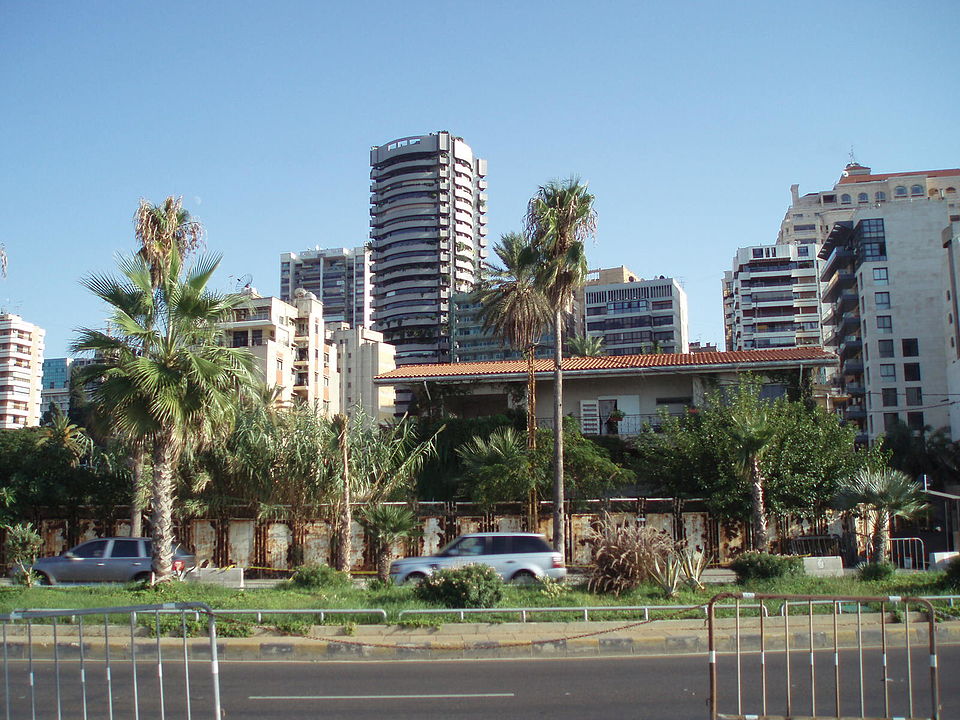
Despite mounting international pressure, a comprehensive ceasefire remains elusive. Diplomats warn that without coordinated agreements involving Israel, Iran, and regional actors, the conflict could escalate into a far more destructive phase. Photo by DAVID HOLT from London, England, Wikimedia commons.