Mayor Sadiq Khan allocates millions to urban greening, flood prevention and tree planting as London faces increasingly severe heatwaves and rainfall
London is stepping up its efforts to tackle the growing effects of climate change, with Mayor Sadiq Khan announcing almost £3.8 million in new funding for community-led environmental projects aimed at making the capital better prepared for extreme weather.
The investment, unveiled following the inconclusive conclusion of COP31, includes £2.6 million for 28 projects under the Mayor’s Green Roots Fund and a further £1.23 million for tree planting and urban resilience initiatives in six London boroughs.
The funding is designed to strengthen the capital’s ability to withstand increasingly unpredictable weather, including hotter and drier summers, heavier rainfall, wetter winters and a greater risk of both flooding and drought. It will also improve biodiversity and expand public access to green and blue spaces.
London has experienced several intense heatwaves and record-breaking temperatures in recent years, highlighting the growing challenges posed by global warming to urban communities. Scientists expect climate change to bring more frequent periods of extreme heat and heavier rainfall, placing additional pressure on infrastructure, public spaces and vulnerable neighbourhoods.
The Mayor’s latest announcement builds on a wider programme of environmental investment. Since taking office, Khan's administration has overseen the planting of a record 640,000 trees across London and the creation of more than 900 hectares of additional green space, equivalent to over 2,000 football pitches. Particular attention has been given to communities with limited access to natural environments.
Community projects to tackle flooding and restore nature
The latest Green Roots Fund allocation will support 28 initiatives across the capital, helping neighbourhoods adapt to changing weather conditions while restoring local ecosystems.
The projects include practical measures such as rain gardens, improved drainage infrastructure, river restoration, wetland creation and initiatives to make schools and public spaces more comfortable during periods of extreme heat.
Among the successful applicants is a project in West Ealing, where new rain gardens and drainage improvements will be introduced across three housing estates to reduce the risk of surface water flooding.
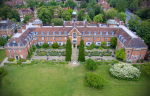
In Richmond, funding will help transform St Stephen's CE Primary School, a Victorian building affected by overheating, into a cooler and more comfortable learning environment. The initiative forms part of a wider programme supporting 70 schools across London through the Green Roots Fund.
Other projects receiving financial support include:
Alexandra Park: £133,051 will fund the development of a substantial reedbed, creating new wetland habitats for nesting birds while helping to absorb excess water and reduce flood risks.
Kingston: £166,845 will support environmental improvements along the Hogsmill River. Plans include planted riverbanks, new gravel beds and improved habitats for wildlife, including water voles. New walking paths will also provide residents with better access to the riverside.
Dollis Brook: A £100,000 grant will support the restoration of a five-kilometre section of the river, helping it return to a more natural condition. The work is expected to slow water flows, reduce flooding risks and improve habitats for local wildlife, potentially allowing water voles to be reintroduced.
Women in Tri UK: A £15,000 grant will help more women, particularly those from under-represented communities, gain access to open-water swimming opportunities.
This represents the third round of Green Roots Fund allocations since the programme was launched in June 2025. The Mayor has now committed more than £9.6 million to 87 community projects across London. Previous initiatives have included efforts to reintroduce white storks in Dagenham and beavers in Enfield.
5,000 new trees planned for heat-vulnerable neighbourhoods
Alongside the Green Roots announcement, the Mayor has confirmed the six boroughs selected to receive £1.23 million through the Tree Equity and Urban Resilience (TE&UR) initiative.
Announced to coincide with National Tree Week, the programme will support the planting of up to 5,000 additional trees in 15 neighbourhoods, alongside measures to improve the condition and health of existing trees.
The selected locations have been identified as particularly vulnerable to extreme heat because of limited tree coverage and a combination of environmental and social disadvantages.
The six participating boroughs and their target neighbourhoods are:
Barking and Dagenham: Eastbury, Thames View and Albion.
Newham: Green Street East, Green Street West and Plashet.
Enfield: Edmonton Green, Upper Edmonton and Lower Edmonton.
Camden: King's Cross.
Hammersmith and Fulham: College Park and Old Oak, and White City.
Merton: Pollards Hill, Longthornton and Graveney.
Trees play an important role in reducing the impact of urban heat, with well-established tree cover capable of lowering street temperatures by up to six degrees during heatwaves. They also help absorb rainwater, reduce flooding, improve air quality, provide habitats for wildlife and make neighbourhoods healthier and more attractive.
However, tree coverage remains unevenly distributed across London. The new initiative aims to address this imbalance by prioritising areas where residents face greater exposure to extreme heat and have fewer natural spaces offering protection.
The programme is being delivered by environmental charity Trees for Cities, working alongside the participating boroughs, the London Tree Officers Association, the Royal Botanic Gardens, Kew, and Shade the UK.
Preparing London for a hotter future
The latest funding forms part of the Mayor's broader strategy to protect London from the consequences of climate change.
It follows the launch in July of Heat Ready London, the capital's first dedicated heat action plan, which sets out measures to help residents, public services and communities prepare for increasingly high temperatures.
By combining urban tree planting, improved drainage, river restoration and greater access to green spaces, City Hall aims to strengthen London's environmental resilience while improving everyday living conditions.
The Mayor's administration argues that investment in nature-based solutions is essential to ensuring that all Londoners, particularly those living in the most heat-exposed and disadvantaged neighbourhoods, are better protected against the growing risks of climate change.
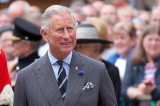
The Mayor of London Sadiq Khan said: “The extreme weather we faced this summer and in previous recent years has shown us exactly how vulnerable London is to the impacts of the climate crisis. We need to build a more climate resilient city to minimise the effect rising temperatures have on our communities.
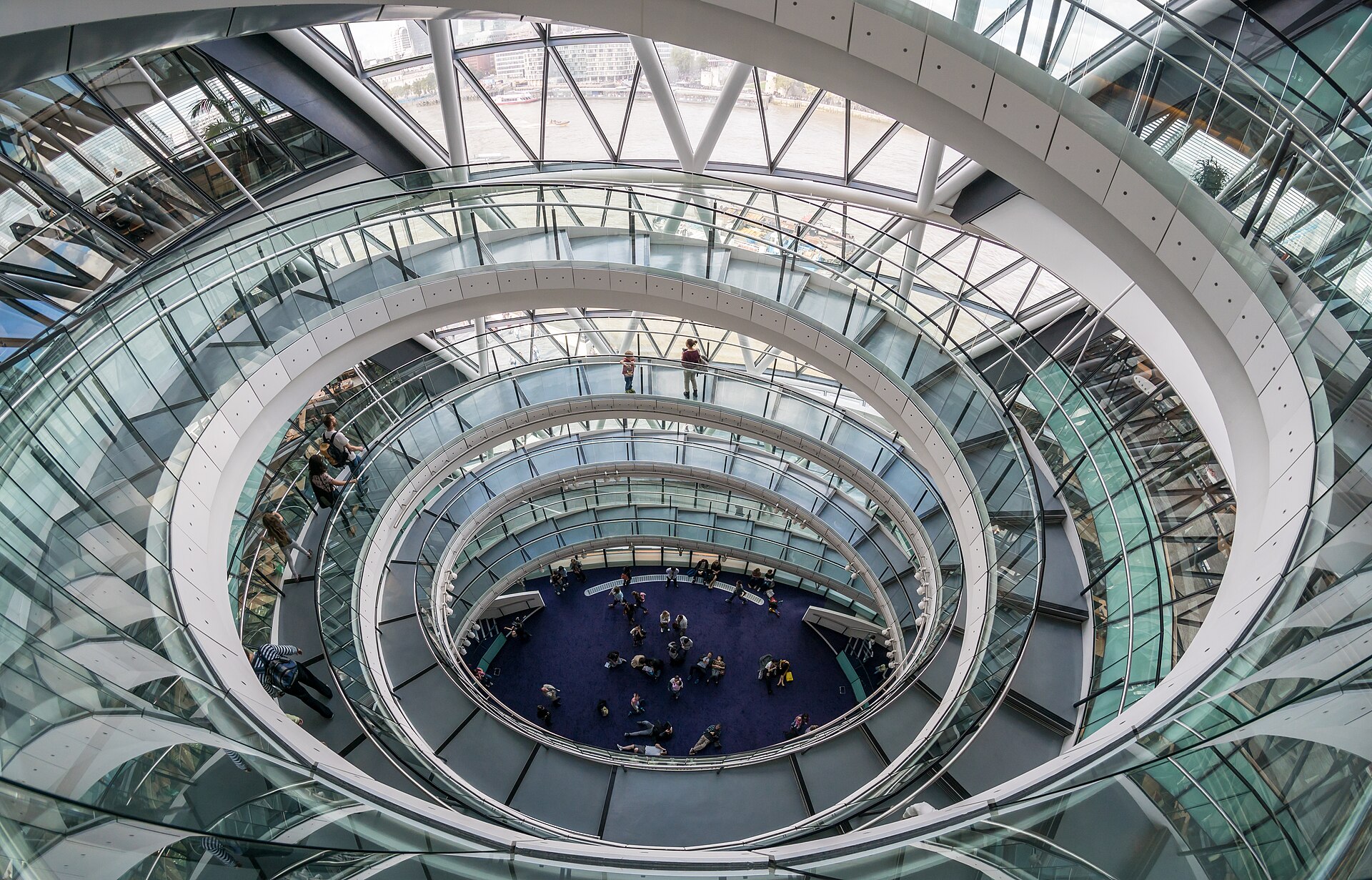
“It’s great to be able to support such a variety of fantastic projects through my Green Roots Fund. Improving our green and blue spaces enables Londoners to benefit from having nature and wildlife on their doorstep, while also supporting our work to build a city that is better prepared for a hotter climate. Working closely with local communities and letting them lead the transformation of their neighbourhoods, is one of the ways we are building a greener and fairer London for everyone.” Photo by © User:Colin / Wikimedia Commons / CC BY-SA-4.0.