The UK government has announced more than £11.2 million in funding for 12 council-led projects aimed at helping vulnerable coastal communities across England prepare for the growing
threat of coastal erosion and the effects of climate change.
The funding will support local authorities in developing innovative ways to monitor coastline deterioration, assess risks to homes and infrastructure, and help residents prepare for situations where traditional coastal defences may no longer be sufficient.
The initiative comes amid growing concerns about the long-term vulnerability of England’s coastline. According to the Environment Agency, England has some of the fastest-eroding coastal areas in Europe. Its latest assessment estimates that approximately 20,000 homes and businesses could be exposed to coastal change by 2105.
The government says early preparation and better long-term planning will be essential to protecting communities, limiting economic disruption and avoiding expensive emergency interventions.
The money is being distributed through the Coastal Adaptation Pilots programme, which will finance projects in areas including Cornwall, Somerset and North Yorkshire. The selected councils will test different approaches to understanding and managing coastal risks, with an emphasis on developing solutions tailored to local conditions.
Among the technologies being introduced are advanced three-dimensional cliff modelling, drone-based surveys and digital monitoring systems designed to identify changes in coastal landscapes before they become serious threats.
North Yorkshire Council will receive £970,000 to improve its ability to detect cliff movement and prepare for potential damage to infrastructure. The authority plans to use drones equipped with Light Detection and Ranging (LiDAR) technology to conduct detailed surveys and identify changes in cliff structures at an earlier stage.
The programme will also examine the vulnerability of roads and utility networks around Filey Flat Cliffs, while a modular coastal access system is being considered at Cayton to address the possible loss of existing routes.
Cornwall Council has been awarded £2.6 million for a broader programme combining community-led planning, natural coastal protection and infrastructure improvements.
Its projects will include monitoring and managing coastal dunes across Cornwall and Devon, including the Isles of Scilly, alongside initiatives involving sediment management, highway adaptation and improved responses to severe storms. Residents will also be encouraged to participate in developing local adaptation plans.
In Somerset, a £290,000 project will focus on West Watchet, where continuing cliff instability has already caused significant disruption. Erosion has forced the closure of the B3191 road, while ground movement presents an existing or potential threat to approximately 20 properties.
Somerset Council intends to use advanced three-dimensional modelling to improve understanding of the cliff's condition and identify future risks. The project will also involve residents, businesses and other local stakeholders in discussions about possible long-term solutions. A publicly accessible digital StoryMap will provide information about the risks and help the community understand the evidence behind future decisions.
Floods Minister Emma Hardy said coastal erosion was among the most difficult consequences of climate change and required a coordinated response from government, councils and local communities.
She stressed that some areas would eventually reach a point where maintaining existing coastal defences was no longer sustainable. In such circumstances, residents would need sufficient time, information and financial assistance to prepare for relocation where necessary.
Environment Agency Director of Flood Risk Strategy and Adaptation Julie Foley said rising sea levels and climate change were increasing the pressure on homes, businesses and essential community facilities.
She said the 12 pilot projects would help local authorities identify available options, take action earlier and share practical experience with other vulnerable coastal areas.
The new funding builds on a separate £18 million programme announced earlier this year for four advanced coastal adaptation projects in East Riding of Yorkshire, East Suffolk, Great Yarmouth and North Norfolk.
Those initiatives are exploring longer-term solutions for households facing the loss of their homes because of coastal erosion. One proposal would provide eligible homeowners with greater financial certainty and assistance to relocate before their properties become unsafe. Local councils would also arrange for the safe demolition of abandoned buildings.
The government emphasises that coastal adaptation is not intended to replace traditional flood and coastal defences. Existing protective infrastructure will continue to be maintained wherever it remains viable, while adaptation measures will help communities prepare for locations where defending the coastline is no longer a realistic long-term option.
The 12 newly selected authorities will now work with residents, the Environment Agency and other delivery partners to develop their proposals. The pilot programme is scheduled to run until March 2029.
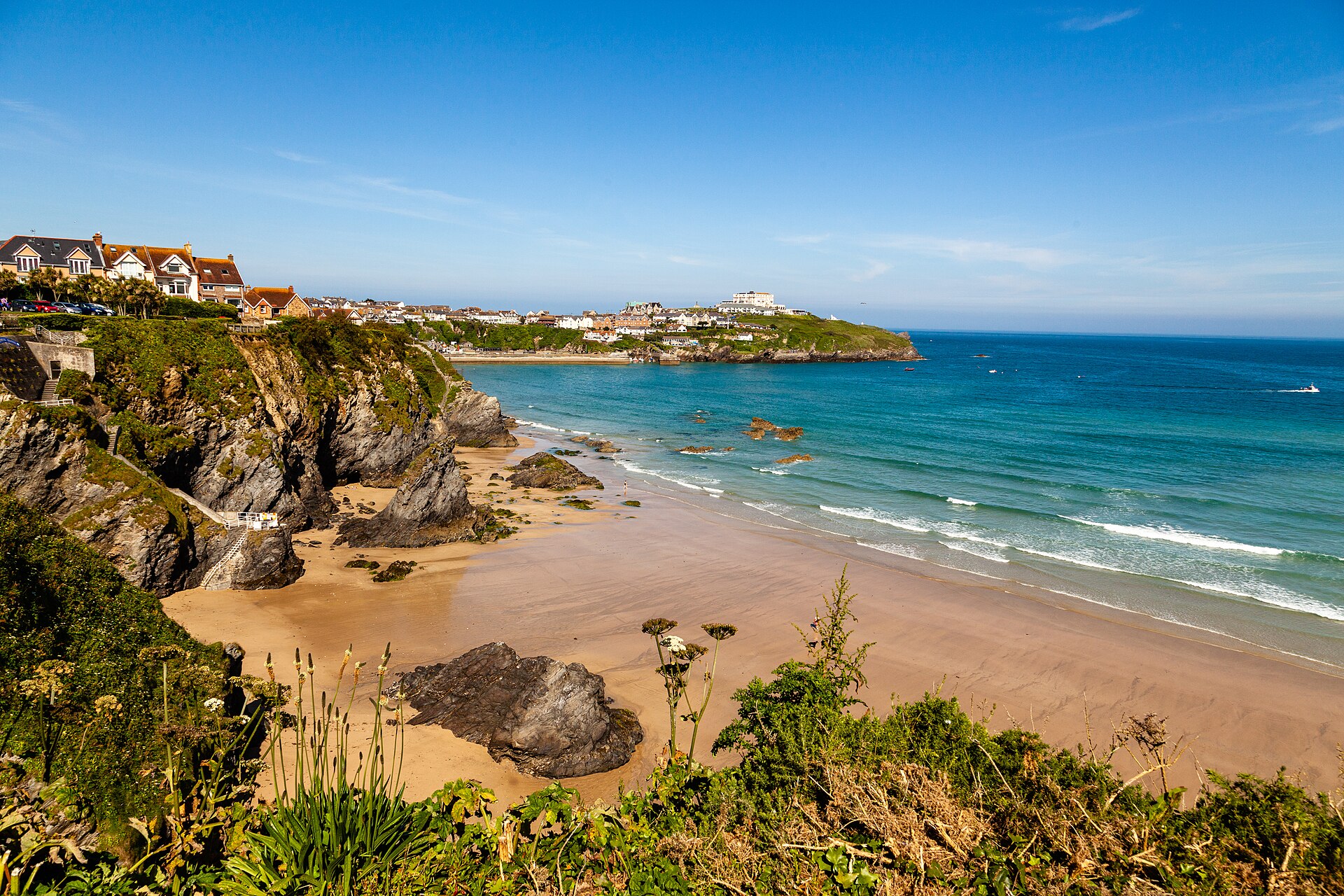
The experience gained will be shared nationally to help other coastal communities develop effective strategies for dealing with erosion, rising sea levels and the wider consequences of climate change. Photo by Otto Domes, Wikimedia commons.