Italy has criticised Ukraine's decision to carry out maritime drone attacks against Russian vessels in Libya, warning that the military campaign risks bringing the Russia-Ukraine war into the
Mediterranean and destabilising North Africa.
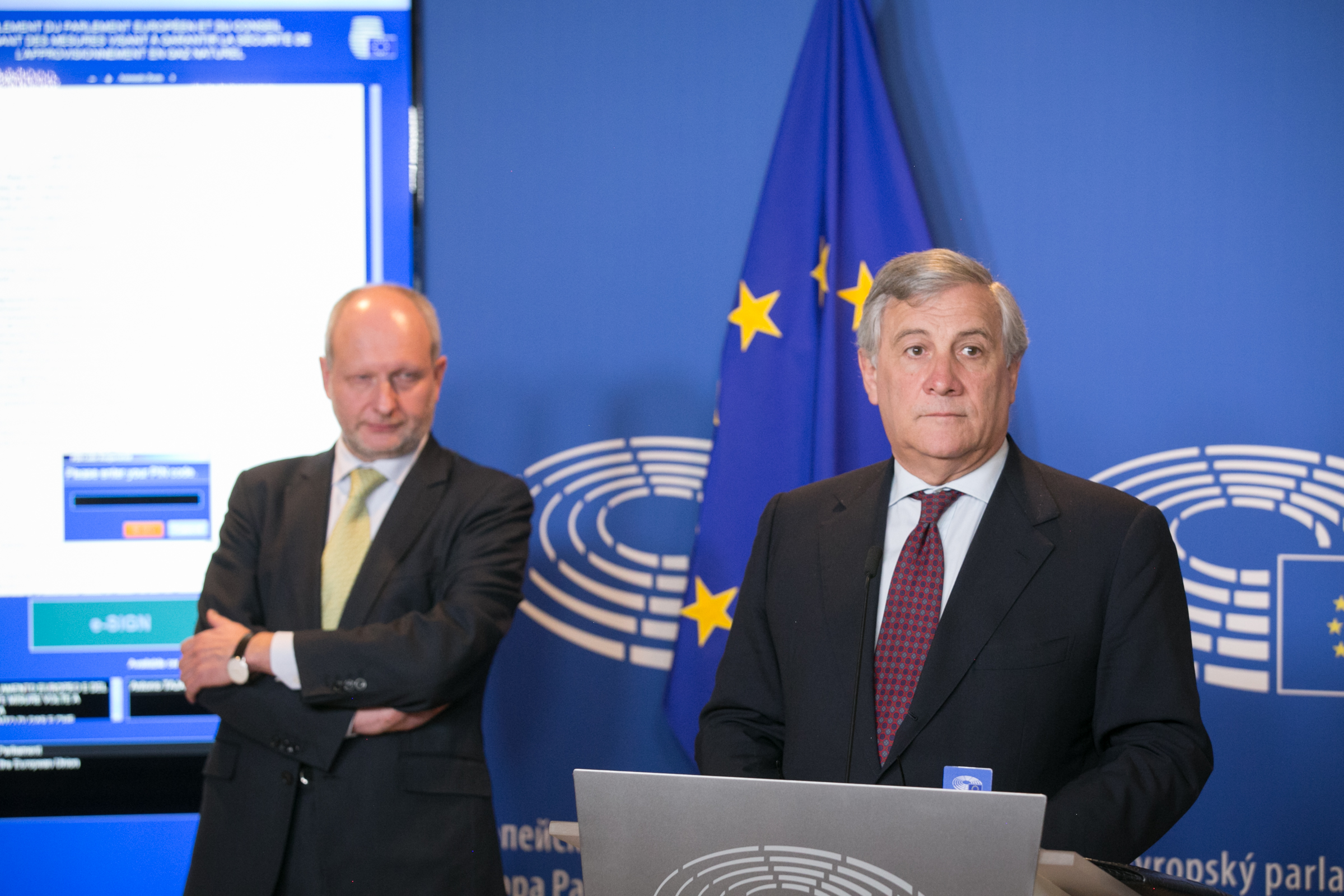
Foreign Minister Antonio Tajani said Rome had not been informed in advance of Kyiv's plans to strike Russian ships in Libyan territorial waters, including inside a port. In an interview with Corriere della Sera published on Wednesday, he described the operation as a violation of Libyan sovereignty and urged Ukraine not to open new fronts in the conflict.
"What happened is worrying. We must prevent the war between Russia and Ukraine from spreading and avoid creating new flashpoints," Tajani said.
He stressed that Libya was particularly important to Italian security because of its geographical proximity, Italian military presence and extensive economic interests in the country.
According to the minister, Italy had absolutely no prior knowledge of Kyiv's intention to conduct military operations in Libyan waters. Tajani subsequently telephoned Ukrainian Foreign Minister Andrii Sybiha to communicate Rome's concerns and reaffirm Italy's commitment to Libya's territorial integrity.
The controversy follows a Ukrainian special operation over the weekend in which maritime drones attacked two Russian vessels near the eastern Libyan port of Benghazi.
Ukraine's Security Service (SBU) confirmed on November 23 that the operation had been conducted jointly with the Ukrainian Defence Forces. The targets were the Russian naval corvette Merkury and the sanctioned cargo vessel MV Angara, which Kyiv accused of transporting military equipment and supporting Russian military logistics.
According to the SBU, seven Ukrainian-made unmanned surface vessels were deployed using a so-called mother ship. The drones reportedly managed to penetrate Russian defences despite attempts to intercept them from the air, sea and land.
The corvette, which entered service in 2023 and was assigned to Russia's Black Sea Fleet, was destroyed. The cargo ship was also struck. Ukrainian officials said both vessels were legitimate military targets because of their contribution to Russia's military supply network.
Kyiv defends operations beyond the Black Sea
Ukraine has rejected accusations that it is deliberately extending the conflict into North Africa.
Foreign Minister Andrii Sybiha argued that the operation was consistent with Article 51 of the United Nations Charter, which recognises the right of states to individual and collective self-defence.
He maintained that Russian military vessels and commercial ships transporting weapons could be legitimate targets regardless of whether they were operating in the Black Sea, the Mediterranean or international waters.
Sybiha also insisted that Ukraine respected Libya's sovereignty and had no intention of harming the country or its population. He argued that Russia was endangering third countries by using civilian infrastructure and commercial shipping to support its military operations.
However, the internationally recognised Government of National Unity in Tripoli condemned the attack, saying Libya would not accept being drawn into the conflict. The country's eastern-based Libyan National Army, associated with military commander Khalifa Haftar, also warned that it would respond to the incident.
Two Libyan military personnel subsequently died from injuries sustained during the attack, further increasing tensions.
Mediterranean increasingly exposed to Ukrainian operations
The Benghazi operation is not the first time Ukrainian forces have targeted Russian-linked shipping in the Mediterranean. Over the past two years, Kyiv has increasingly demonstrated its ability to strike vessels associated with Moscow's military logistics and oil-export networks far beyond the immediate theatre of war.
One of the most significant earlier incidents occurred in December 2025, when Ukrainian aerial drones struck the Russian-linked tanker Qendil in international waters in the eastern Mediterranean.
The vessel, which was sailing towards Russia's Baltic port of Ust-Luga, was reportedly more than 2,000 kilometres from Ukrainian territory. According to an SBU official, the attack caused critical damage and left the tanker unable to continue operating. Ukrainian sources said it was empty at the time, reducing the risk of an environmental disaster.
Ship-tracking information placed the tanker near the island of Crete before the incident, highlighting how Ukrainian operations had reached major international shipping routes in the eastern Mediterranean.
There were also a series of mysterious explosions involving tankers linked to Russian oil transportation during 2025. Several incidents occurred in the Mediterranean, including off the coasts of Turkey, Italy and Libya.
The vessels included the Seajewel, damaged near Italy in February, the Grace Ferrum, which suffered an explosion near Libya, and the Seacharm, affected off the Turkish coast. Another incident involved the tanker Vilamoura near Libya.
Although Ukraine was widely suspected of involvement in some of these incidents, responsibility was not conclusively established in every case. The attacks nevertheless raised concerns about the vulnerability of commercial shipping connected to Russian oil exports and the potential consequences for maritime security in the region.
A 2025 assessment by the Royal United Services Institute (RUSI) estimated that at least 11 Russian shadow-fleet tankers had probably been destroyed or seriously damaged during the first seven months of that year, including four vessels operating in the Mediterranean.
Another development highlighting the growing geographical reach of Ukraine's maritime campaign came on November 22, 2026, when Ukrainian forces attacked the Russian cargo ship Sparta II in the Gulf of Finland. President Volodymyr Zelenskyy confirmed Kyiv's responsibility, saying the vessel was carrying weapons. The ship was subsequently towed towards the Russian port of St Petersburg. Although this incident occurred in the Baltic Sea rather than the Mediterranean, it demonstrated Ukraine's expanding capacity to target Russian military supply routes in international waters.
Italy fears destabilisation of Libya
Rome's reaction reflects concerns extending beyond its diplomatic relationship with Kyiv. Italy has substantial strategic and economic interests in Libya, including energy investments, military cooperation and efforts to manage migration across the central Mediterranean.
The country also maintains naval personnel and other military units in the region, while Italian energy company Eni has significant operations in Libya.
Tajani has repeatedly warned that renewed instability in the North African country could have serious consequences for Italy and the wider European Union. Libya remains politically divided between rival administrations and military forces, with Russia maintaining relationships with actors in the country's east.
The Italian government is particularly concerned that further military incidents could undermine efforts to stabilise Libya and potentially reignite internal conflict.
The far-right League, led by Deputy Prime Minister Matteo Salvini, has also condemned the Ukrainian operation, describing it as unacceptable and warning that it could destabilise the North African country.
The controversy has exposed differences within Prime Minister Giorgia Meloni's governing coalition. While Meloni's Brothers of Italy party has consistently supported Ukraine following Russia's full-scale invasion in February 2022, the League has repeatedly questioned continued military assistance to Kyiv.
Despite the criticism, Tajani insisted that Italy would not abandon its support for Ukraine.
"Italy will remain on Ukraine's side. Ours is a strategic choice," he said, adding that Rome would continue backing Kyiv's sovereignty while working to prevent further escalation.
Italy's Foreign Ministry has also reaffirmed that diplomatic support for Ukraine will continue, but stressed that respect for Libya's sovereignty and efforts to preserve stability in the Mediterranean must remain priorities. Photo by EU2017EE Estonian Presidency, Wikimedia commons.