
The UK Government is seeking to expand educational cooperation with China, as Education Secretary Lucy Powell travels to Beijing for the first UK-China Education Summit in nine years,
aiming to create new opportunities for British universities, colleges, schools and education technology companies.
The two-day summit, scheduled for 24–25 November 2026, will bring together senior government officials and representatives of the education sectors from both countries. The discussions are expected to focus on strengthening institutional partnerships, expanding international education opportunities and identifying areas for future collaboration.
China remains one of the most important international markets for British higher education. Approximately 150,000 Chinese students are currently enrolled at UK universities, generating an estimated £7 billion annually for the British economy.
The relationship extends well beyond student enrolment. More than one million Chinese graduates of UK universities have established an extensive international alumni network, maintaining professional, academic and cultural connections with Britain. At the same time, China's internationally recognised educational institutions offer opportunities for British students, researchers and education companies to develop new partnerships.
The Beijing summit will cover a broad range of educational activities, including university cooperation, technical and vocational training, school education, English-language teaching and the rapidly expanding digital education and education technology sectors.
Powell is expected to hold discussions with Chinese government ministers on the future direction of bilateral educational relations, with an emphasis on turning existing links into practical opportunities for British institutions and businesses.
However, the Government has stressed that expanding cooperation must go hand in hand with protecting Britain's fundamental interests. Academic freedom, freedom of expression and national security will feature prominently in the discussions.
The Education Secretary is expected to make clear that international partnerships must not undermine the independence of British universities or expose sensitive research to inappropriate foreign influence. The Government has also warned against covert attempts to exploit research conducted jointly with UK academic institutions.
British officials maintain that cooperation with China should deliver tangible benefits while ensuring that universities retain full control over their academic activities, research priorities and institutional decisions.
Speaking ahead of the visit, Lucy Powell said that education was among Britain's most valuable international assets and could play a significant role in strengthening the country's economic prospects and global influence.
She argued that expanding the international reach of British education would generate economic benefits while creating lasting relationships between societies. According to Powell, educational engagement also provides an important platform for addressing difficult issues through direct and open dialogue.
The Education Secretary said the Government intended to place education at the centre of its approach to relations with China, using Britain's international reputation to attract opportunities, support economic growth and defend national interests.
A delegation of 49 British representatives from across the education sector will accompany Powell to Beijing. The group includes 18 university leaders and three further education leaders, alongside representatives of schools, examination and awarding organisations, education technology companies, curriculum providers, English-language teaching and assessment organisations, and early-years education providers.
Their participation is intended to strengthen existing institutional relationships and establish new contacts with Chinese counterparts, potentially paving the way for further cooperation, student exchanges and commercial partnerships.
The summit also forms part of the Government's wider International Education Strategy, which aims to position the UK as a preferred global destination and partner for education. British schools, universities, colleges, professional qualifications and vocational training programmes are central to this ambition.
London has set a target of increasing the value of UK education exports to £40 billion annually by 2030. Expanding access to international markets, developing overseas partnerships and attracting students from abroad are expected to contribute to that objective, supporting employment and economic activity across the country.
Beyond its immediate commercial objectives, the Government sees international education as an instrument of long-term diplomatic engagement. Graduates, academic partnerships and institutional exchanges can create enduring links between countries, helping Britain maintain its international influence.
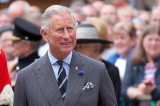
The Beijing meeting therefore represents an attempt to balance two priorities: unlocking the economic and educational potential of cooperation with China while maintaining firm safeguards around academic independence, research security and Britain's national interests. Photo by kenner116, Wikimedia commons.